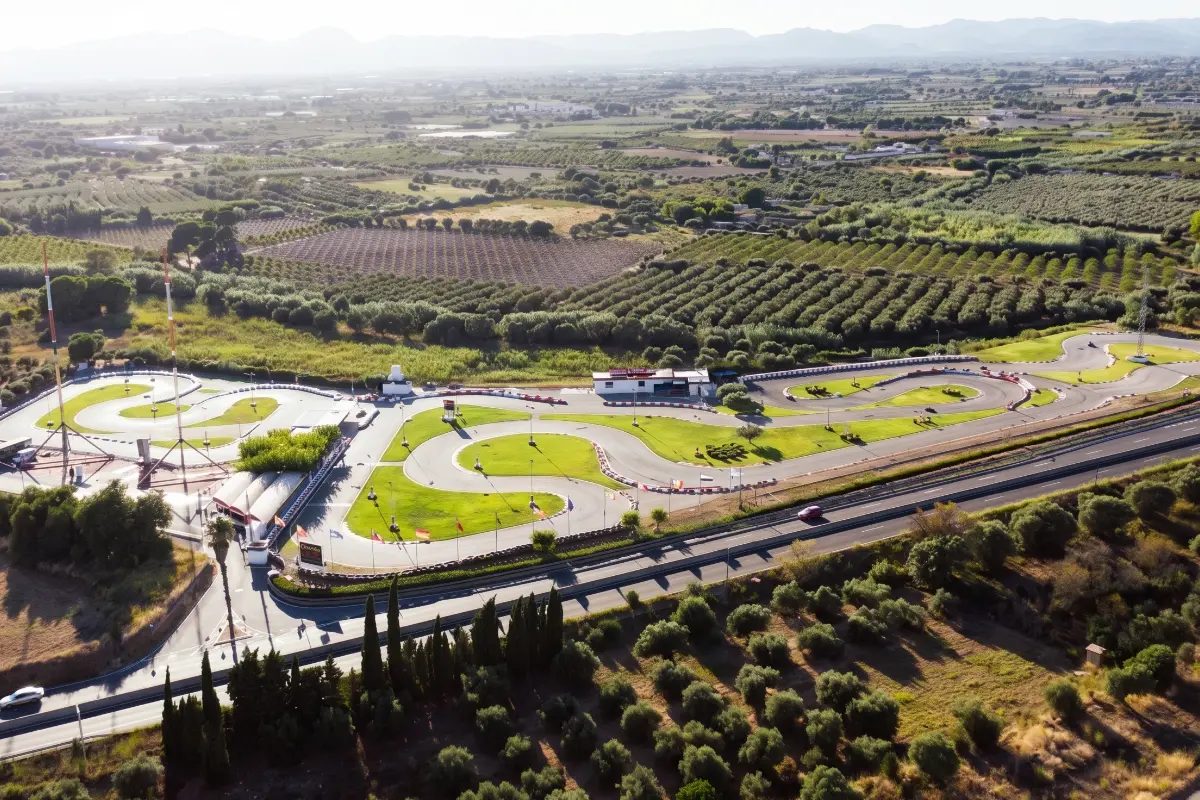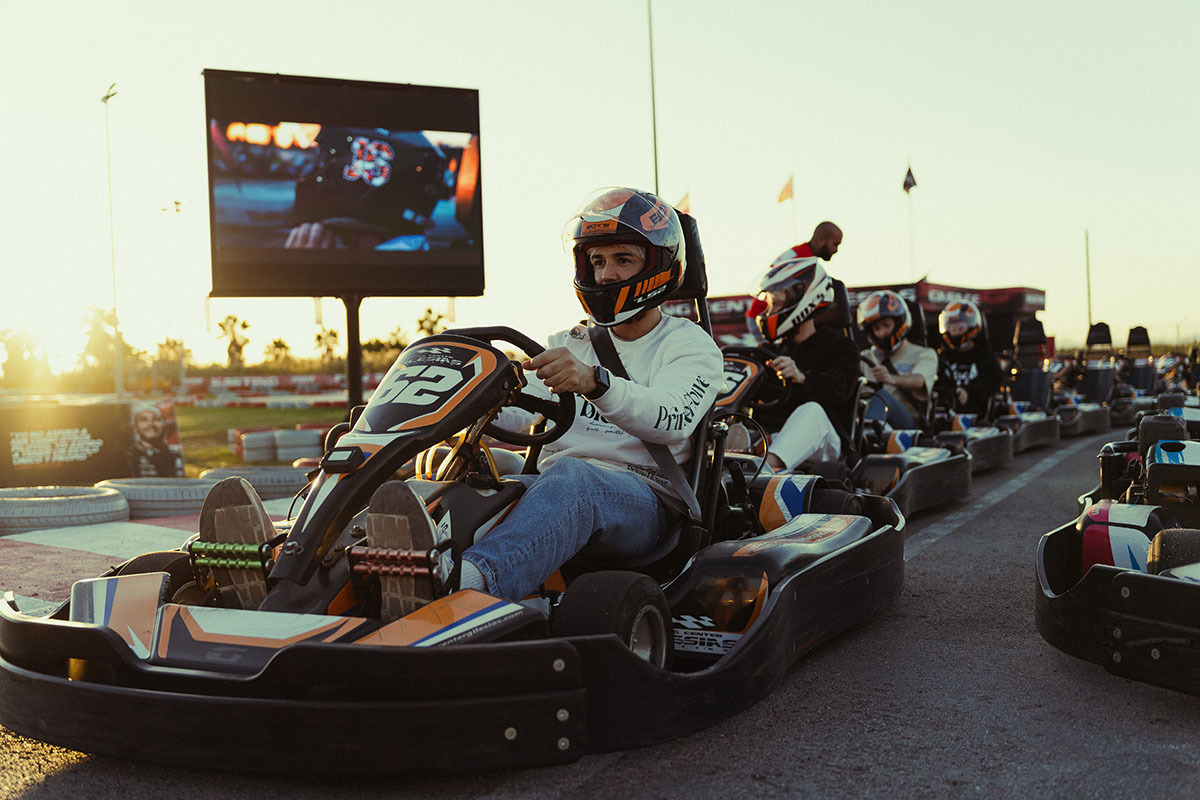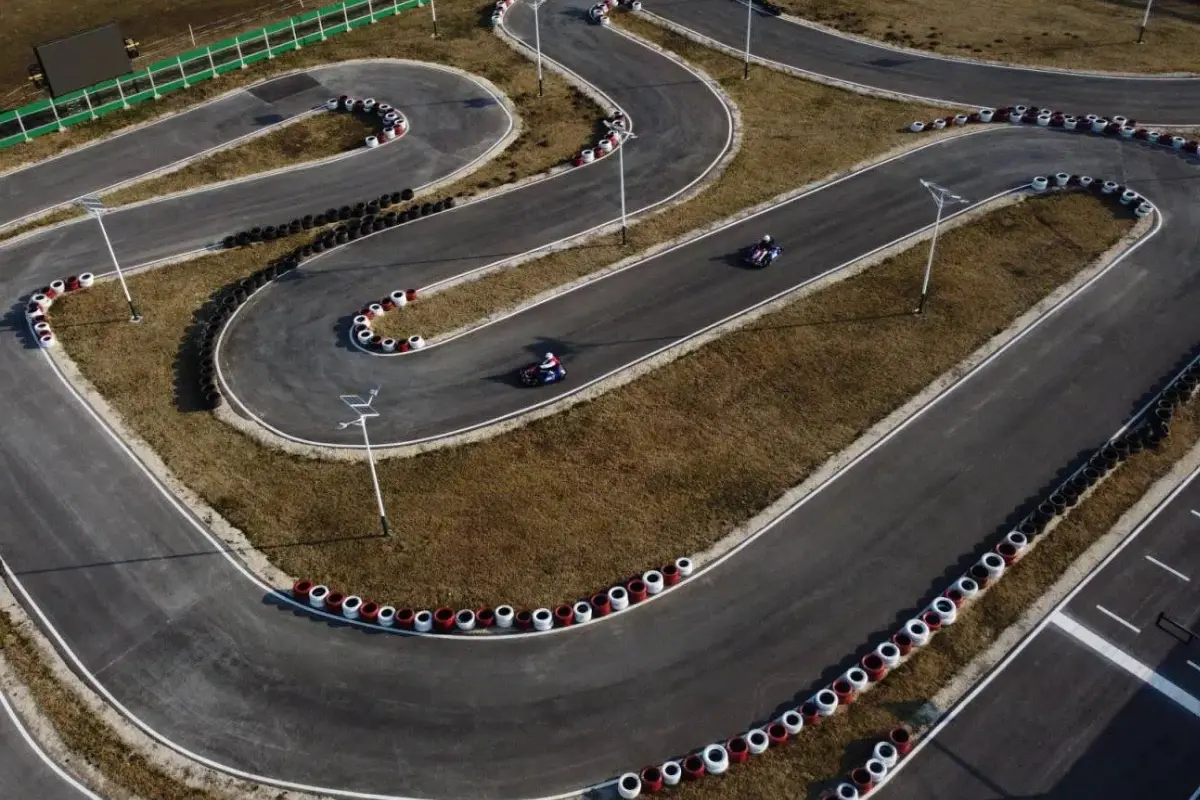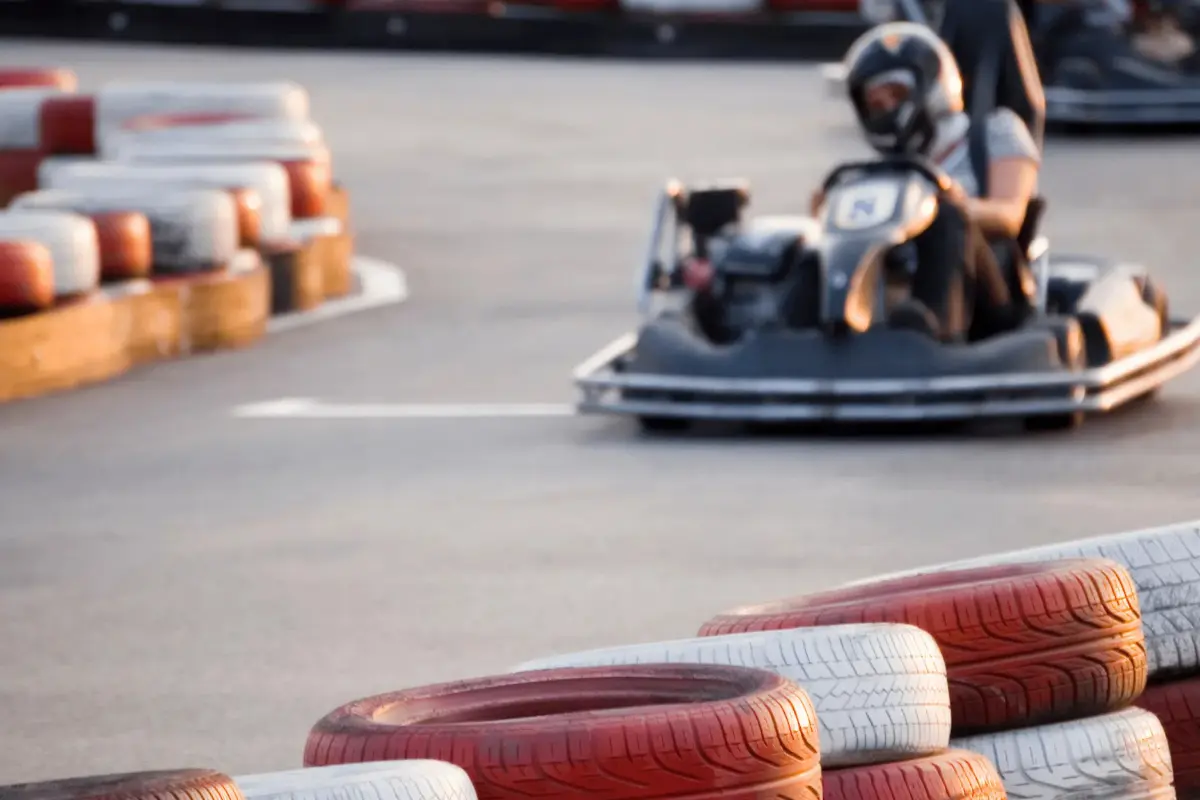
Asphalt temperature is a key factor in kart performance, as it directly influences tire grip, engine wear, and overall vehicle behaviour on the track. In both professional competitions and training, knowing how asphalt temperature varies and how it affects driving can make the difference between a fast lap and a loss in performance.
In this article, we analyze the relationship between asphalt temperature and karting, and how technological solutions such as those from Pixelcom help monitor these factors to optimize circuit performance.
Why is asphalt temperature important in karting?
The track surface changes constantly due to weather conditions and kart traffic. These changes affect traction, tire wear, and engine efficiency.
- Higher temperature = more grip, but more wear: When the asphalt is hot, tires adhere better to the track, but also degrade faster.
- Lower temperature = less grip and more sliding: In cold conditions, tires take longer to reach their optimal temperature, which can cause a loss of traction and slower lap times.
- Influence on tire pressure: Heat expands the air inside the tires, increasing pressure and altering the kart’s behavior.
How does asphalt temperature vary according to weather conditions
Asphalt temperature is not always equal to ambient temperature. Some factors that influence its variation are:
- Time of day: In the morning and evening, asphalt temperature changes significantly, affecting kart performance.
- Type of asphalt: Darker materials absorb more heat, while lighter surfaces reflect part of the solar radiation.
- Shade and wind: A circuit with shaded areas or exposed to gusts of wind may show temperature differences in different sectors.
- Rain and humidity: Wet asphalt cools down more quickly and affects tire grip.
How teams and drivers adjust their strategy based on asphalt temperature
To maximize on-track performance, karting teams adjust different parameters based on asphalt temperature:
- Tire pressure: Modifications are made to compensate for the increase or decrease in temperature and ensure optimal grip.
- Tire compounds: In competitions, the right choice of tire compound depends on the circuit’s thermal conditions.
- Engine tuning and cooling adjustments: At high temperatures, the air-fuel mixture is optimized to prevent overheating.
- Driving strategy: In hot conditions, drivers must manage tire wear by avoiding unnecessary drifts.
How technology helps monitor asphalt temperature in karting
Real-time measurement of asphalt temperature is essential for making strategic decisions during races. Currently, circuits use advanced tools to monitor these variables in real time:
- Track temperature sensors: Allow for precise and real-time measurements of asphalt temperature in different areas of the circuit.
- Thermal cameras and data analysis: Used by professionals to identify areas with significant thermal variations.
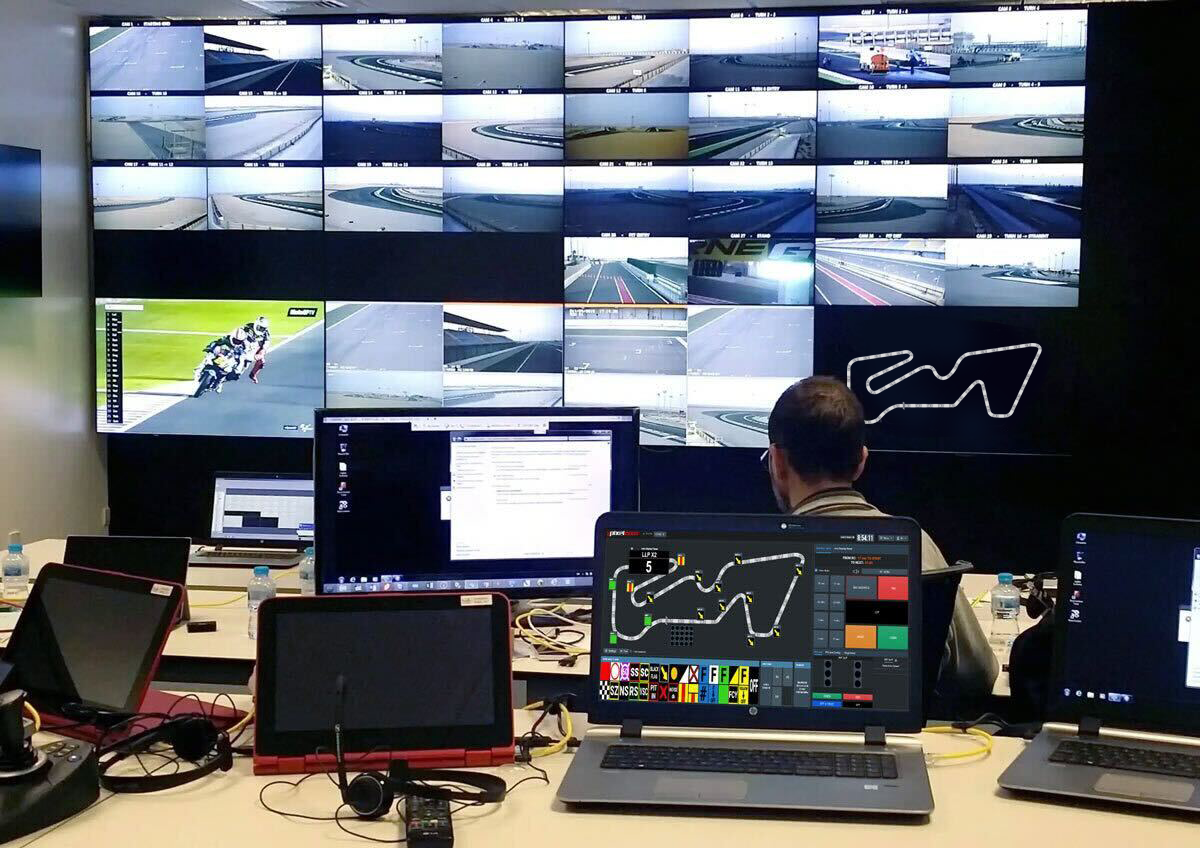
- Communication networks and telemetry systems: Provide real-time information to teams and race direction to adapt strategy.
- Weather prediction tools: Help anticipate changes in asphalt temperature and plan actions on the track.
How Pixelcom optimizes data management on karting circuits
Real-time monitoring of asphalt temperature is essential in professional karting, and circuits need technological infrastructures that facilitate data collection and transmission. Pixelcom provides connectivity and telecommunications solutions that improve circuit management.
-
WiFi networks and connectivity for real-time transmission of meteorological data.
-
Infrastructure for on-track temperature sensors, optimising data collection.
-
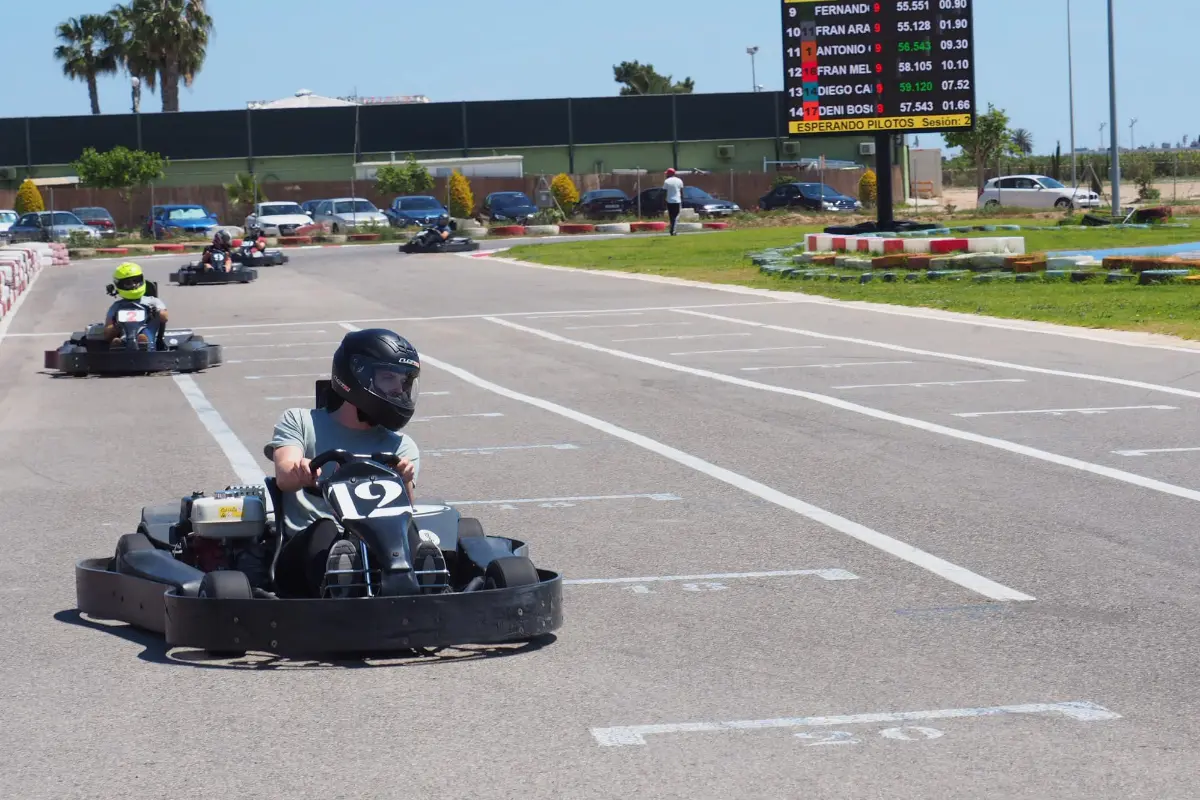
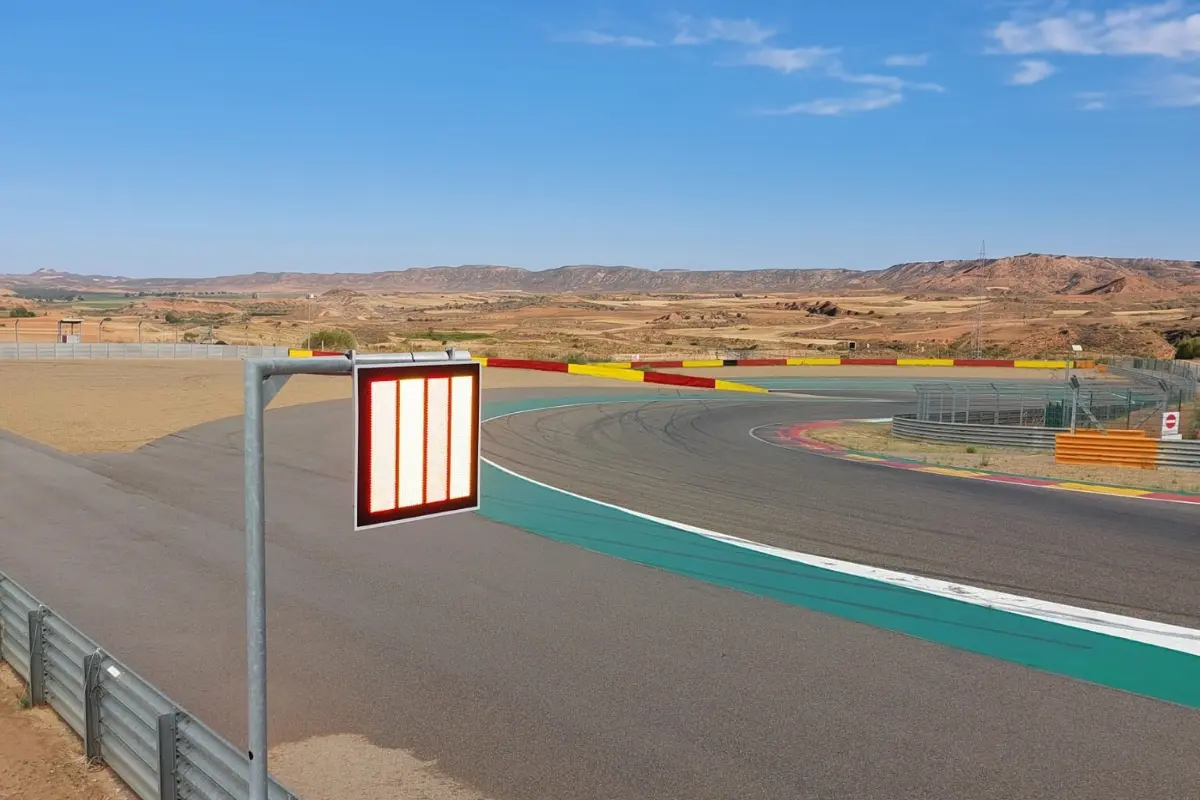
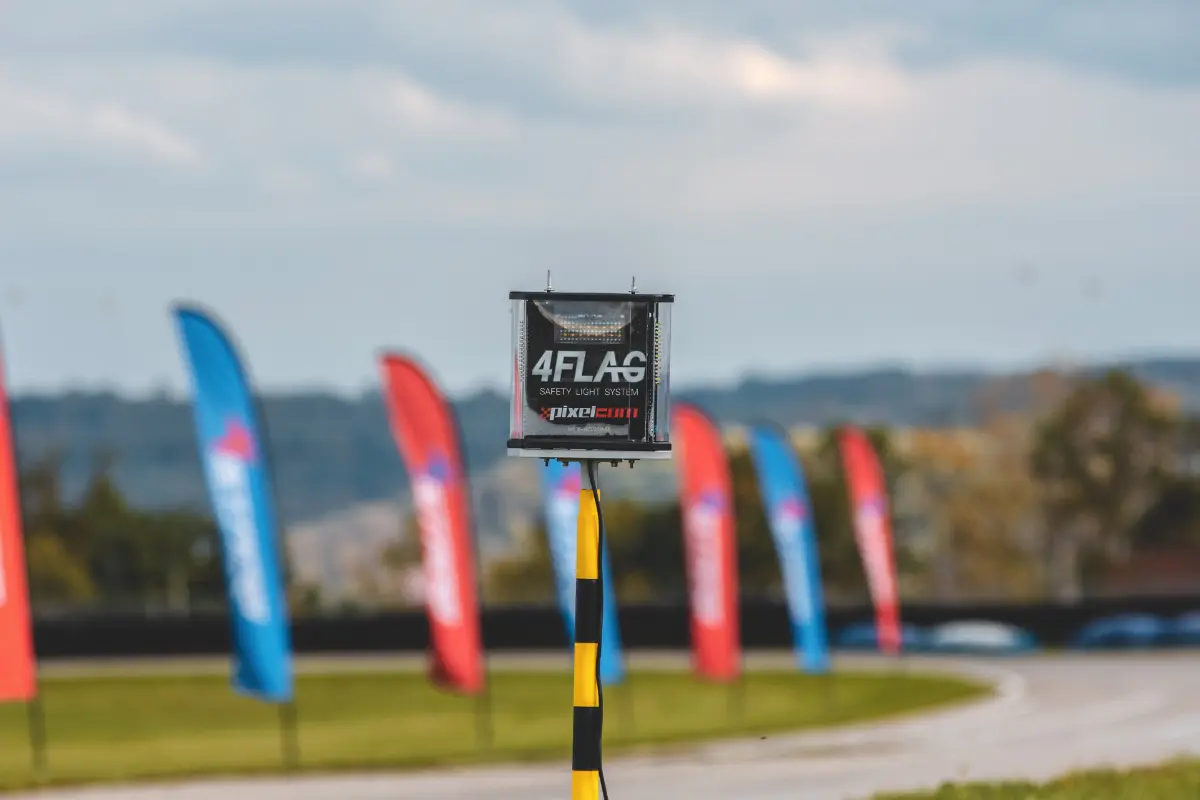
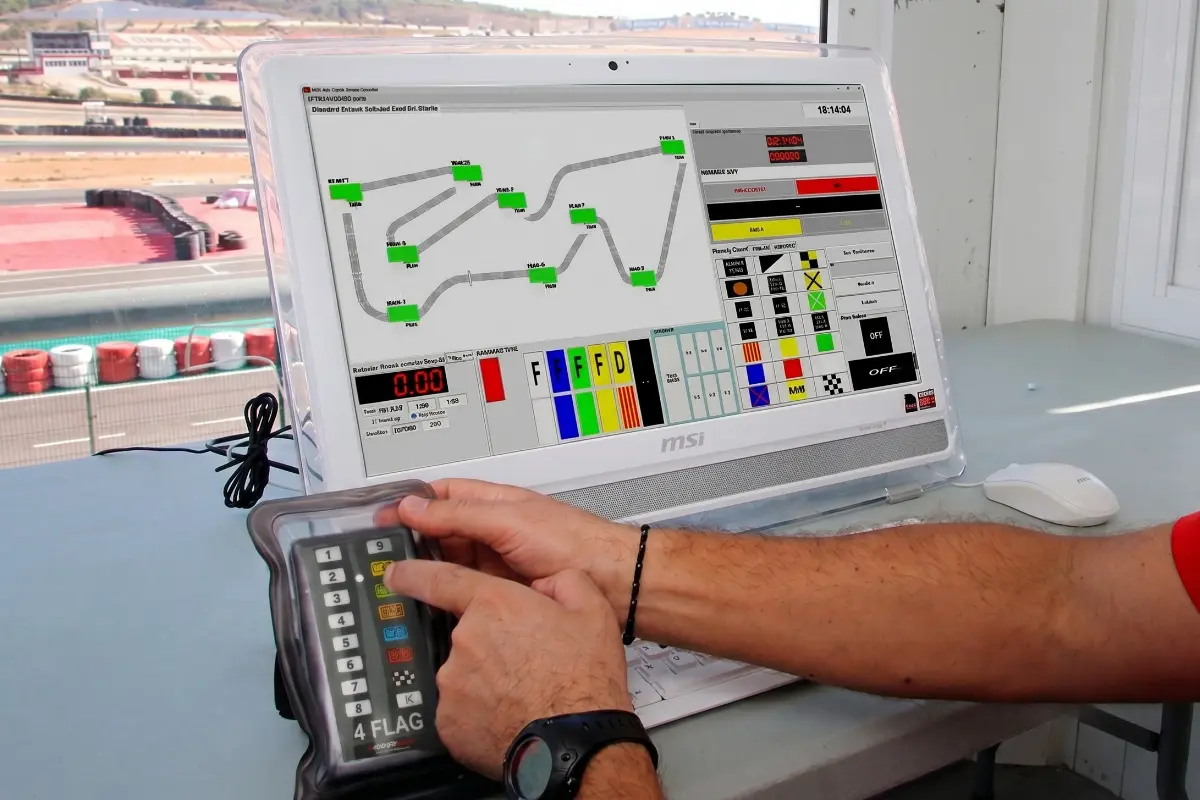
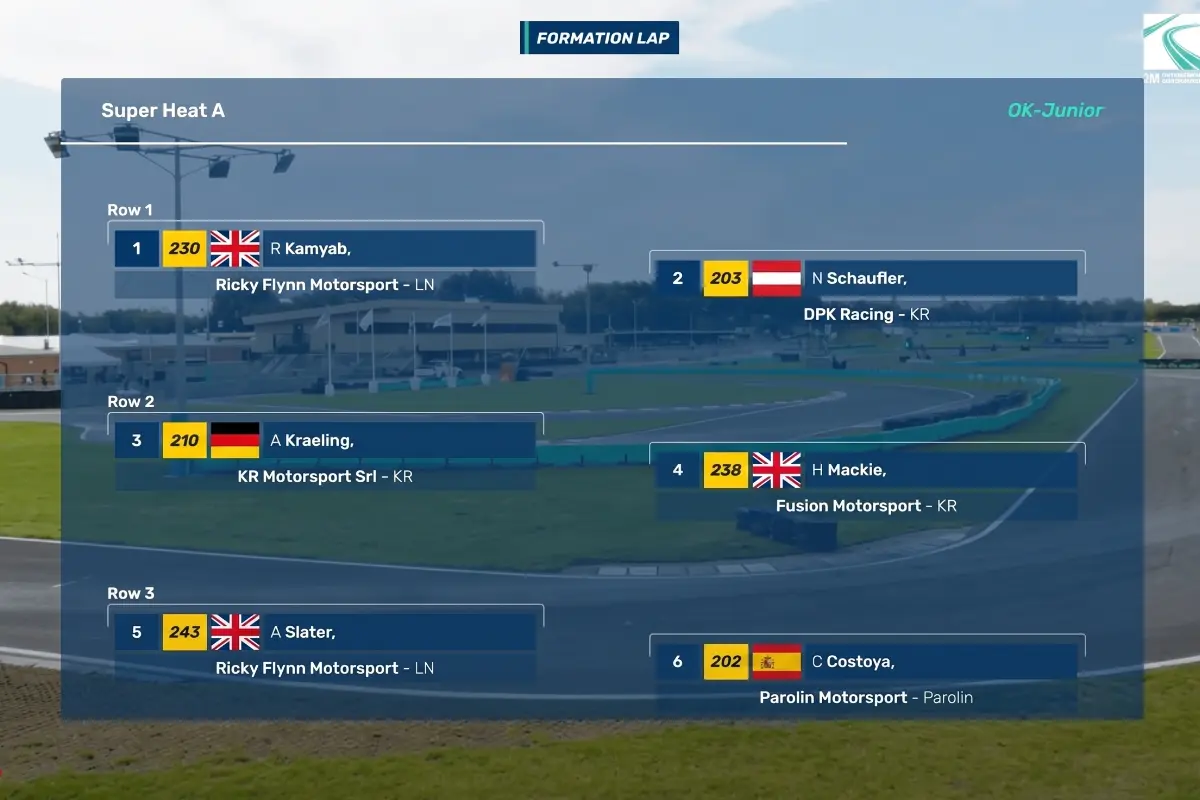
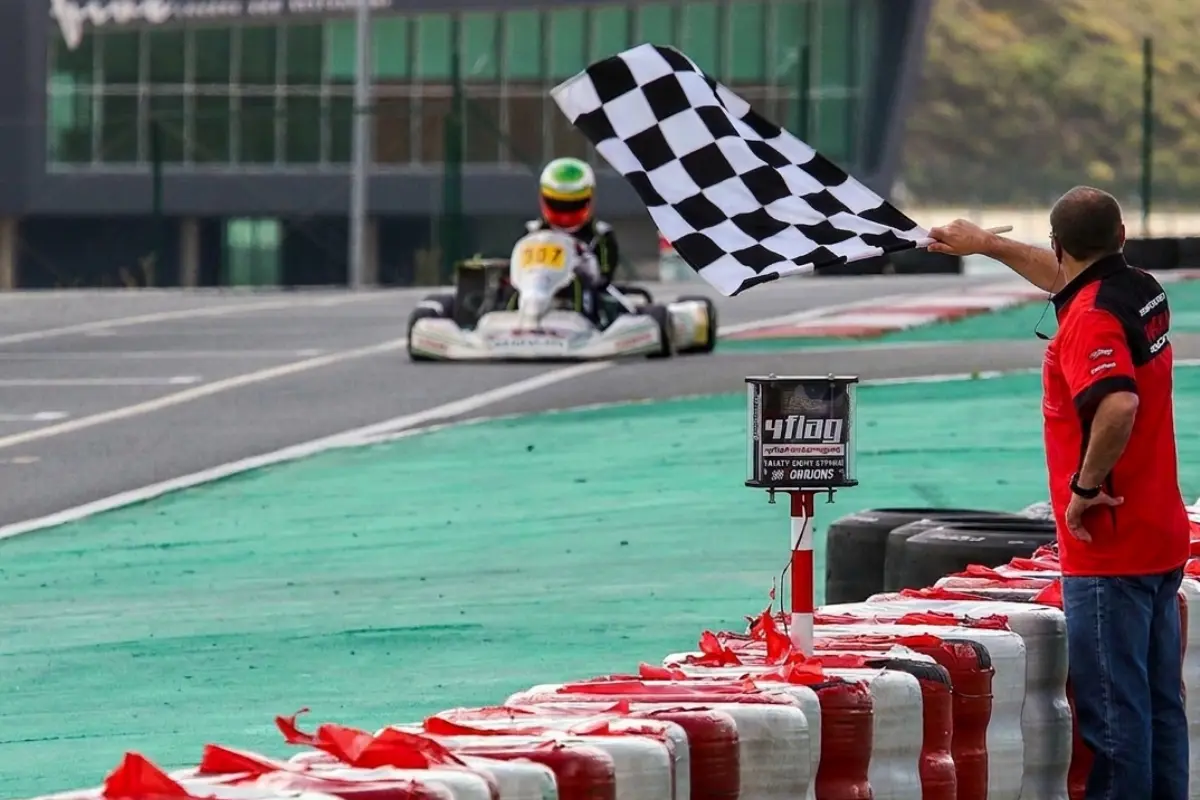
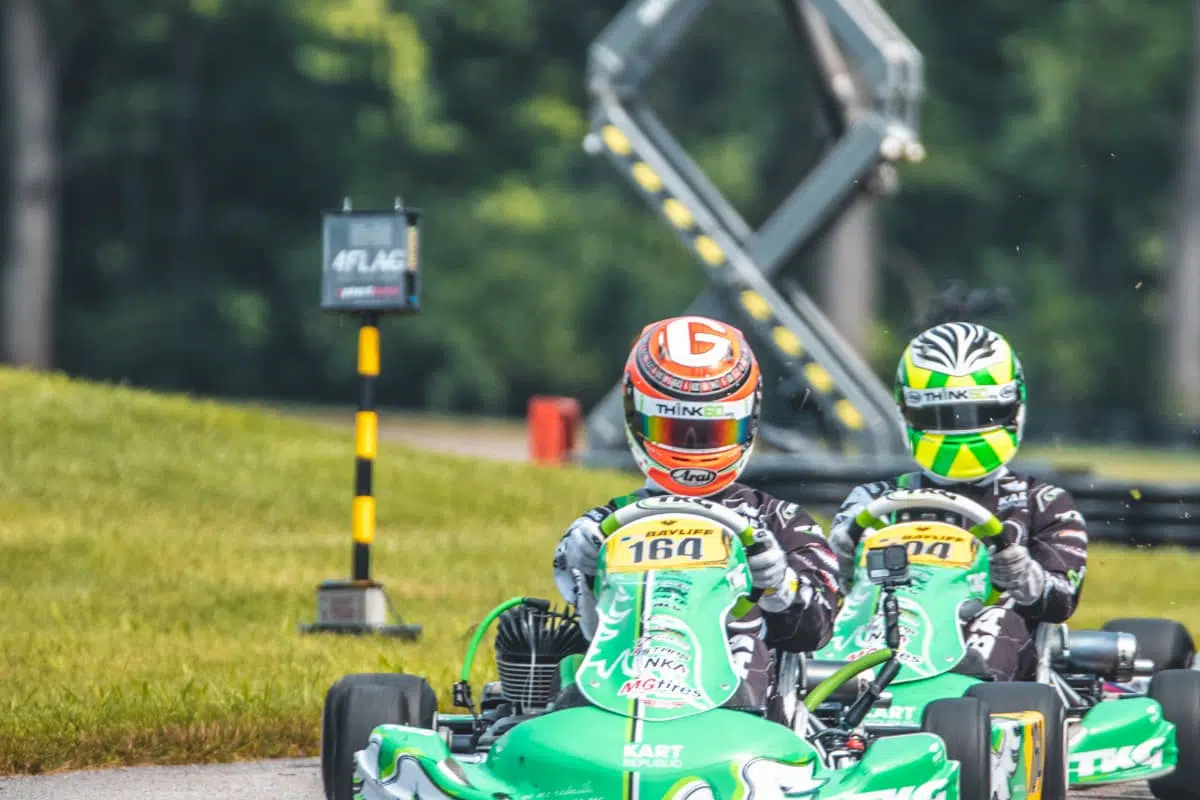
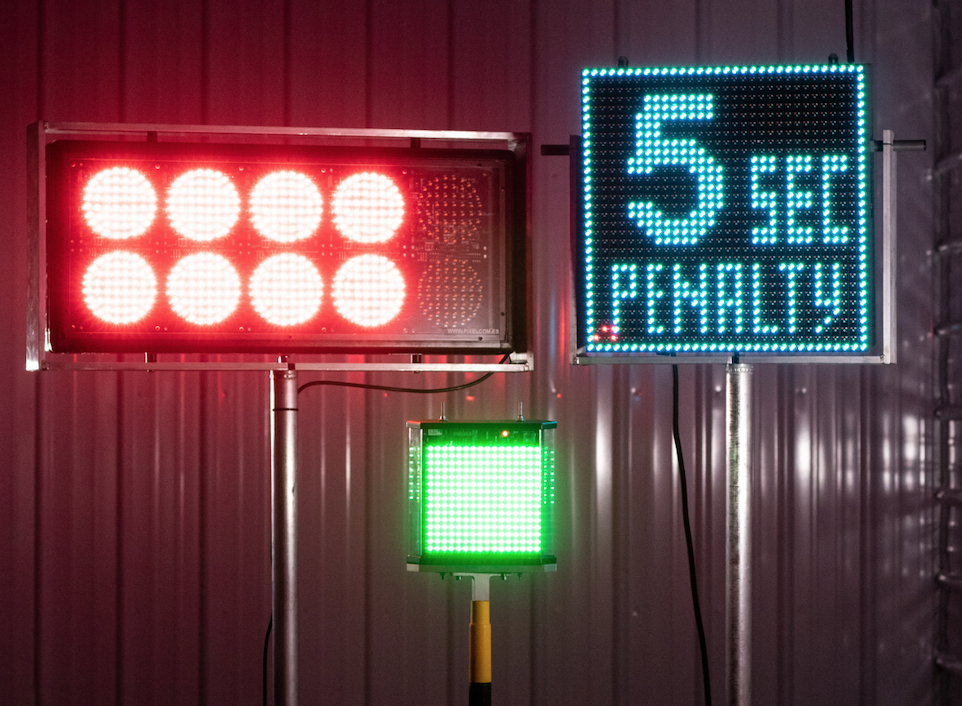
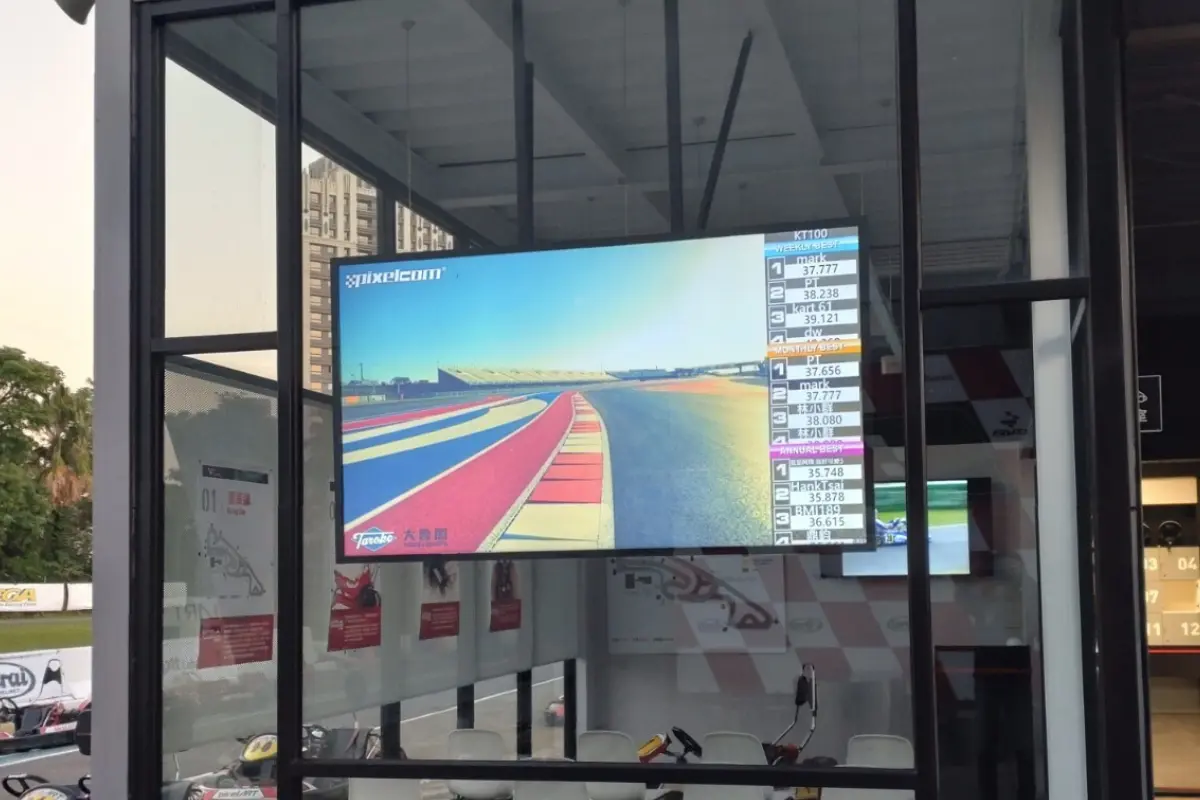
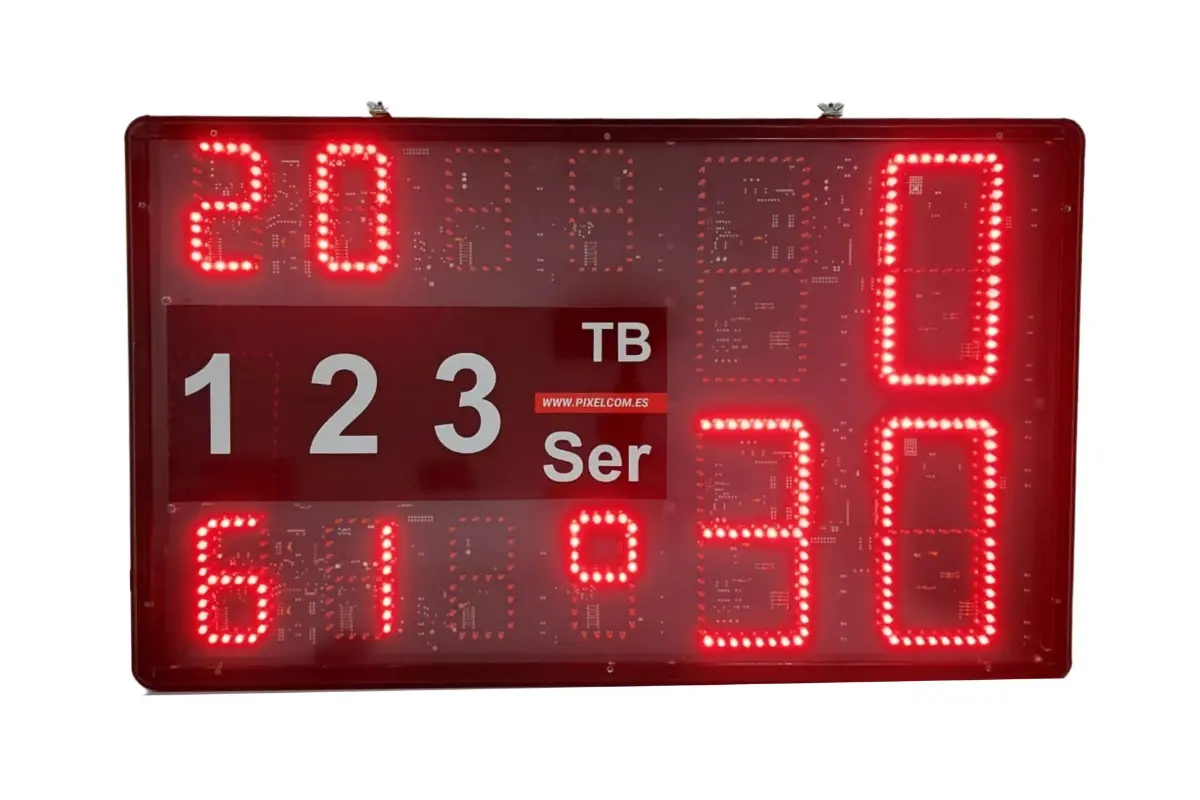
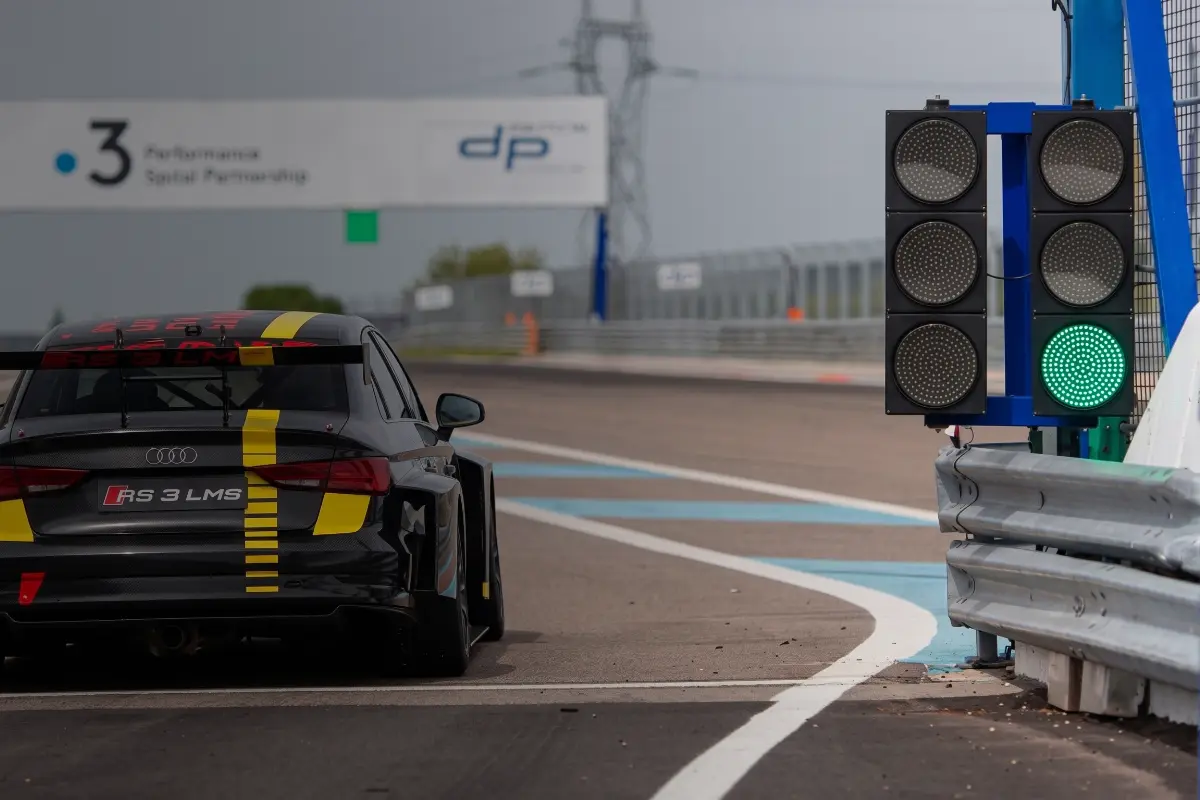
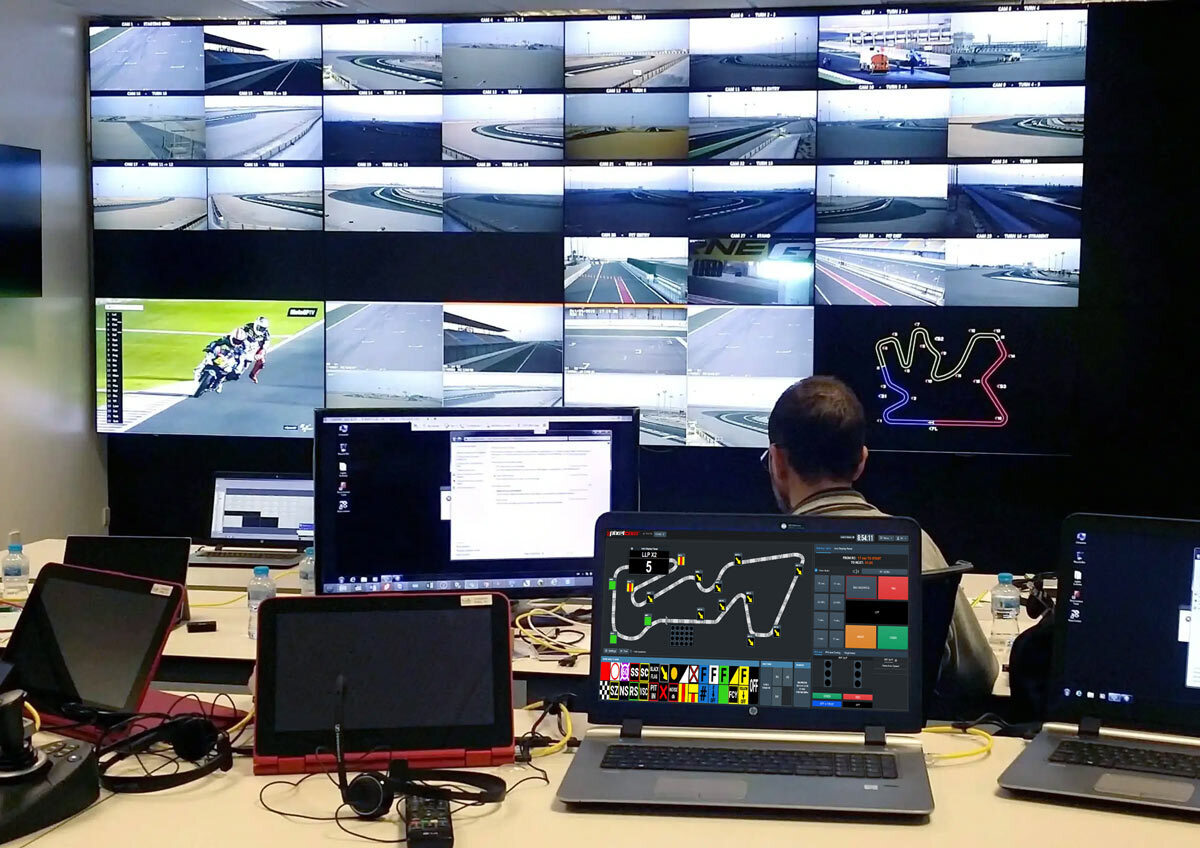
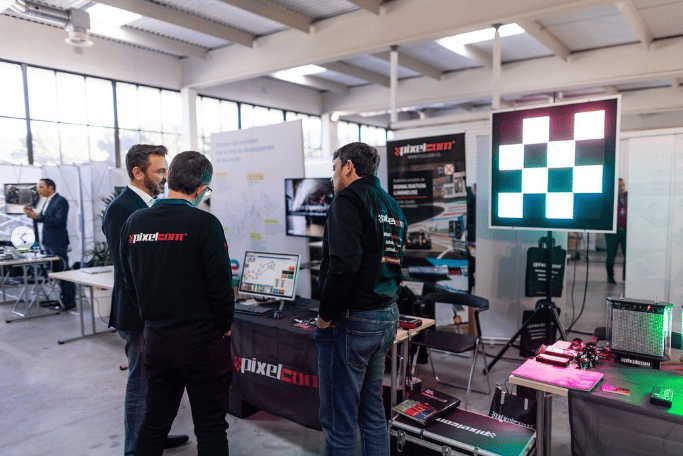
Graphic outputs for TV displays and live technical analysis, showing real-time data such as track temperature, timing, sector performance or digital flags – enabling visual control by race direction, technical teams and spectators.
-
Communication systems for race control and teams, ensuring rapid response to changing track conditions.
-
Solutions for race broadcasting and live technical analysis, enabling detailed coverage of circuit conditions
Circuits that implement advanced technologies not only improve driver performance but also enhance safety and the quality of competitions. For more information on how to improve connectivity and data management in karting with next-generation technology, visit Pixelcom.