This weekend, MotorLand Aragón is hosting the WorldSBK. For spectators, the focus will be on the competition; for race control, on everything that enables an event of this calibre to run without any margin for error. Among these elements, track signage is one of the most critical.
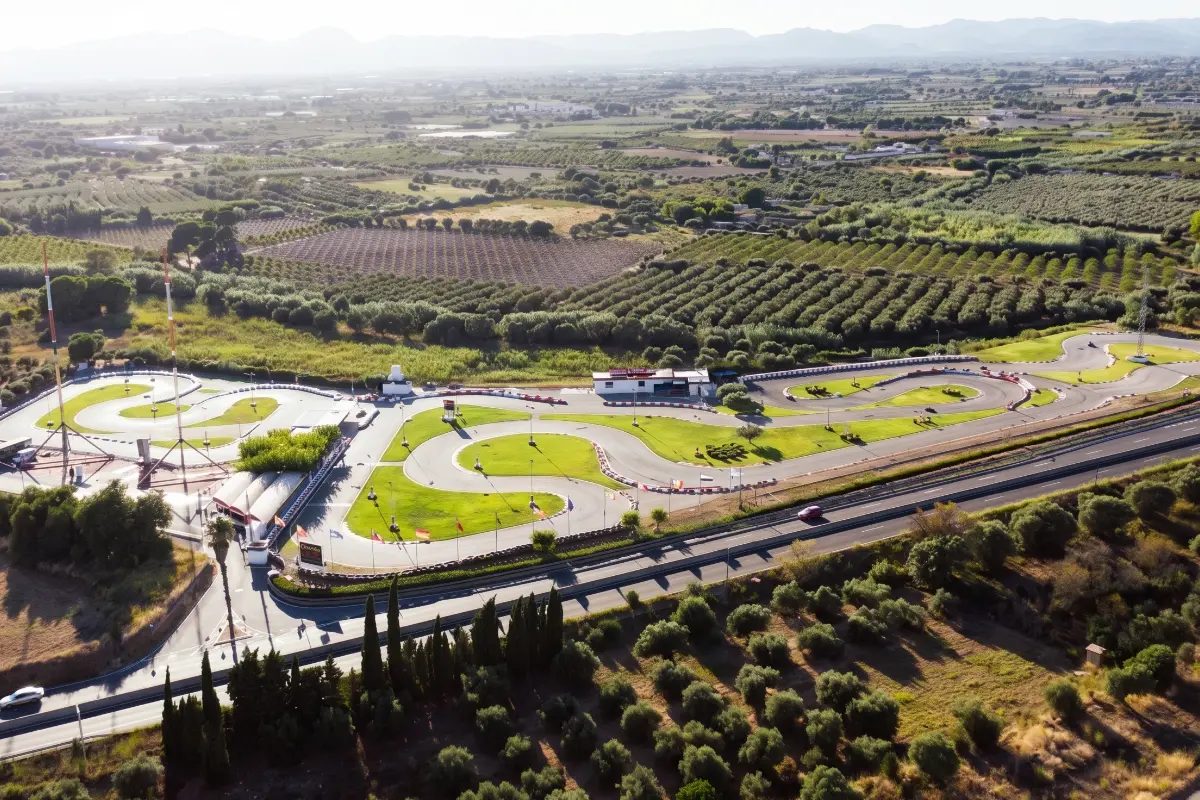
MotorLand is one of Spain’s leading motorsport complexes: a regular host of MotoGP and WorldSBK, and recognised by the IRTA as the best World Championship Grand Prix on five occasions. A circuit of this calibre cannot afford to have technology as the weak link in its operations.
When safety comes down to seconds: what the FIM requires
In competitions governed by the FIM, light signalling is not optional. Circuits wishing to host international events such as WorldSBK need systems capable of communicating any incident on the track immediately, visibly and in a coordinated manner from race control.
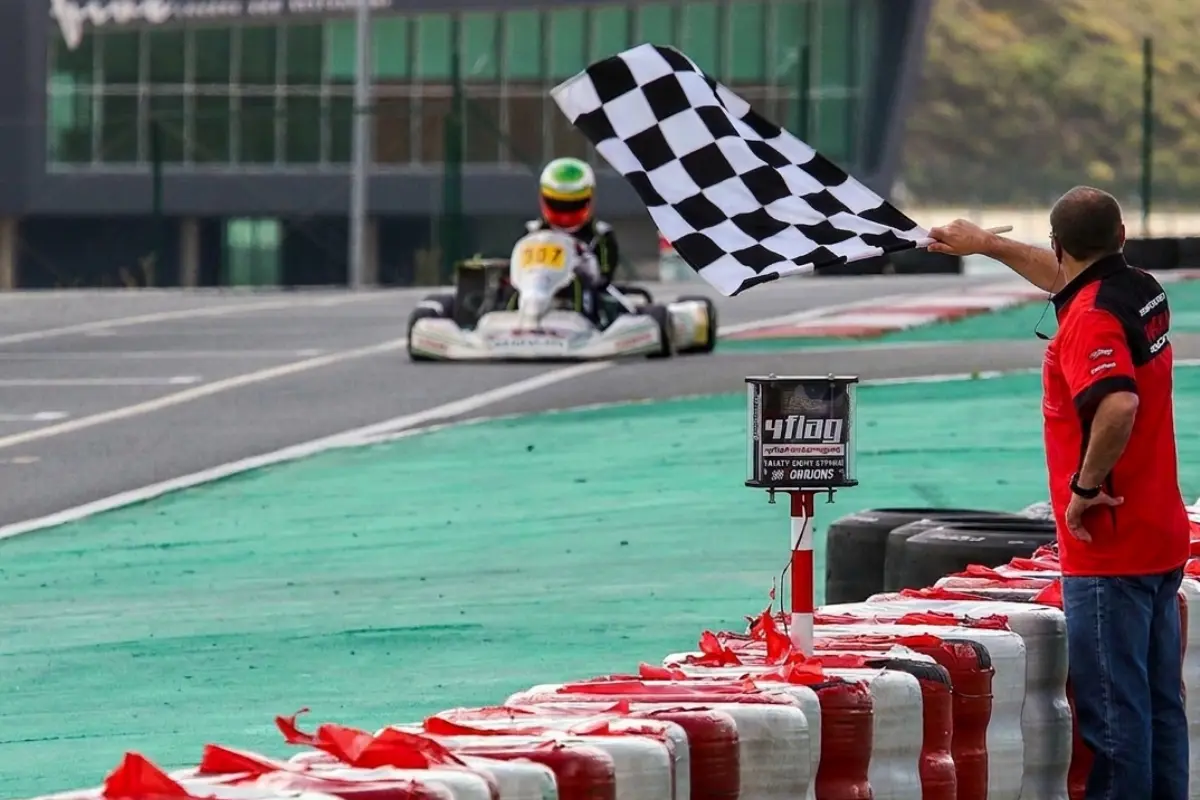
It is not just a matter of meeting a requirement on paper. At high speed, the rider needs to receive clear information in a fraction of a second: a hazard on the track, a reduction in pace, a red flag. Signalling is the channel through which race control communicates with those on the track. If that channel fails, everything else fails with it.
That is why approved light panels are an integral part of the safety infrastructure of any professional circuit, not merely an accessory.
What Pixelcom installed at MotorLand (and how it works)

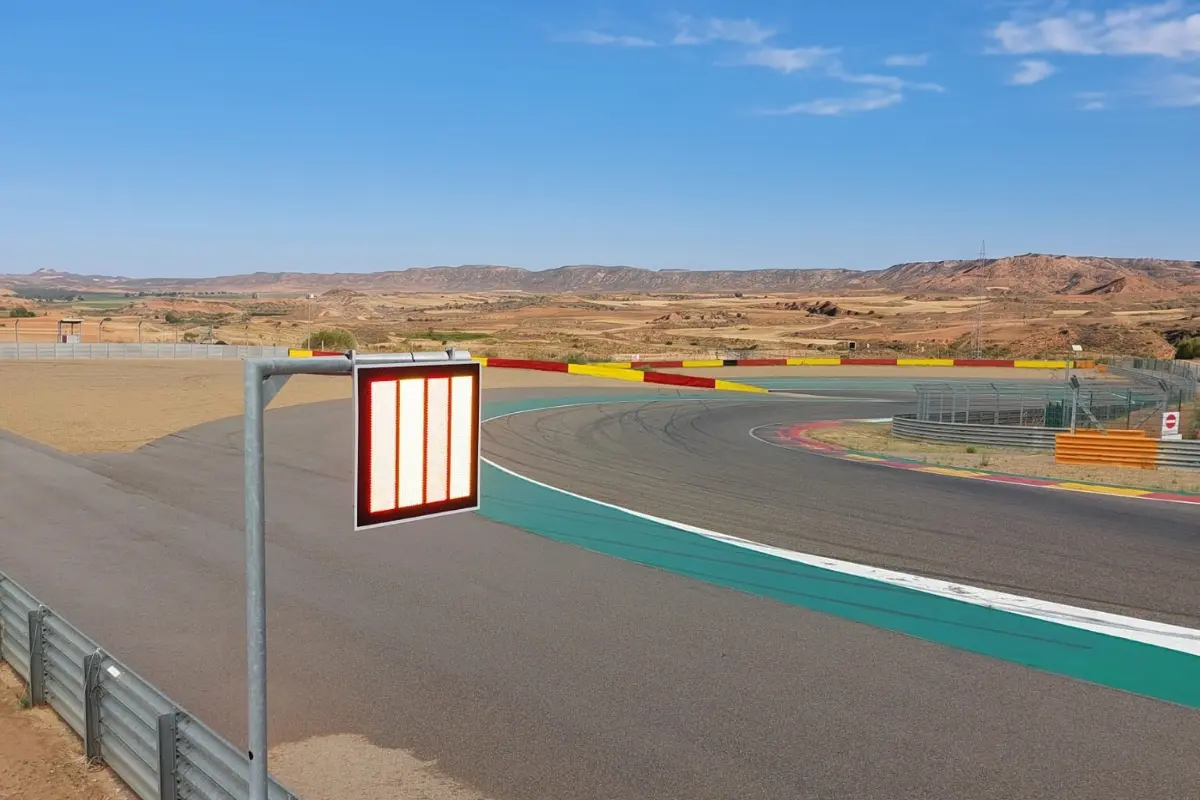
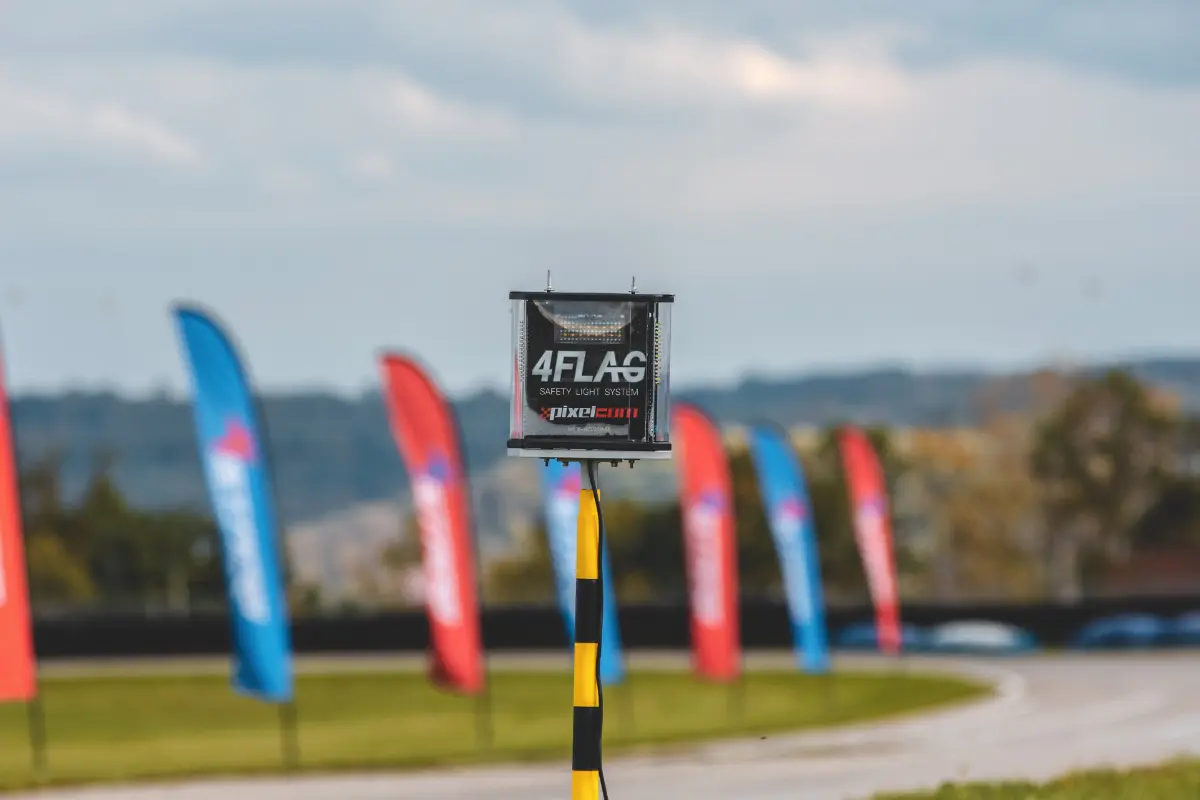
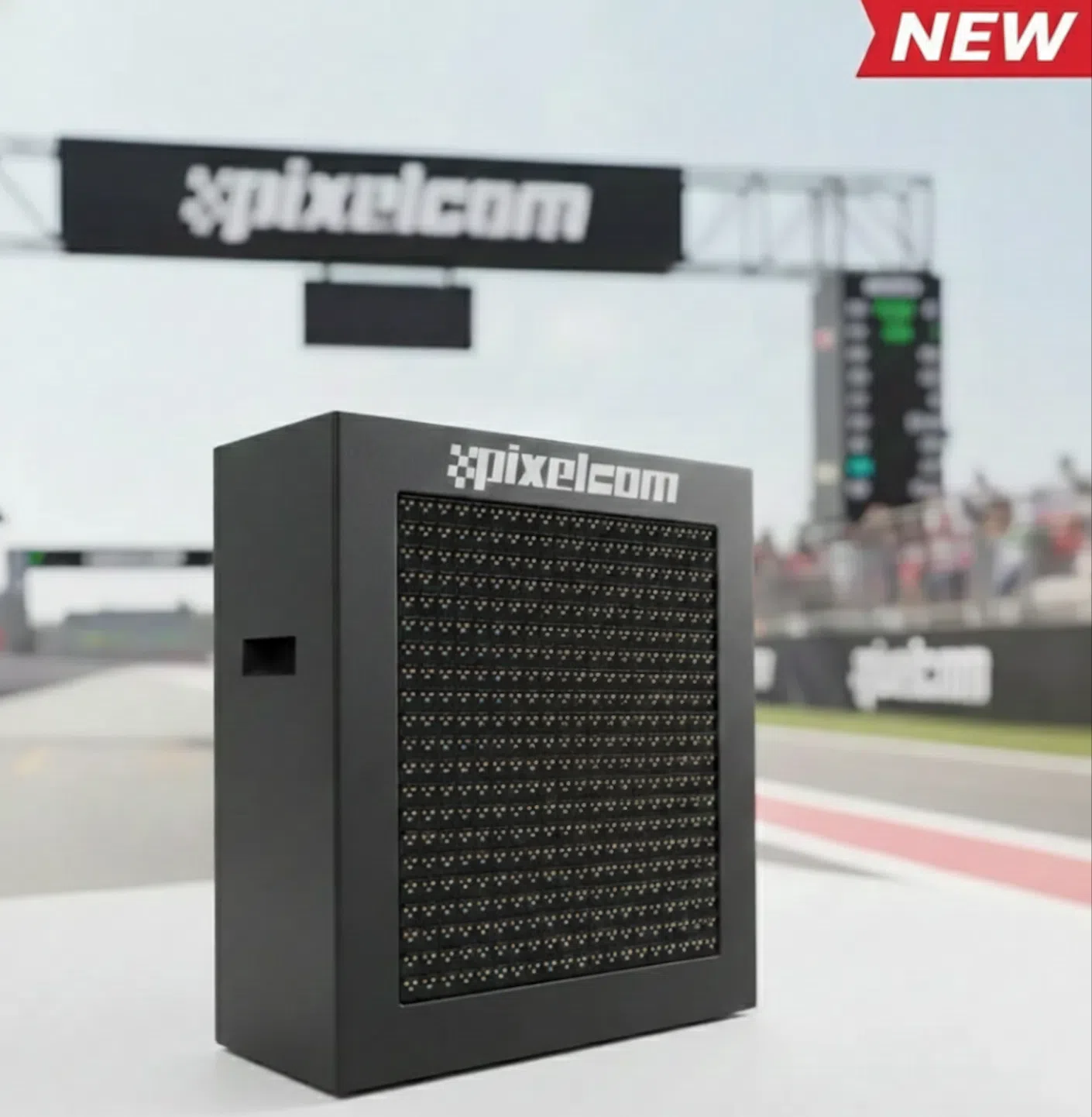
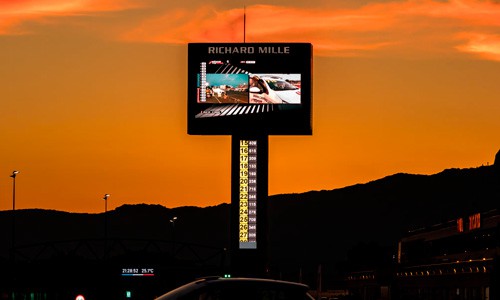
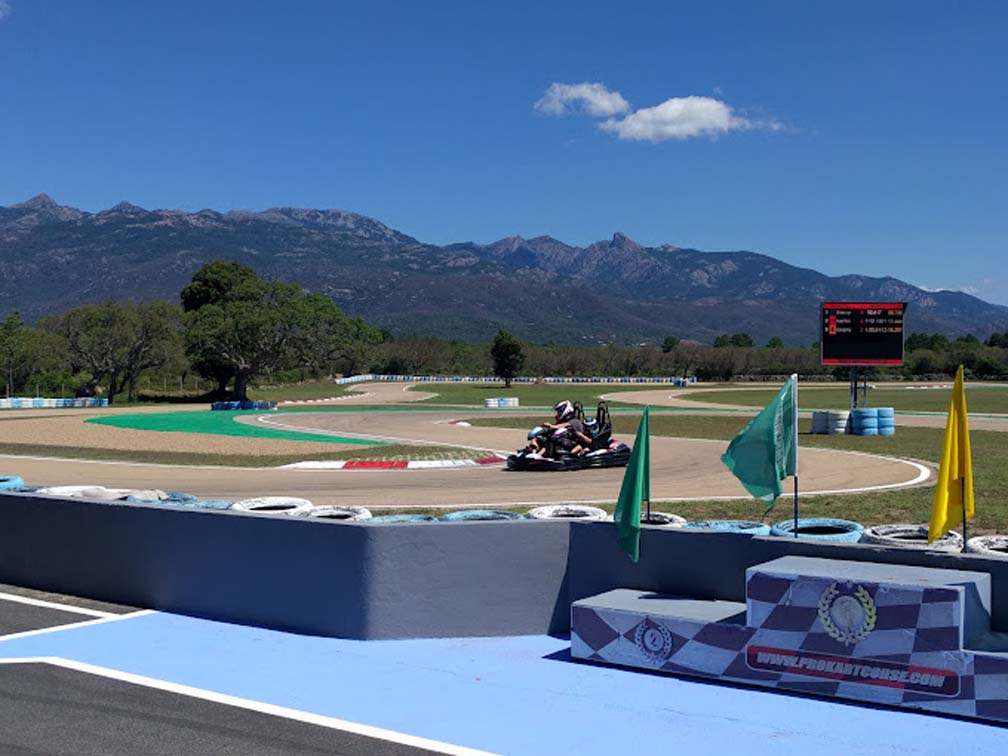
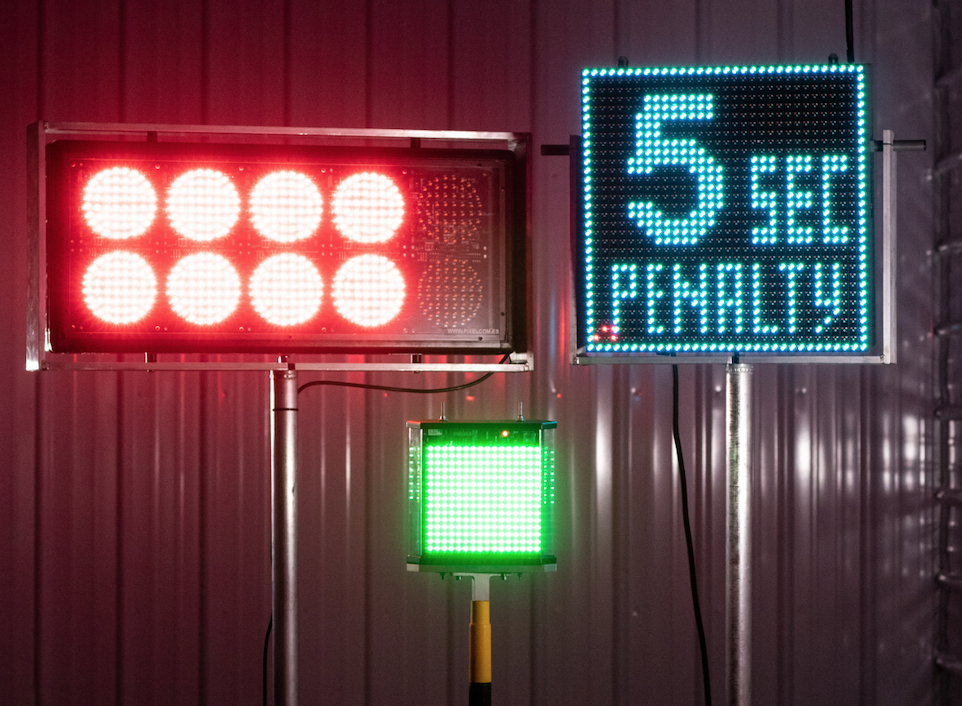
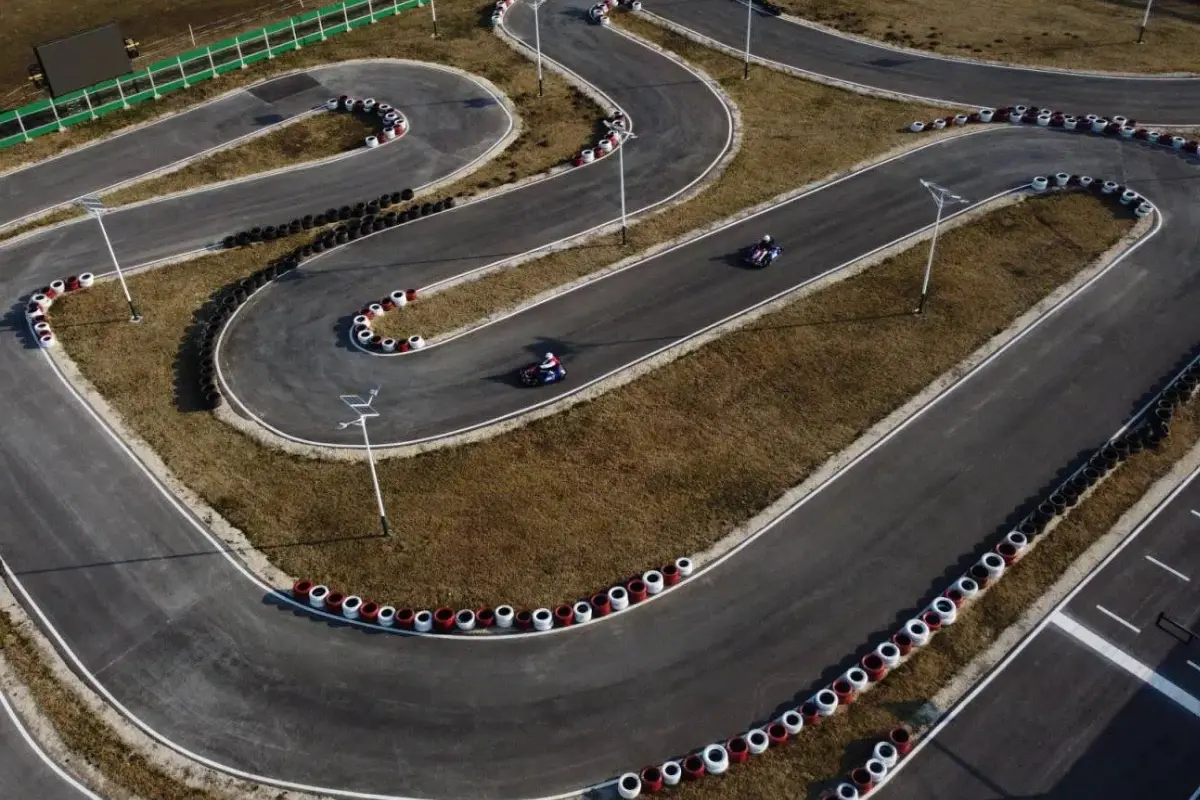
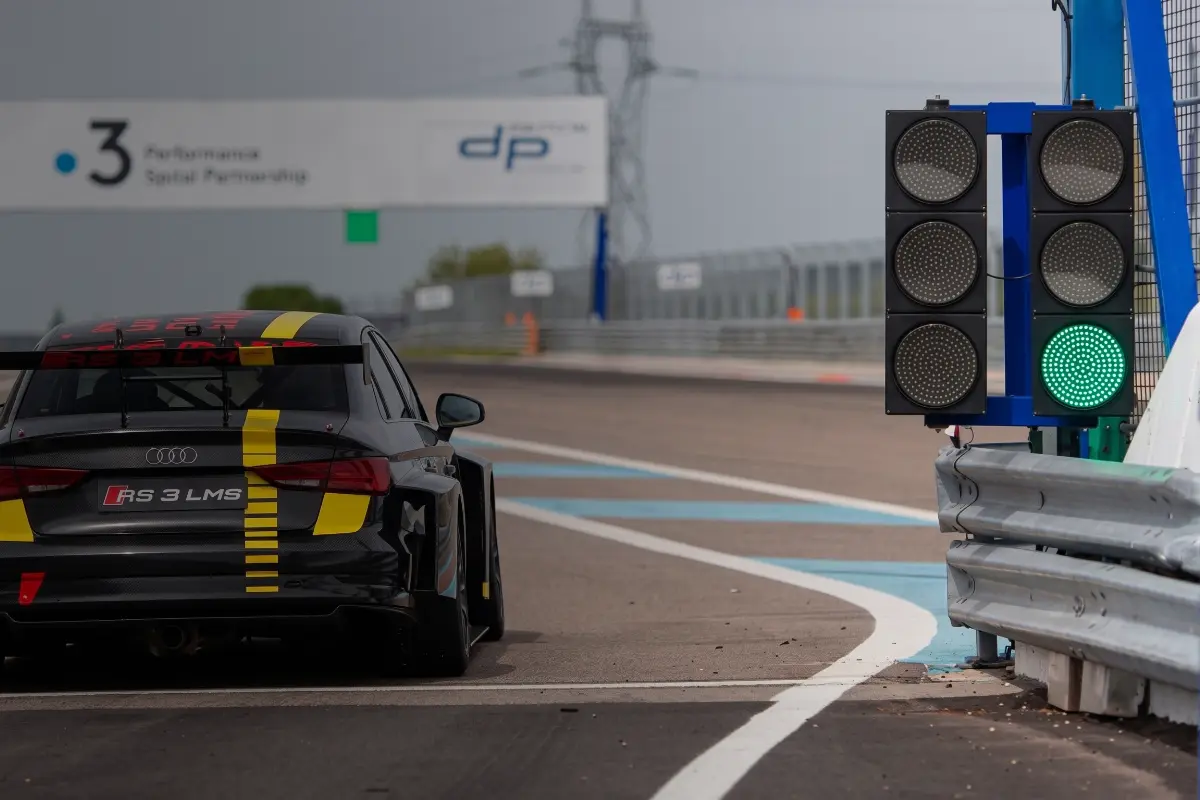
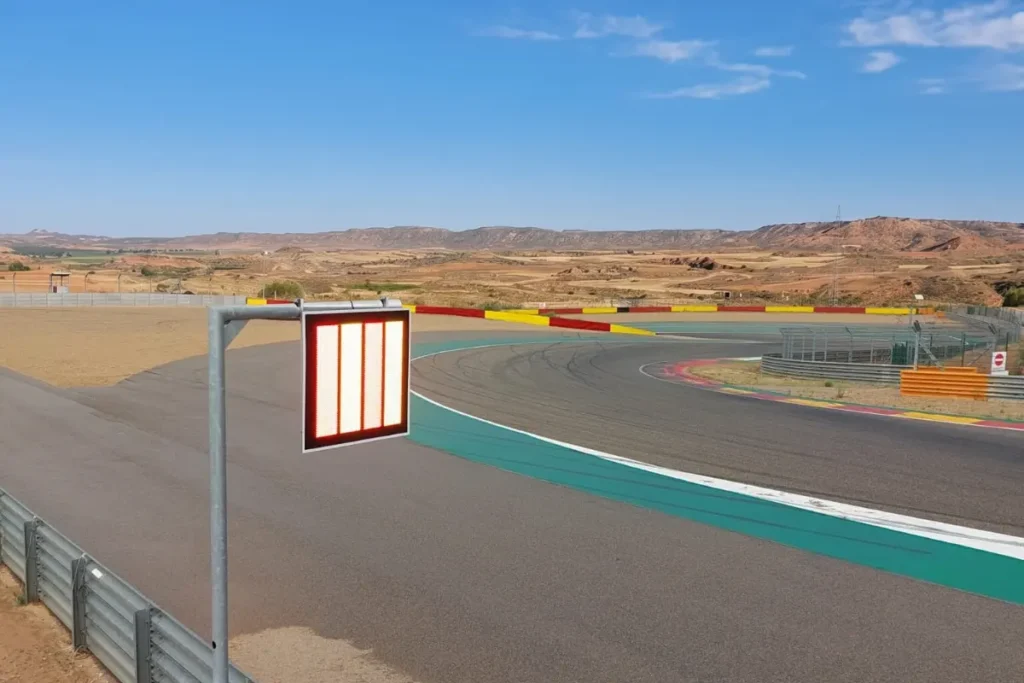
In 2022, Pixelcom was selected to install the safety lighting system at MotorLand Aragón. Twenty-one LED panels featuring high-performance electronics, approved by the FIA and the FIM, were permanently installed along the 5,345-metre track.
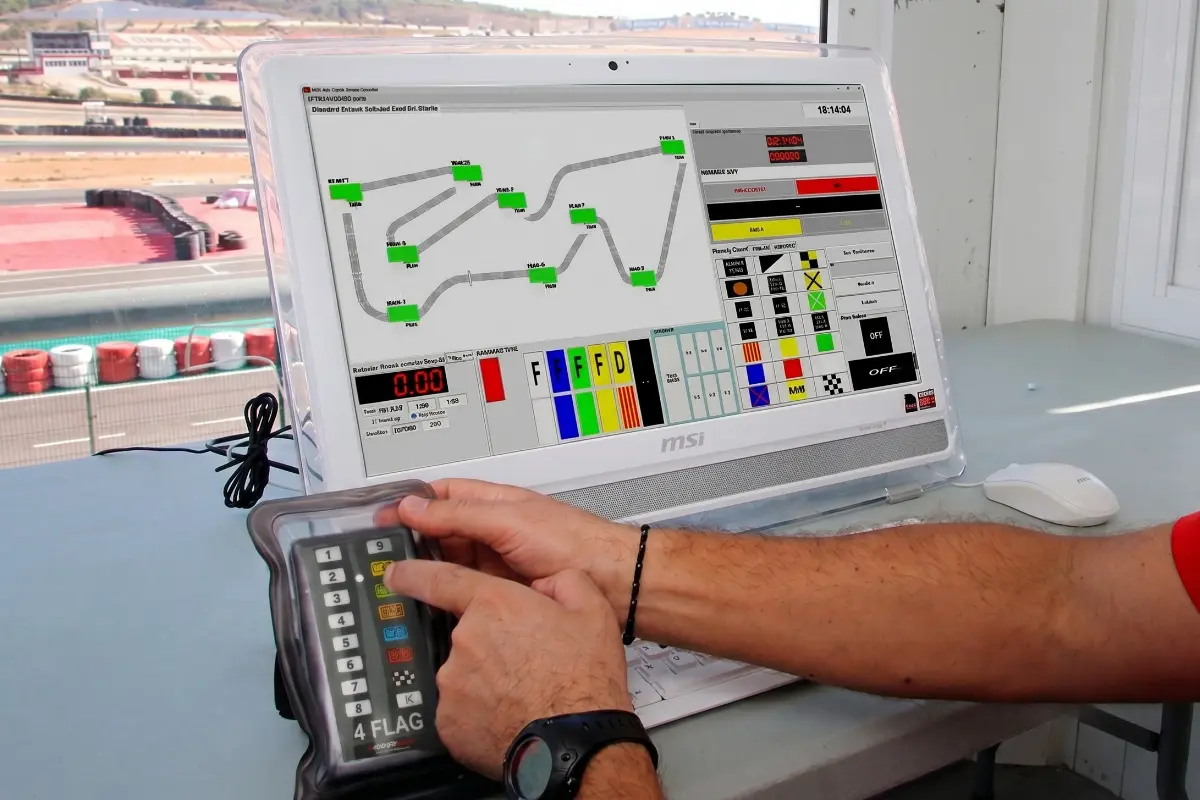
The system operates on two coordinated levels. At track level, each marshal’s post has a physical control: if there is a crash in their sector, the marshal activates the signal immediately and the LED panel lights up instantly with the corresponding flag, without waiting for instructions from the control tower. In situations where seconds count, this autonomy is critical.
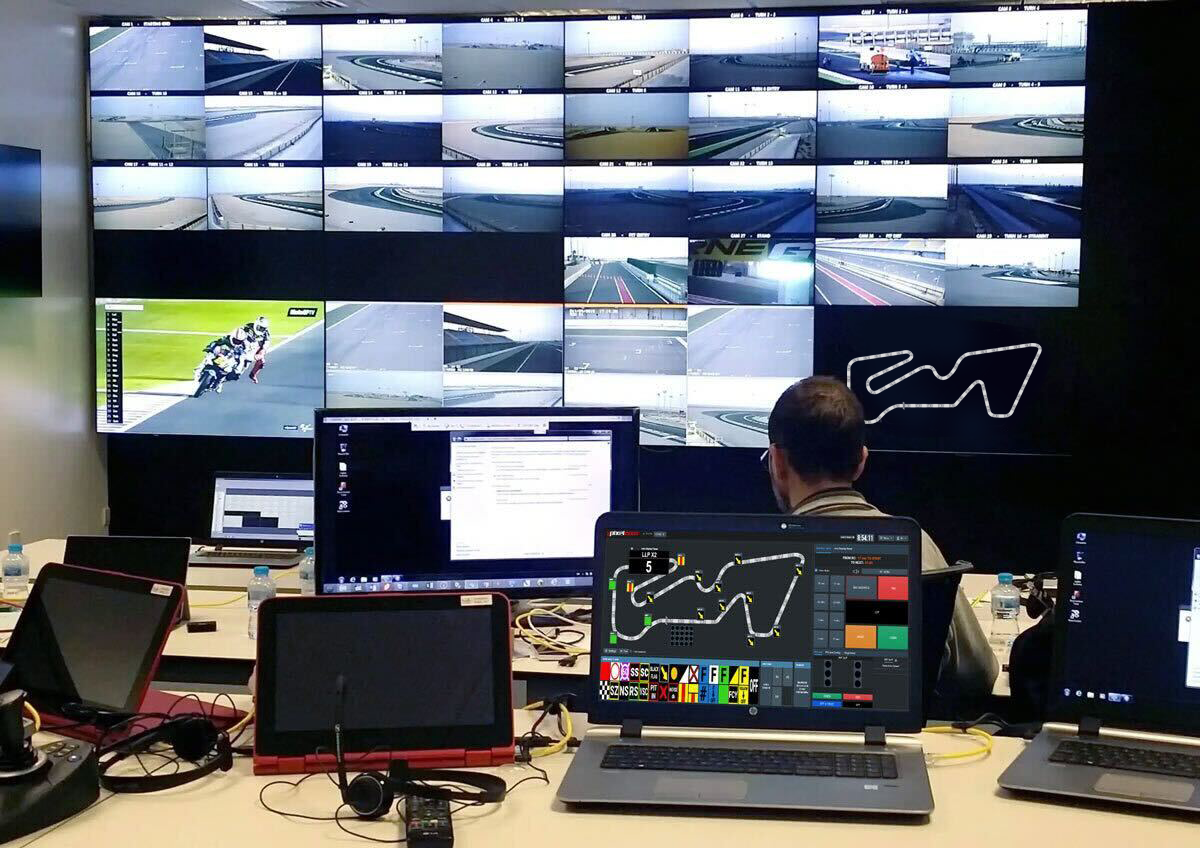
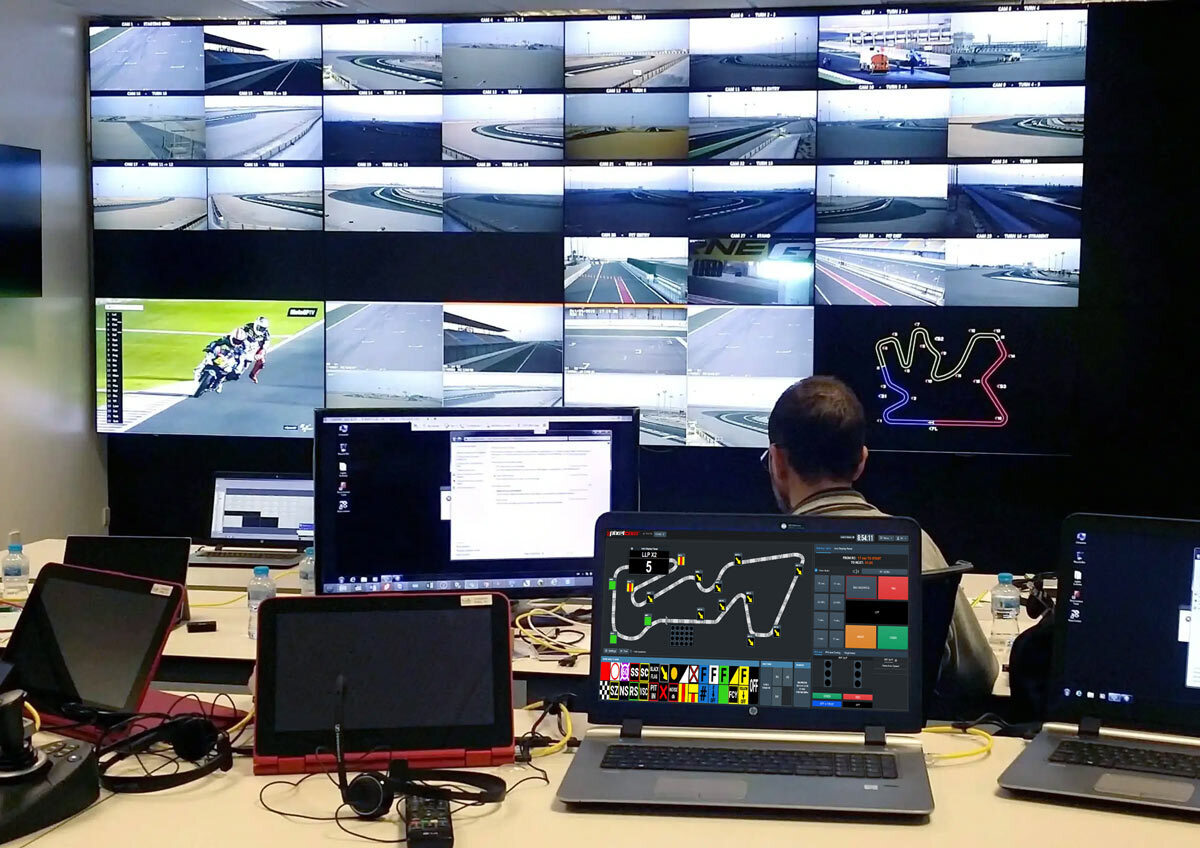
From the control tower, the race director manages the status of the 21 panels in real time. He can see which signals are active at each point on the circuit, activate a red flag simultaneously on all panels at once, or coordinate specific sectors depending on how the race unfolds.
The combination of immediate local response and full central control allows for safe and consistent operation at a demanding event such as WorldSBK.
Why a permanent installation changes the way the circuit operates

An installation integrated into the circuit not only improves safety during competitions. It also brings consistency to day-to-day operations: protocols remain the same between sessions, staff work with less uncertainty, and race control is better equipped to respond to any incident.
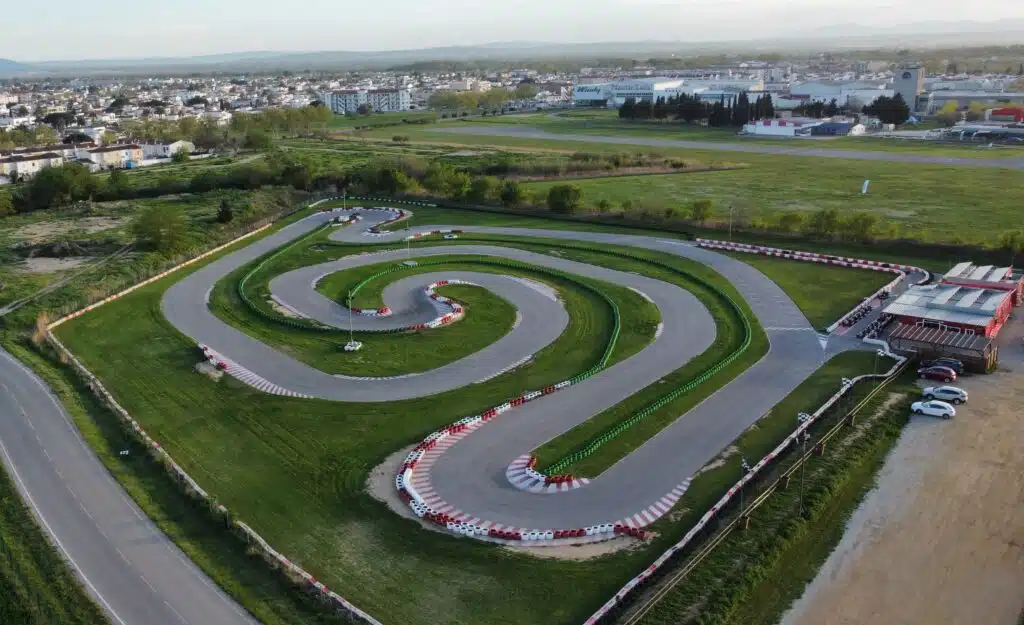
The same system that will be in operation this weekend during the WorldSBK was active just a few weeks ago during the Spanish Karting Championship. No changes, no adjustments, no improvisation. That is the kind of solution that makes sense for a busy circuit hosting international events, where technology cannot be allowed to become a weak link.
At Pixelcom, we have been designing signage systems for motorsport circuits for over 20 years. If you are considering upgrading your circuit’s signage, tell us about your project and we will analyse it.
Frequently Asked Questions
What is FIM signalling at a circuit?
It is the set of signalling systems used to communicate safety warnings on the track in accordance with the requirements of the International Motorcycling Federation. It may include illuminated panels, safety lights, digital flags and control from race control.
What is the difference between a physical flag and an approved illuminated panel?
A physical flag relies on visibility and the marshal’s manual operation. An illuminated display allows for more visible, centralised and consistent communication, reducing the margin for error.
Are LED displays mandatory for hosting FIM competitions?
In certain international categories, the FIM requires approved illuminated signalling systems as part of the circuit’s technical requirements. Therefore, circuits aiming to host high-level events must consider homologation, visibility and integration.
Does a permanent signalling system make sense for a medium-sized circuit?
Yes, if the circuit hosts regular events or wishes to attract more demanding events. A permanent installation is usually more reliable and efficient than a solution set up only for each individual event.