Profitability at a karting centre rarely depends on a single great idea; it almost always improves when we fine-tune daily operations. That is exactly where karting software adds real value: it helps us reduce avoidable incidents, standardise safety and cut downtime without turning management into something complex. In this article, we cover three common problems that quietly shrink profit margins and, above all, the practical steps we can take to fix them. The goal is simple: you should be able to identify what is happening today and what you need to measure to confirm improvements.
Why karting software improves profitability more than you think
When operations run smoothly, we can run more sessions per hour, reduce stoppages and deliver a better customer experience. When operations are inconsistent, the opposite happens: we lose minutes, we lose rhythm, and we lose repeat business.
A good karting management software setup typically supports three profitability levers:
- Operational control: sessions, timing, results and incident traceability.
- Safety and signalling: clearer communication, fewer long stoppages, less variability between shifts.
- Efficiency: fewer manual tasks and less downtime between sessions.
Let’s go straight to the three areas where money is most commonly lost.
1. Avoidable incidents that disrupt the pace of the track
In many karting centres, the issue is not a major breakdown. It is the accumulation of small incidents: misalignment in session control, debates over times or results, delays that compound over the day, and decisions made “on the fly”. The impact is always twofold: we lose operating minutes and we weaken the perception of organisation. In a leisure business, that perception matters more than we sometimes realise.
Practical actions to reduce avoidable incidents
Standardise the cycle of each session. We want a repeatable flow: pre-check, start, end and results display. When every shift runs the same cycle, the operation becomes predictable.
Record recurring incidents and treat them like a process. If an issue repeats, it is not random. We should document it, identify the trigger and define the response so it stops returning.
Ensure traceability of times and sessions. The more clarity we have, the fewer arguments or “manual fixes” we need. That clarity reduces friction with customers and within the team.
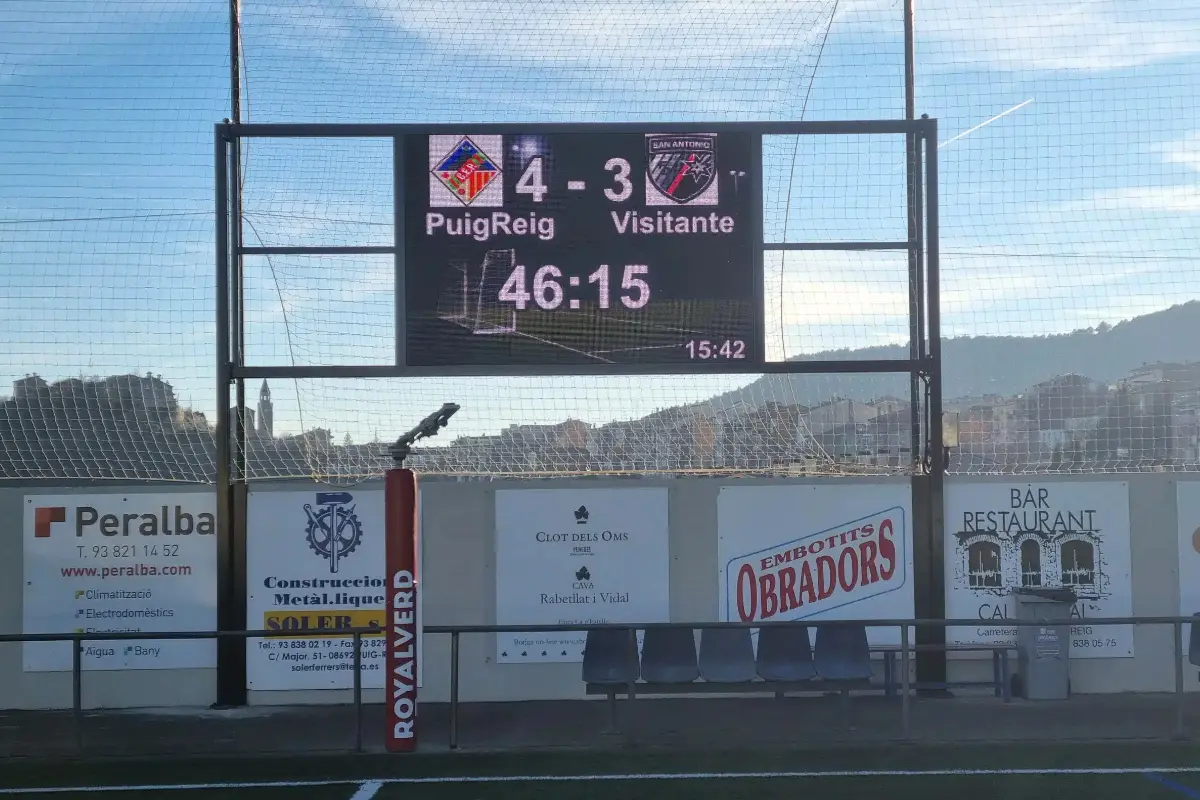
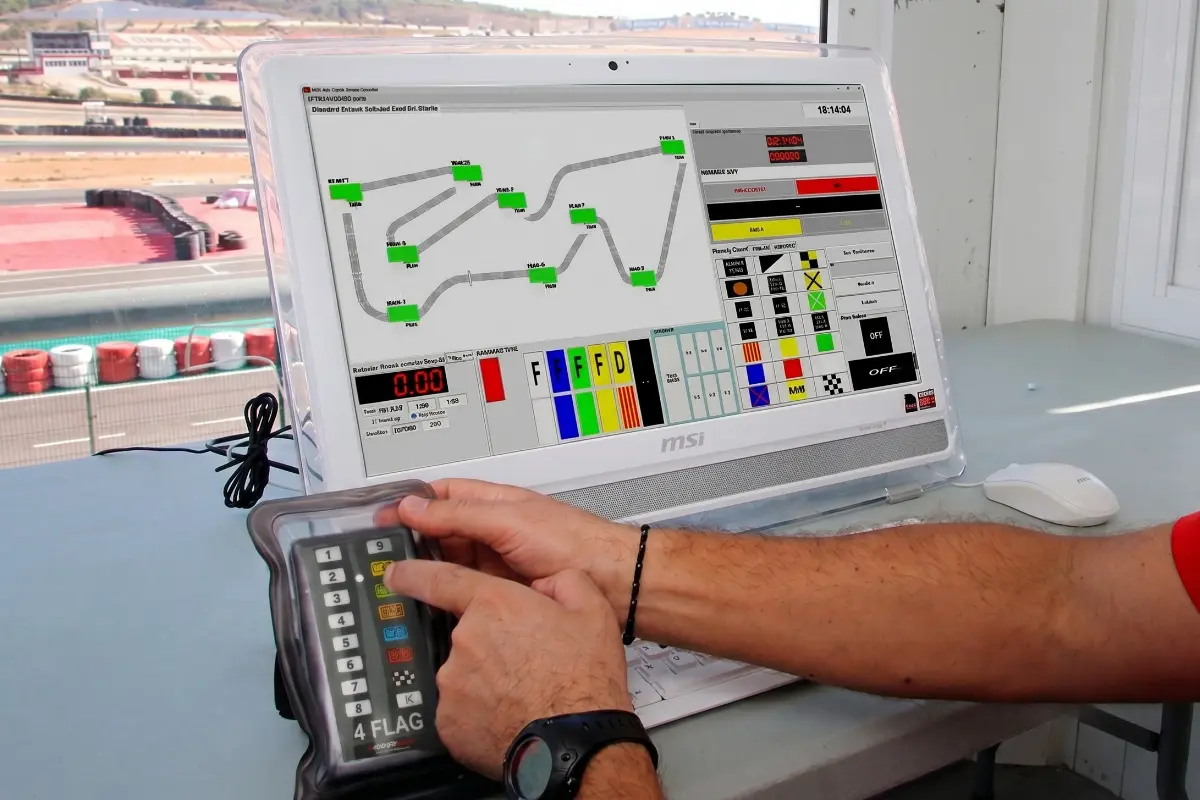
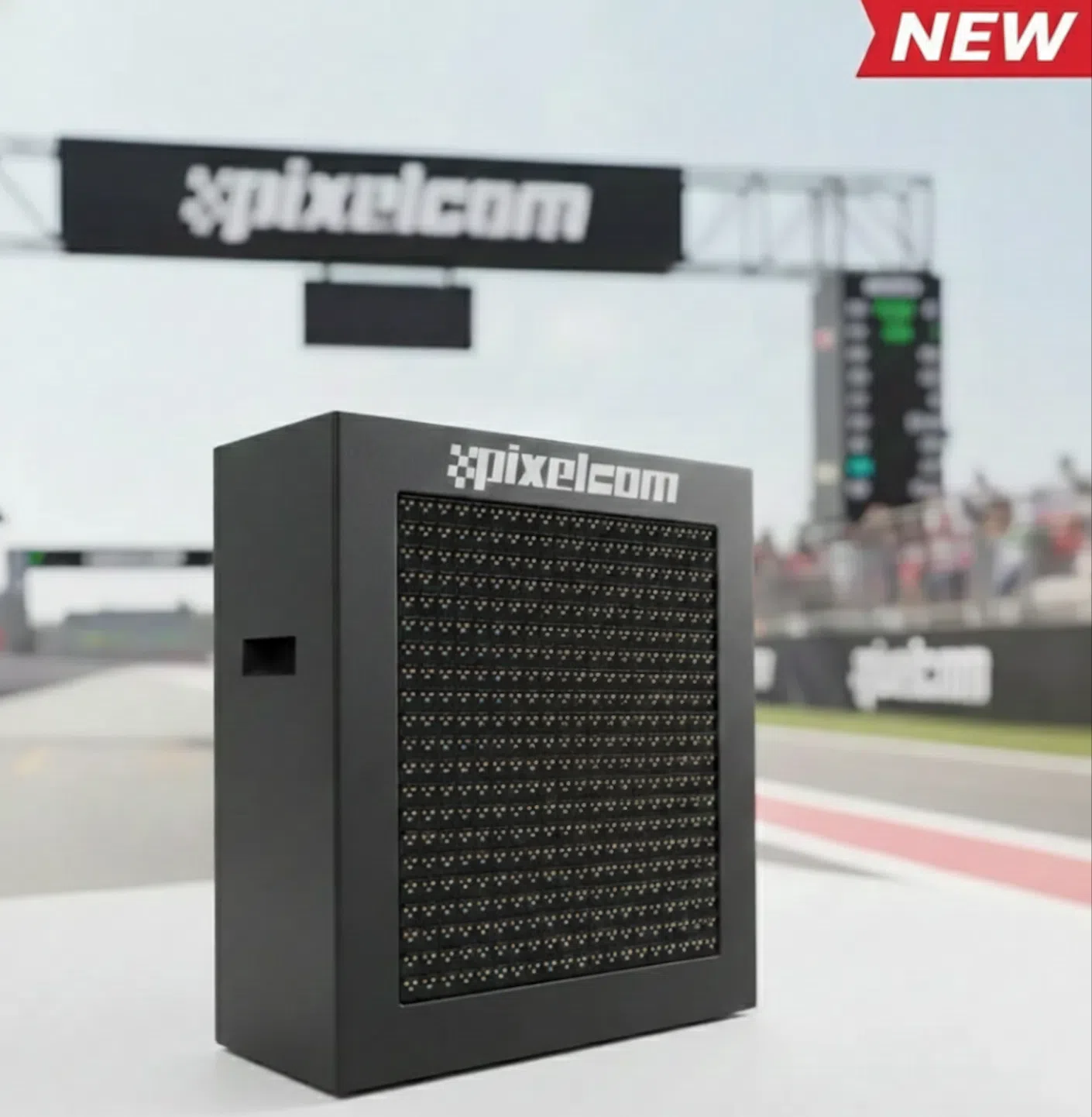
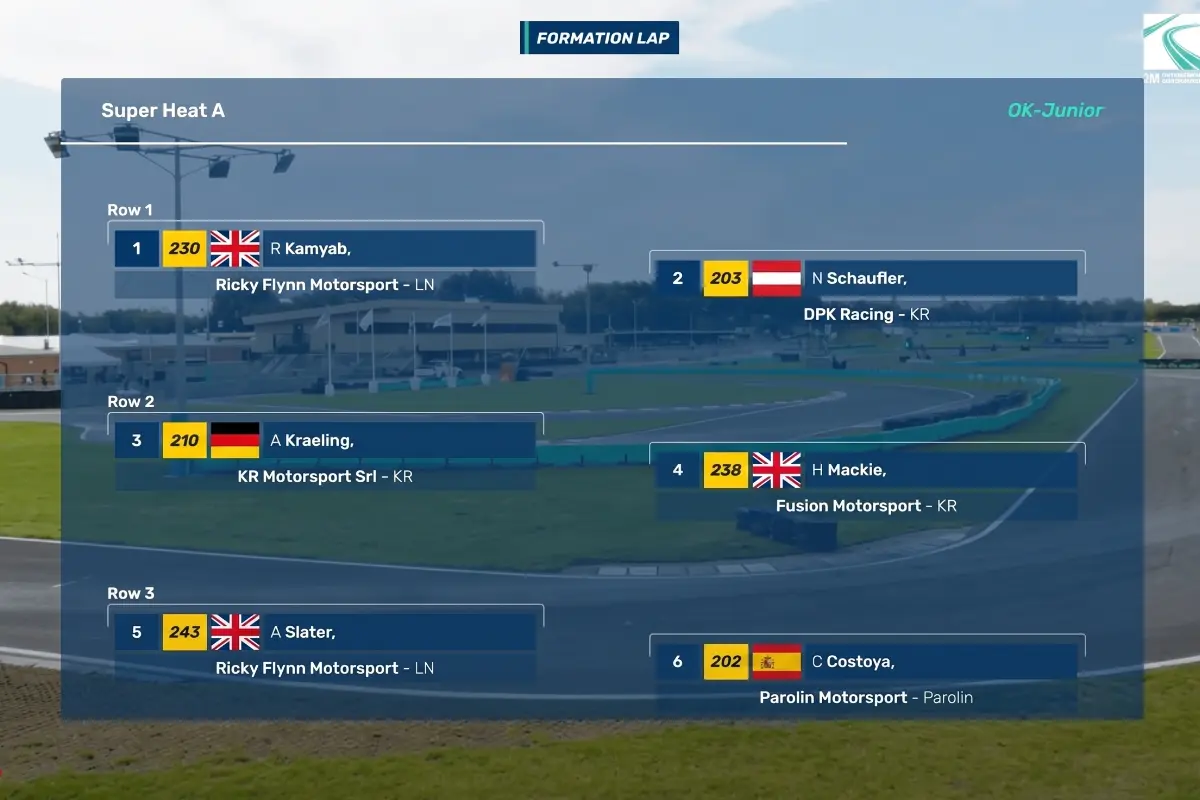
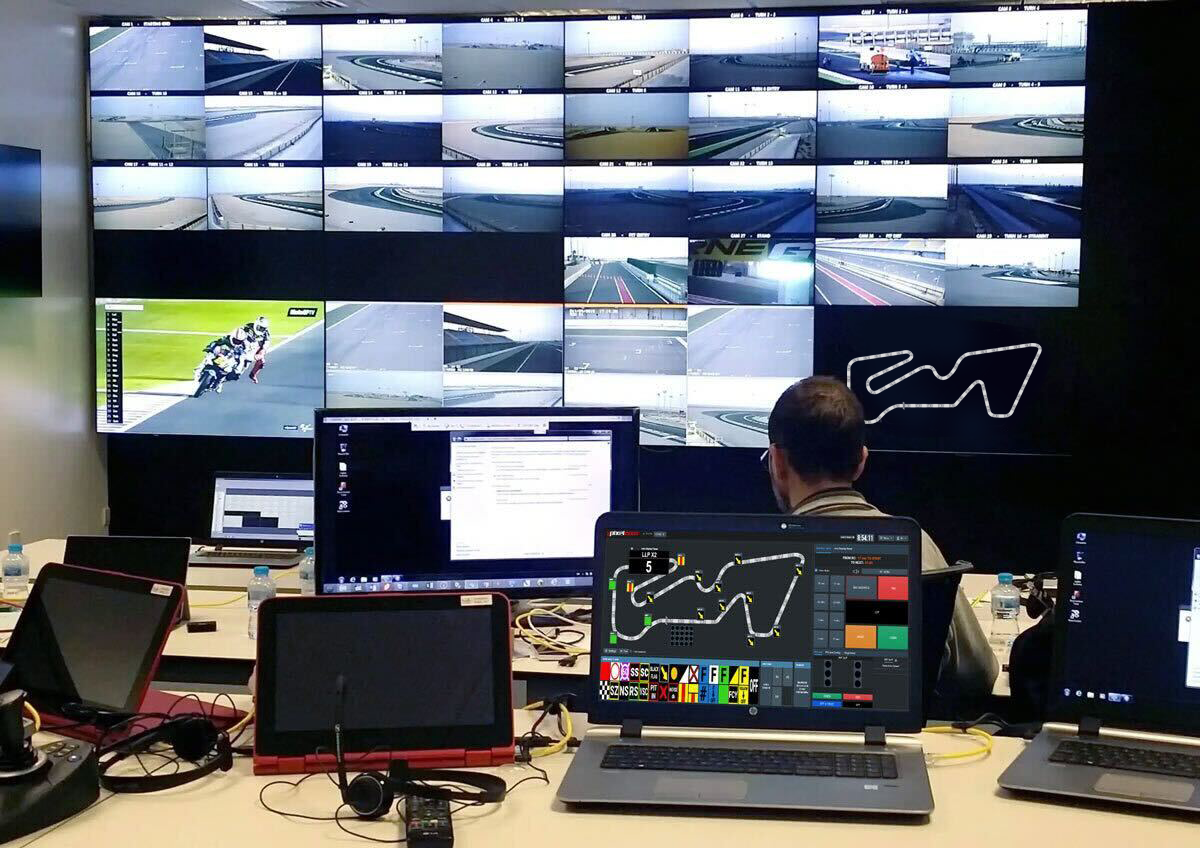
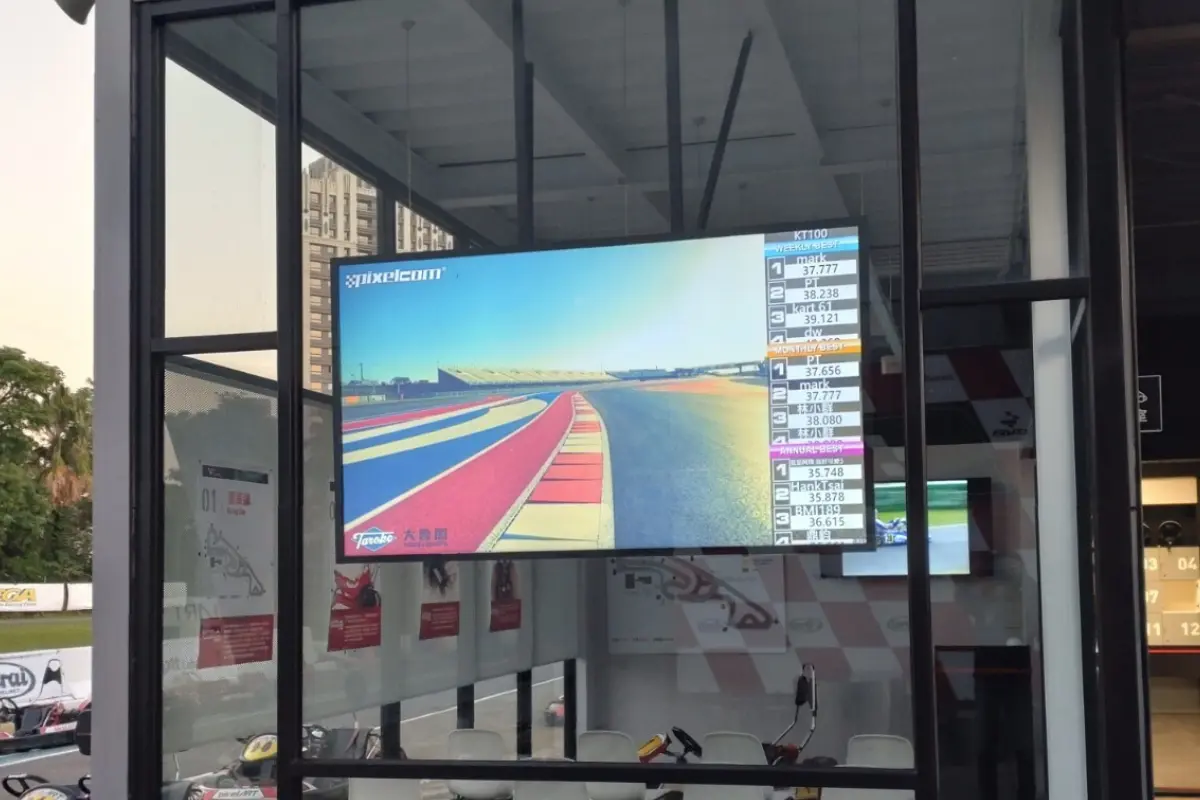
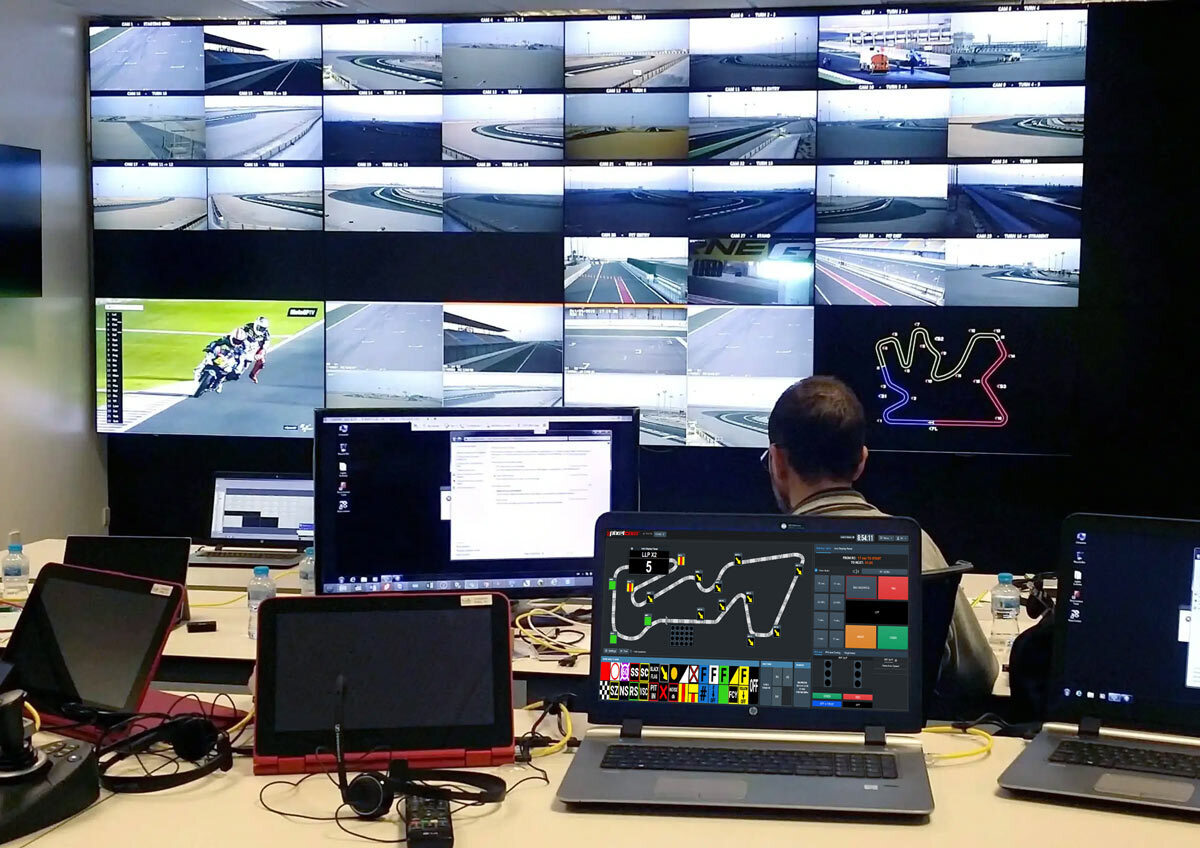
To reinforce this area, it helps to rely on specialised time and session control tools such as Timing Software for karting, which supports consistent operation and reduces day-to-day friction around sessions, timing and results.
What to measure to confirm improvement
- Average preparation time between sessions
- Number of stoppages per day
- Complaints or queries related to timing and results
2. Human error and signage: when safety depends too much on the shift
Track signalling is operational, but it is also reputational. When the process relies entirely on manual coordination, typical failures appear: late warnings, confusion around flags, inconsistent responses between shifts, or insufficient visibility for drivers. This is not criticism of the team; it is simply what happens in any operation with workload peaks and repetitive decisions.
Practical actions to reduce human error and standardise safety
Define clear protocols for common incidents. We should have a simple playbook for events such as caution, speed reduction, evacuation and re-entry.
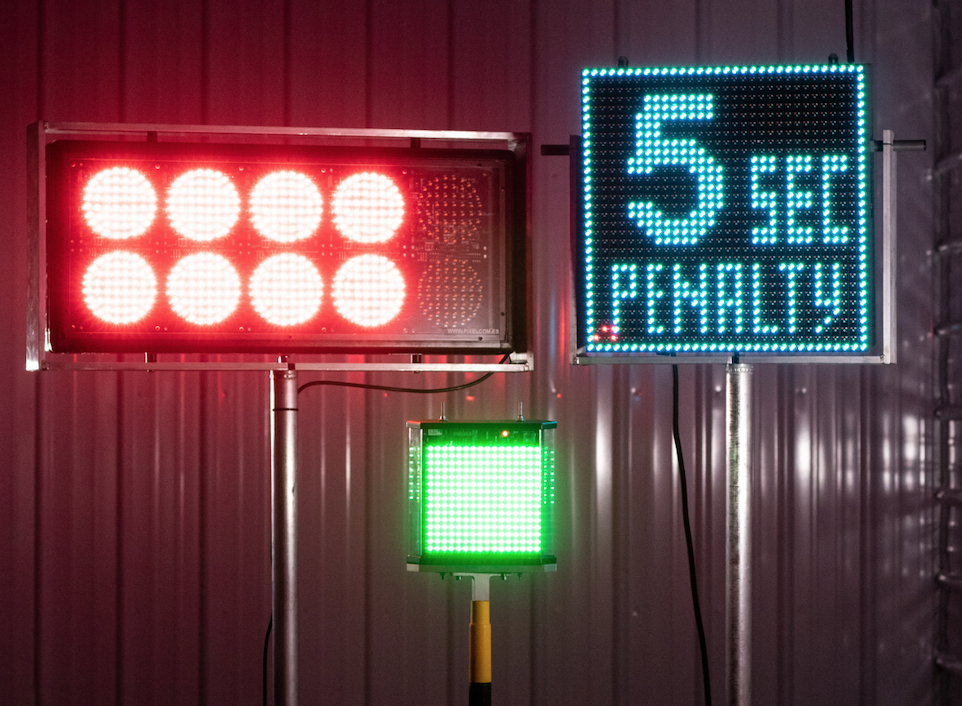
Reduce interpretation with more visible, standardised signalling. The fewer “grey areas” we leave, the fewer errors we see under pressure.
Train a “minimum viable” procedure for any shift. The aim is that essential actions are executed the same way regardless of who is on duty.
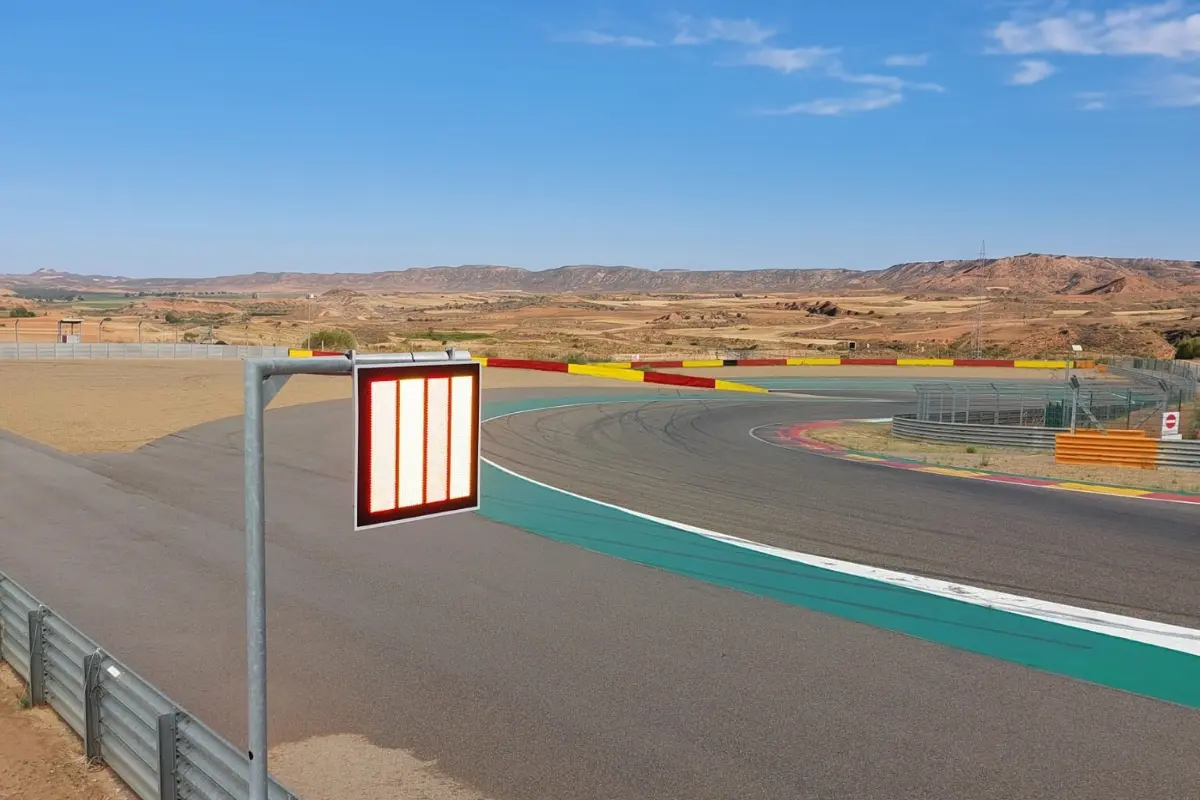
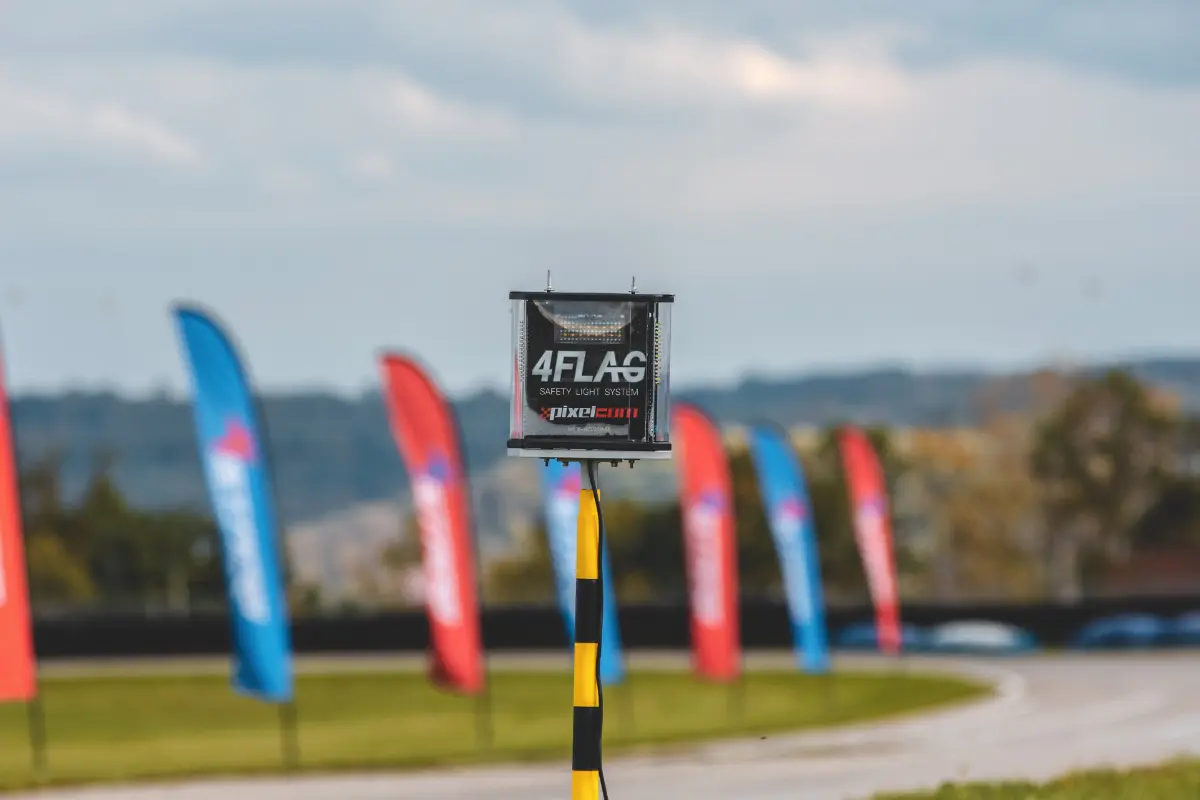
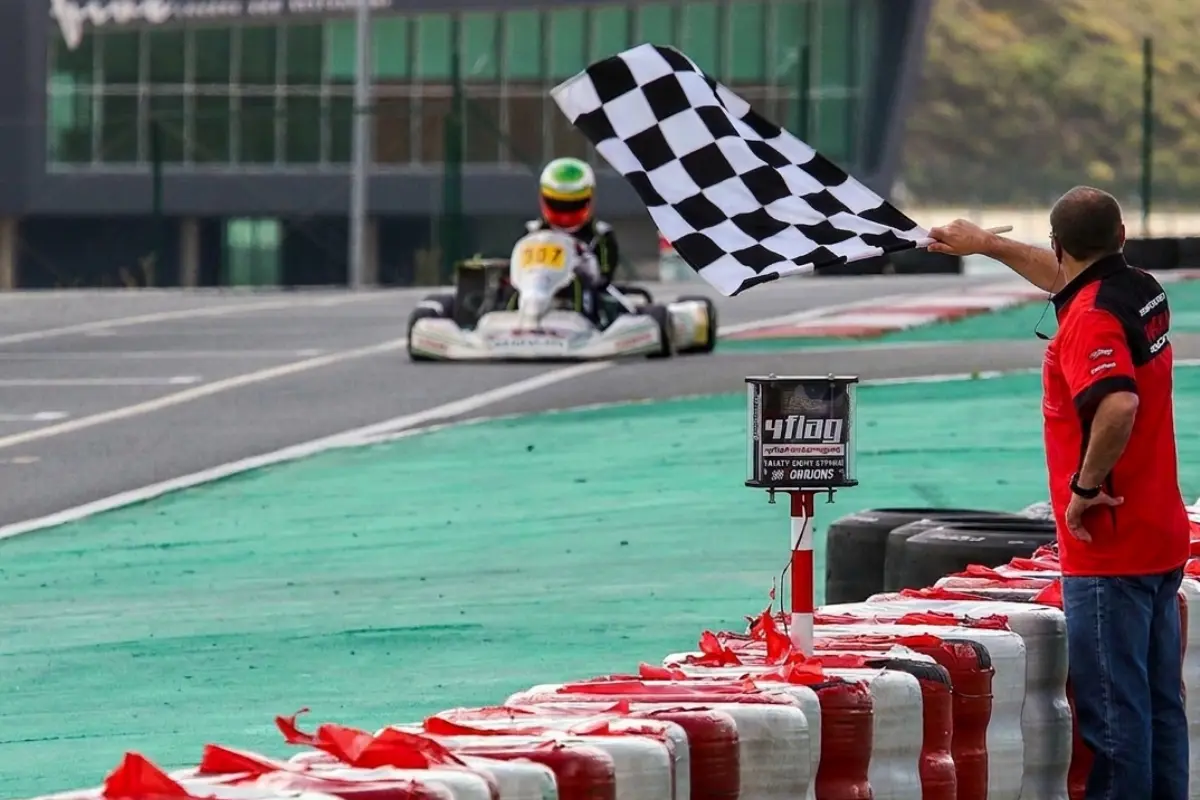
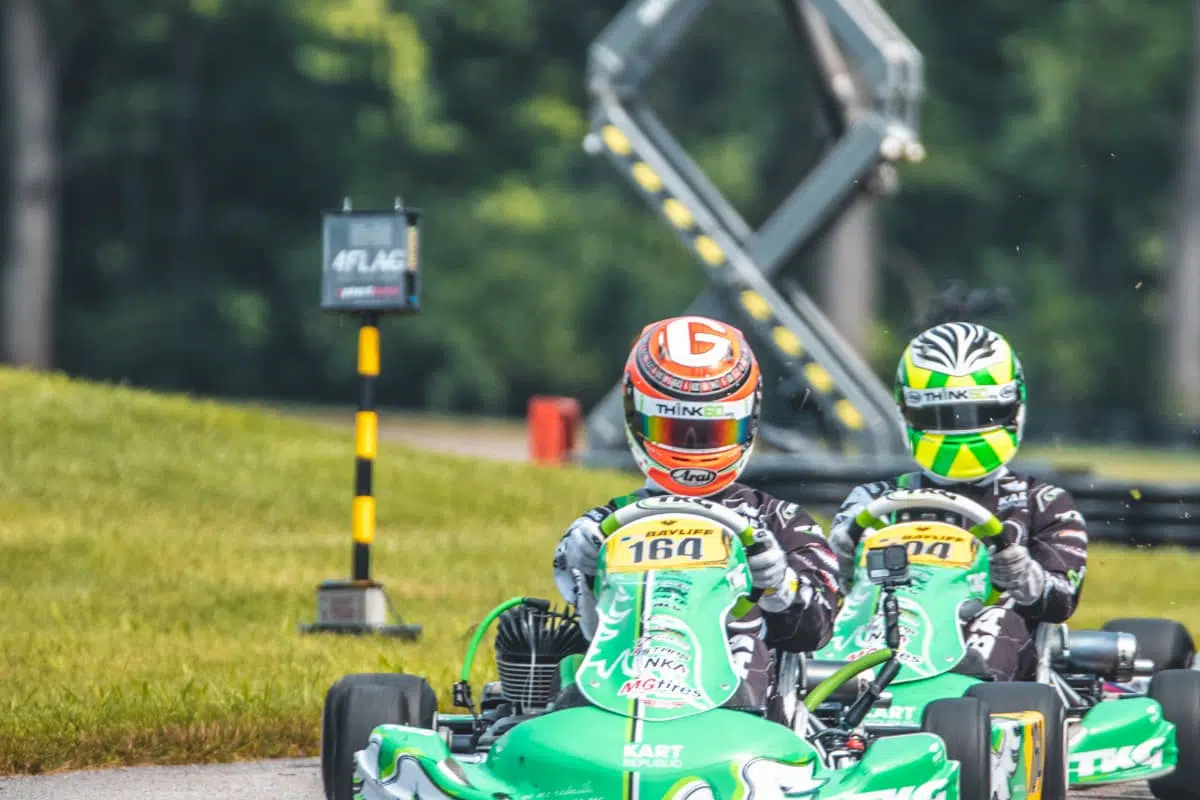
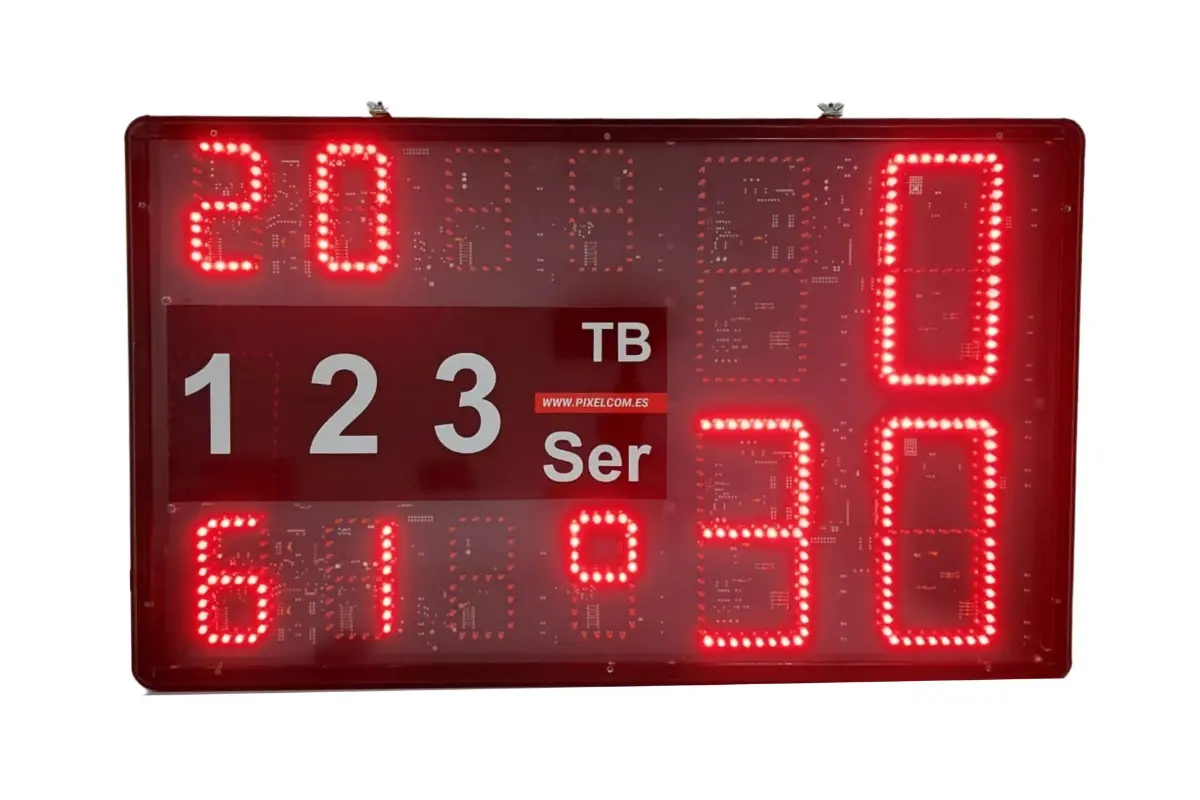
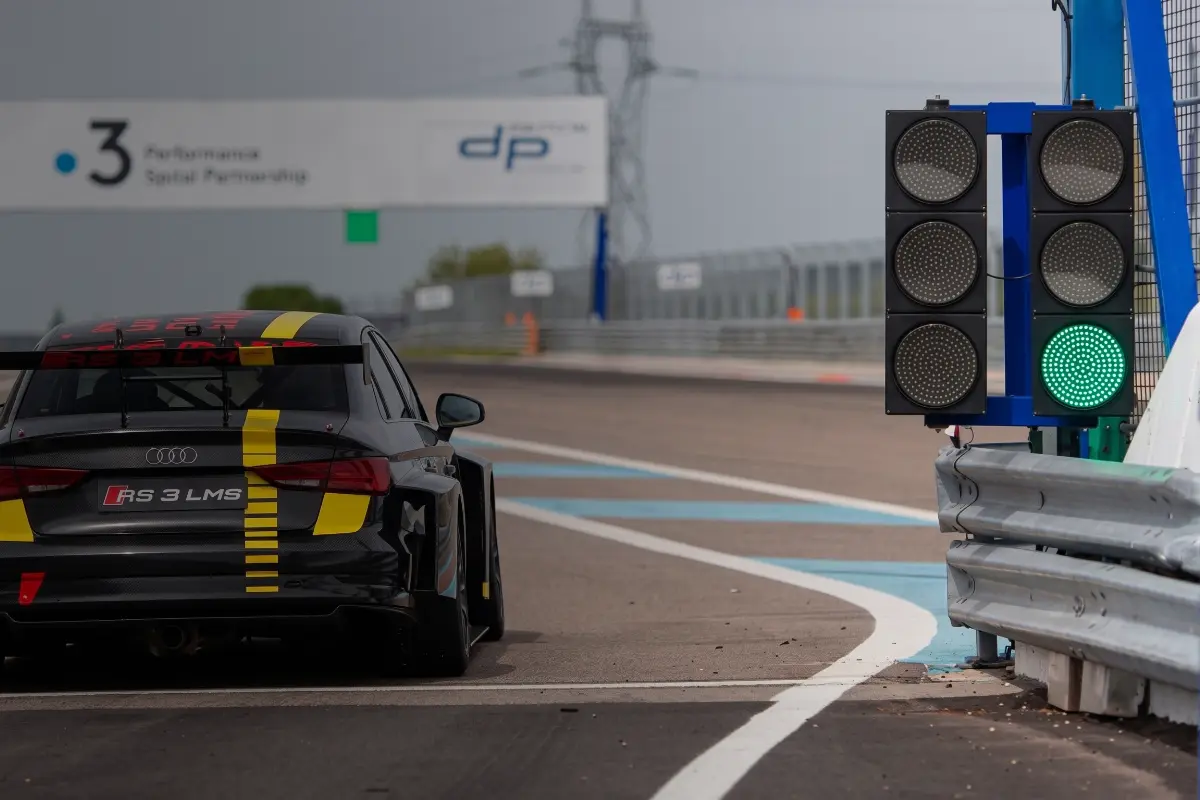
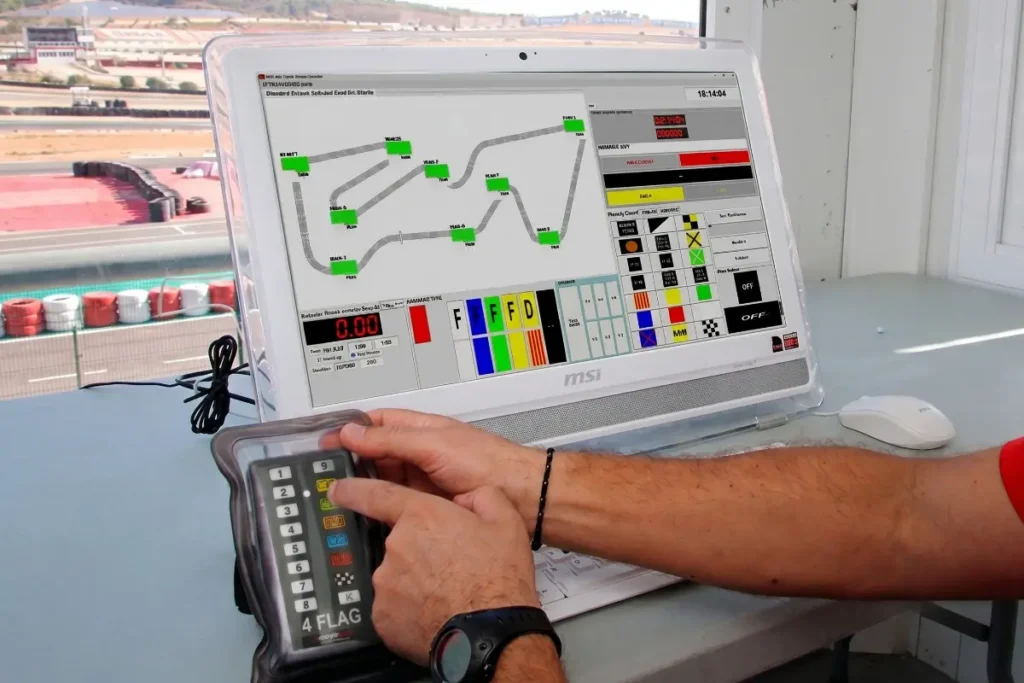
In this context, solutions such as the 4FLAGS V2 strengthen track communication and reduce the margin for error, which usually translates into fewer long stoppages and a more predictable operation.
What to measure to confirm improvement
- Average stop duration per incident
- Number of incidents that escalate
- Customer feedback (surveys or reviews) about organisation and safety
3. Downtime and manual tasks: the silent drain on turnover
This is often the biggest profitability killer, precisely because it does not look dramatic. Downtime rarely appears as a “major problem”: it is a few minutes between sessions due to slow coordination, repetitive notifications, constant checks or manual steps that could be simplified. But taken together, these minutes reduce real turnover. If we cannot run sessions smoothly, we lose billing capacity even when demand is high.
Practical actions to cut downtime without complicating operations
Map the real flow between sessions. We should observe what actually happens from the end of one session to the start of the next and identify bottlenecks.
Remove redundant manual steps and standardise communications. Many delays come from duplicated actions or unclear handoffs between reception and track.
Use alerts and operational coordination to reduce “waiting due to uncertainty”. If staff wait because they are unsure what is happening, we lose minutes. Alerts help convert uncertainty into action.
This is where tools focused on track operation and coordination—such as Track App—can help streamline processes and reduce daily friction while keeping the workflow simple.
What to measure to confirm improvement
- Average time between sessions
- Effective sessions per hour at peak times
- Staff hours spent on repetitive tasks
Frequently asked questions
What is the difference between karting software and a booking system?
A booking system helps capture demand. Karting software focuses on execution: session control, safety, coordination and efficiency. They are complementary, but not substitutes.
Which of the three problems should we tackle first?
It is usually most effective to start with what disrupts rhythm most often: avoidable operational incidents and downtime. Once flow stabilises, the rest improves with less effort.
How do we prevent technology from complicating operations?
The key is phased implementation supported by metrics: first basic control, then protocols and signalling, and finally efficiency. If we do not measure, we risk adding “layers” without results.
If we want higher profitability without squeezing the team or relying on luck, we need to protect rhythm and predictability. By reducing avoidable incidents, standardising signalling and cutting downtime, we improve the customer experience and increase effective turnover—two outcomes that typically move margins in the right direction.