Safety on karting circuits is a key factor in both training and official competitions. An inadequately prepared circuit or insufficient measures can increase the risk of accidents, putting drivers and technical staff at risk. To ensure safe and smooth racing, organisers implement a combination of regulations, specialised equipment and advanced technology.
In this article, we explore the essential aspects of karting safety and how technological solutions such as Pixelcom’s help to improve circuit management.
1. Key elements of safety at karting circuits
To minimise risk and optimise incident response, circuits must meet a number of requirements:
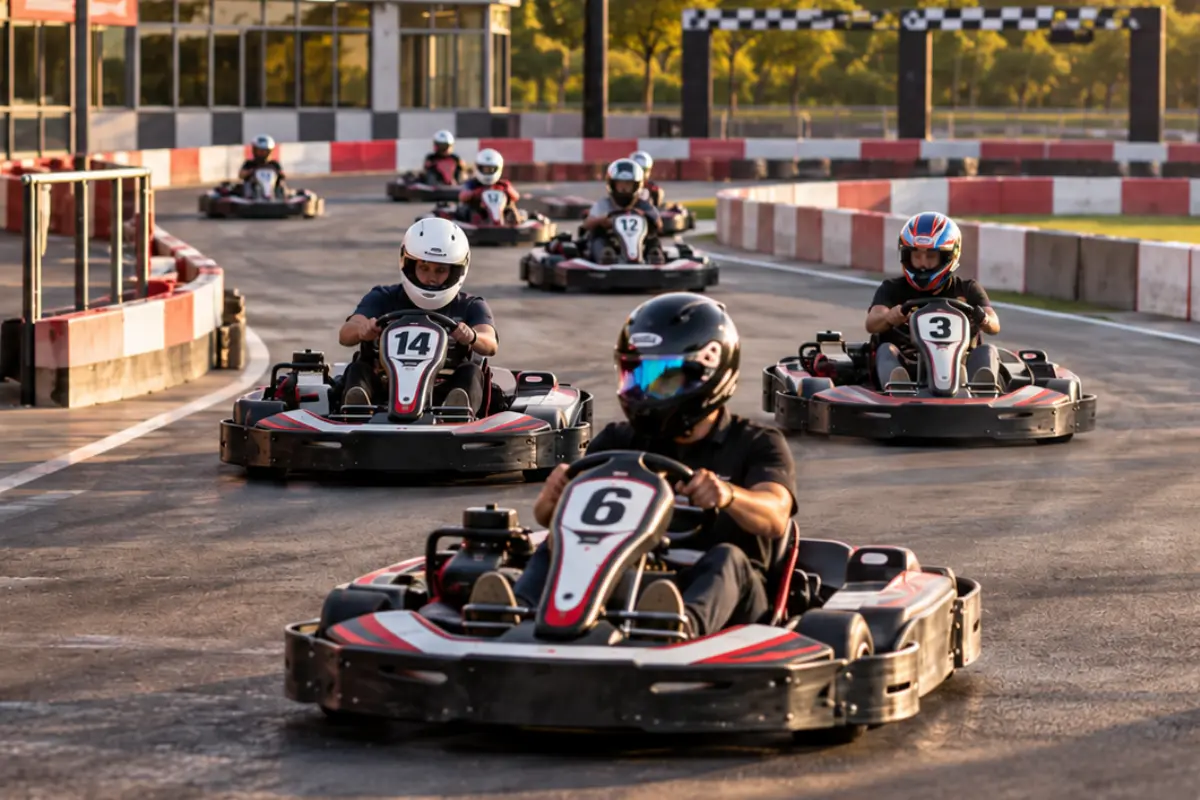
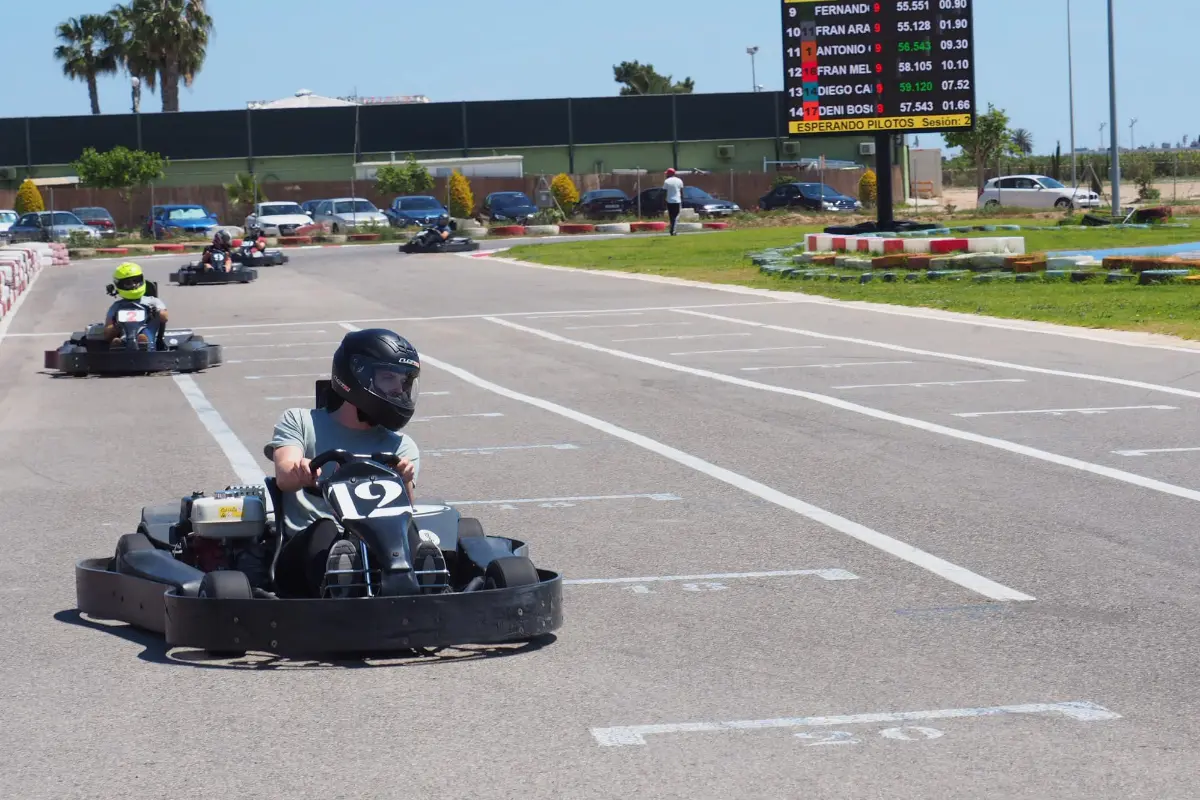
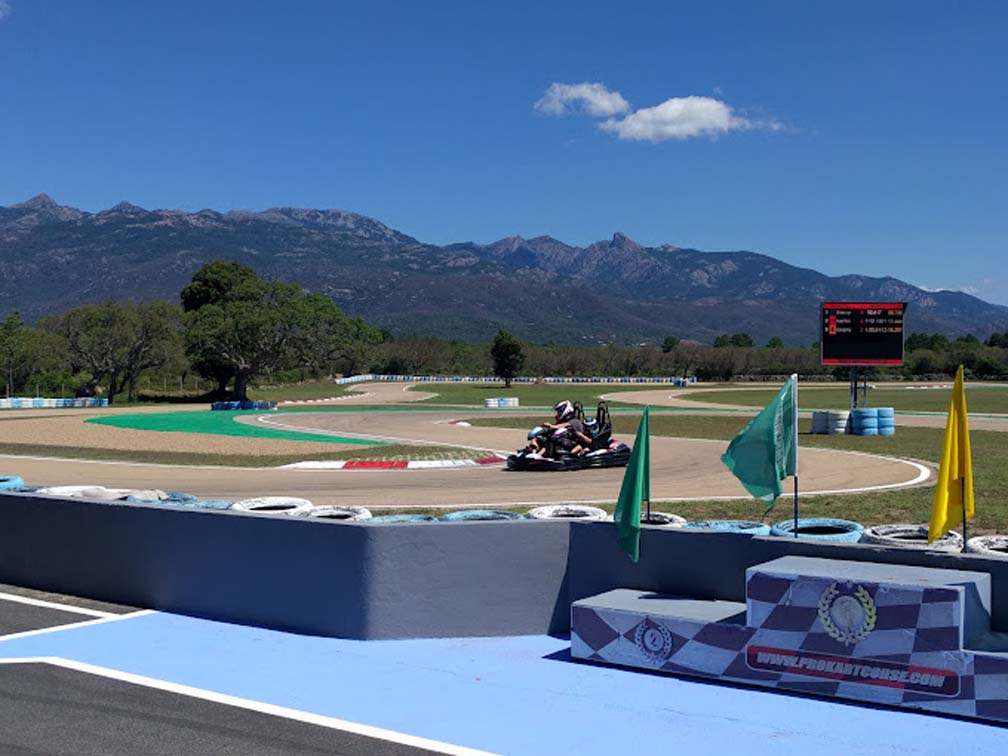
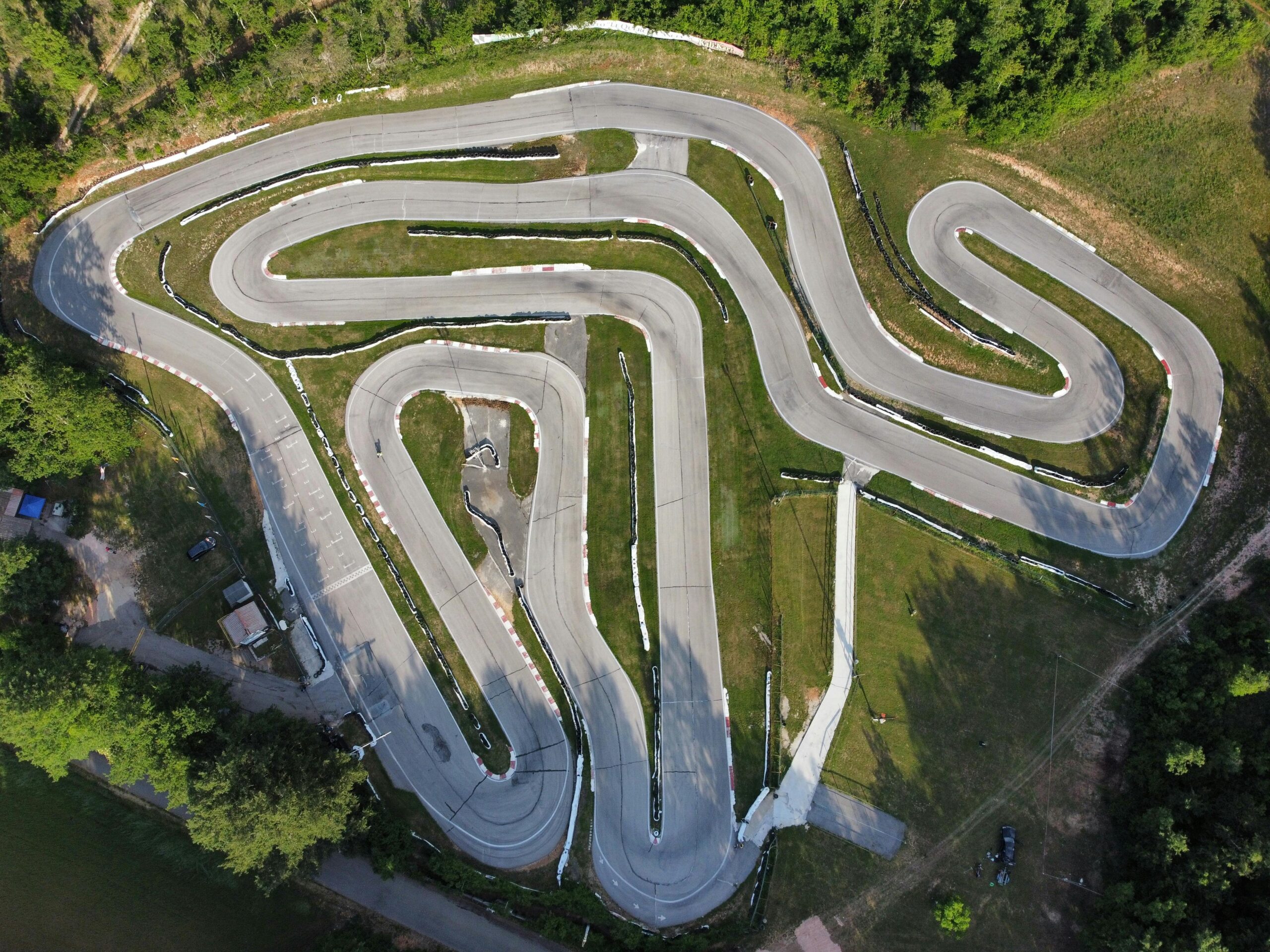
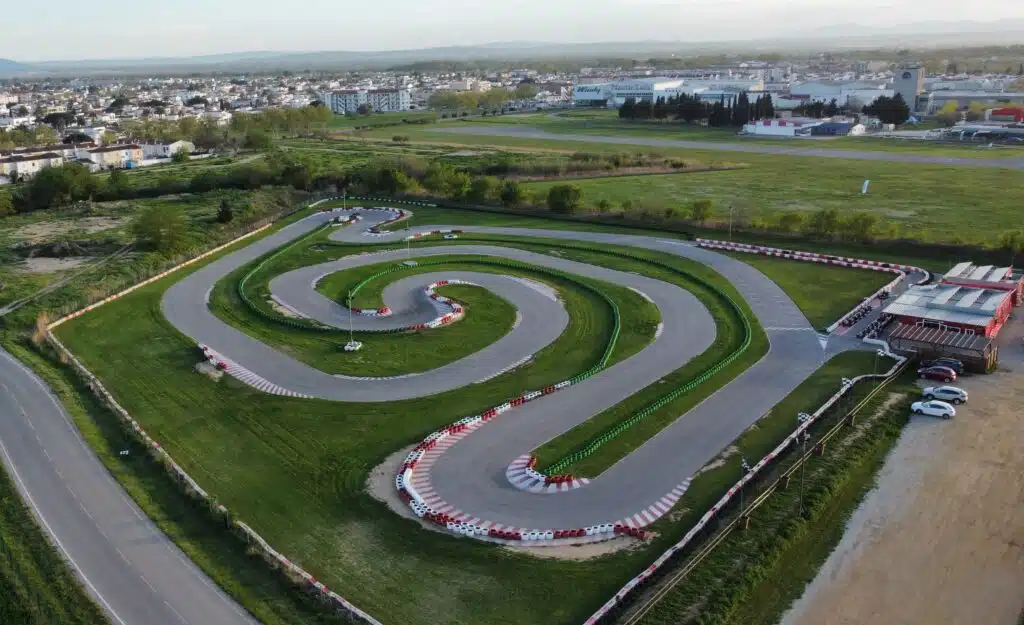
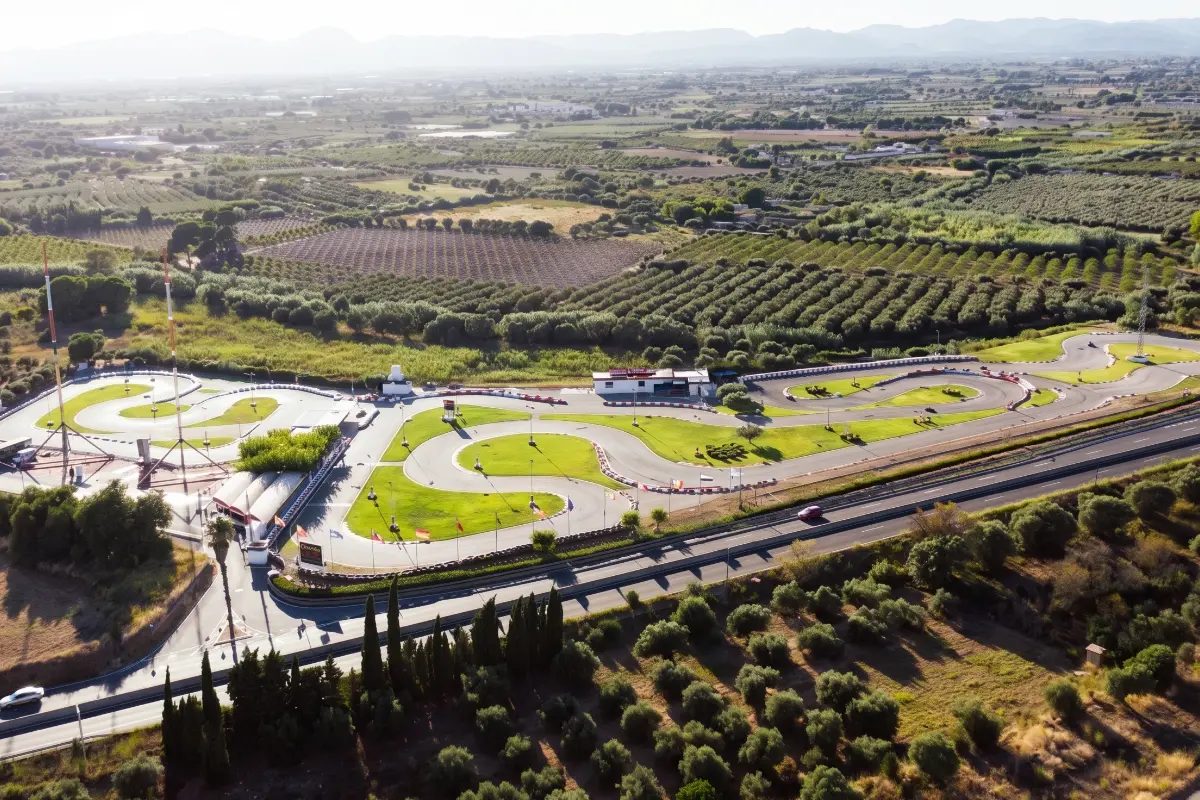
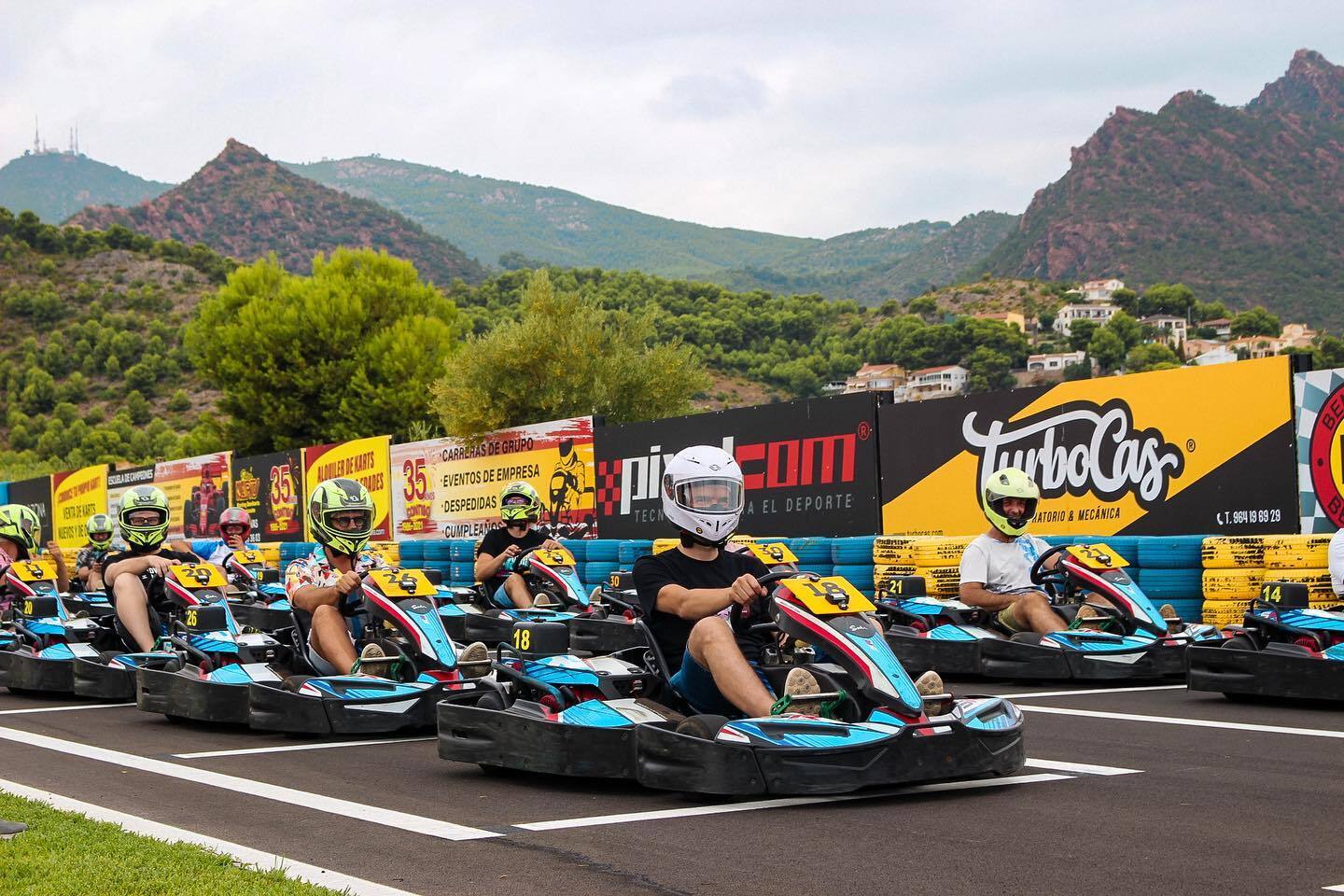
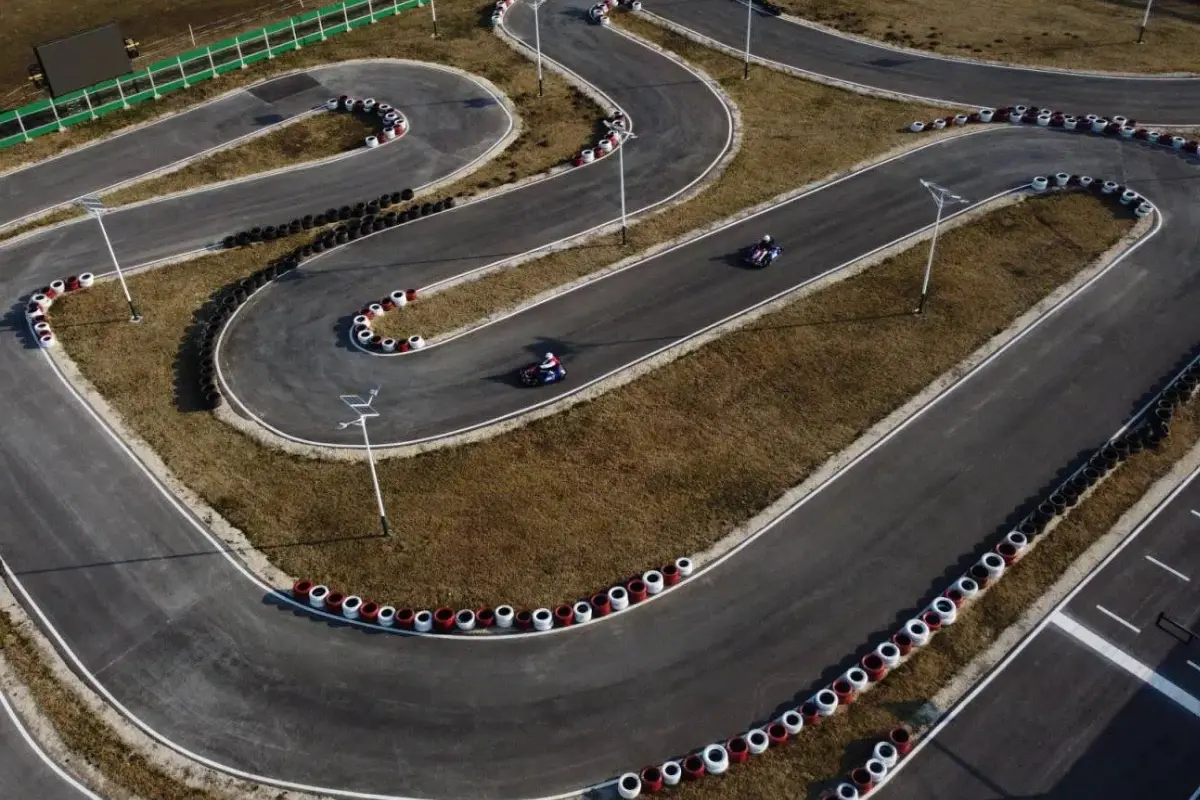
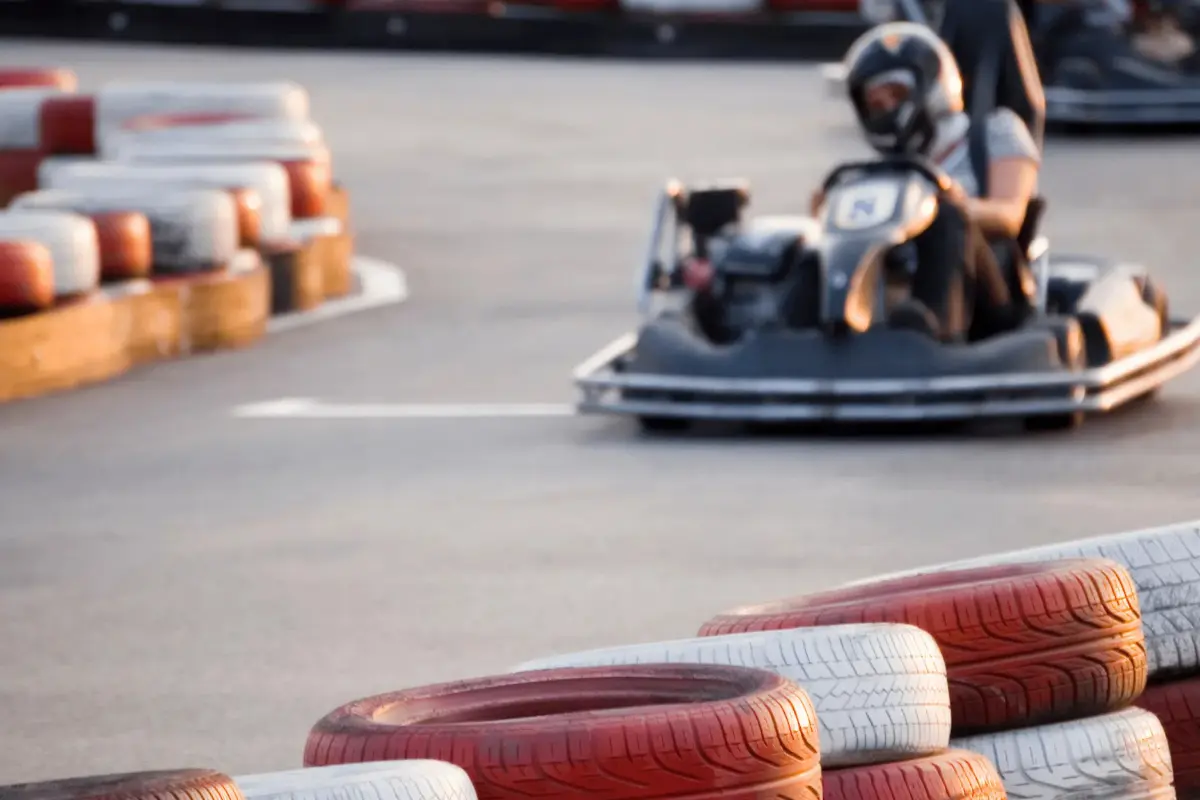
- Track design: A circuit must have adequate run-off areas, safe corners and a surface free of irregularities that could affect the stability of the karts.
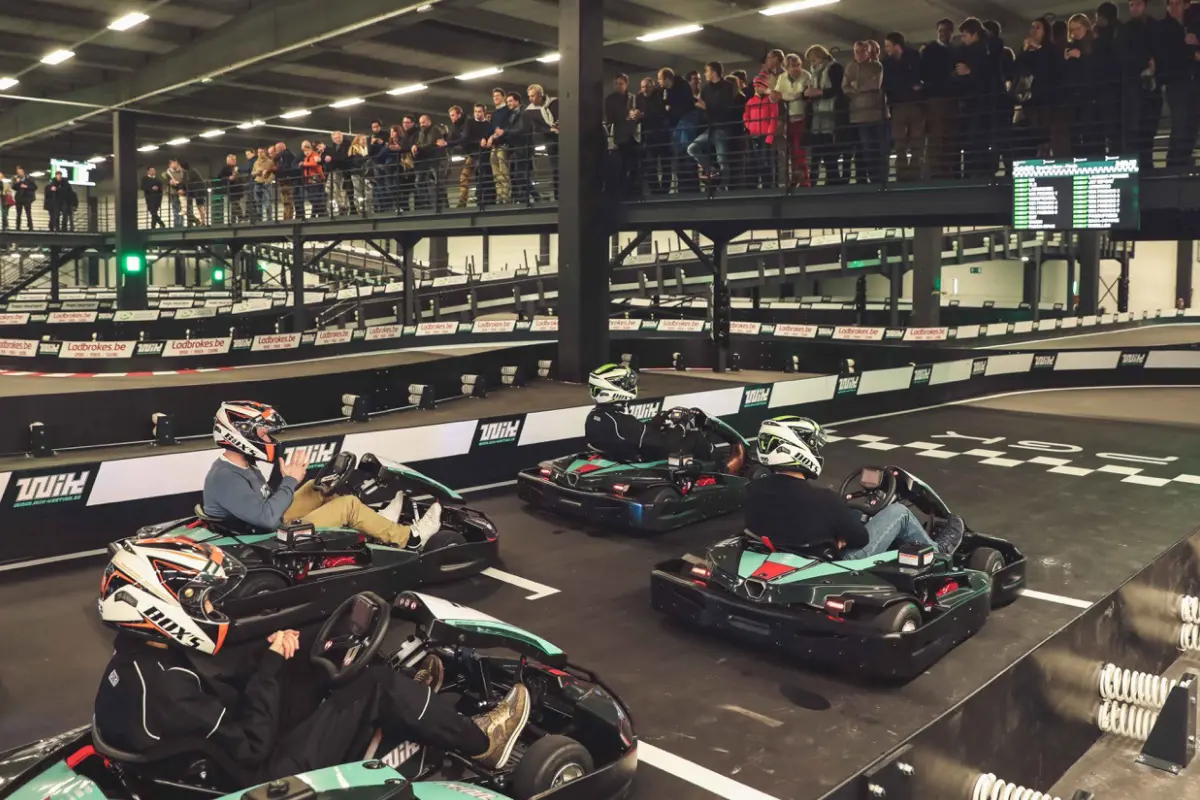
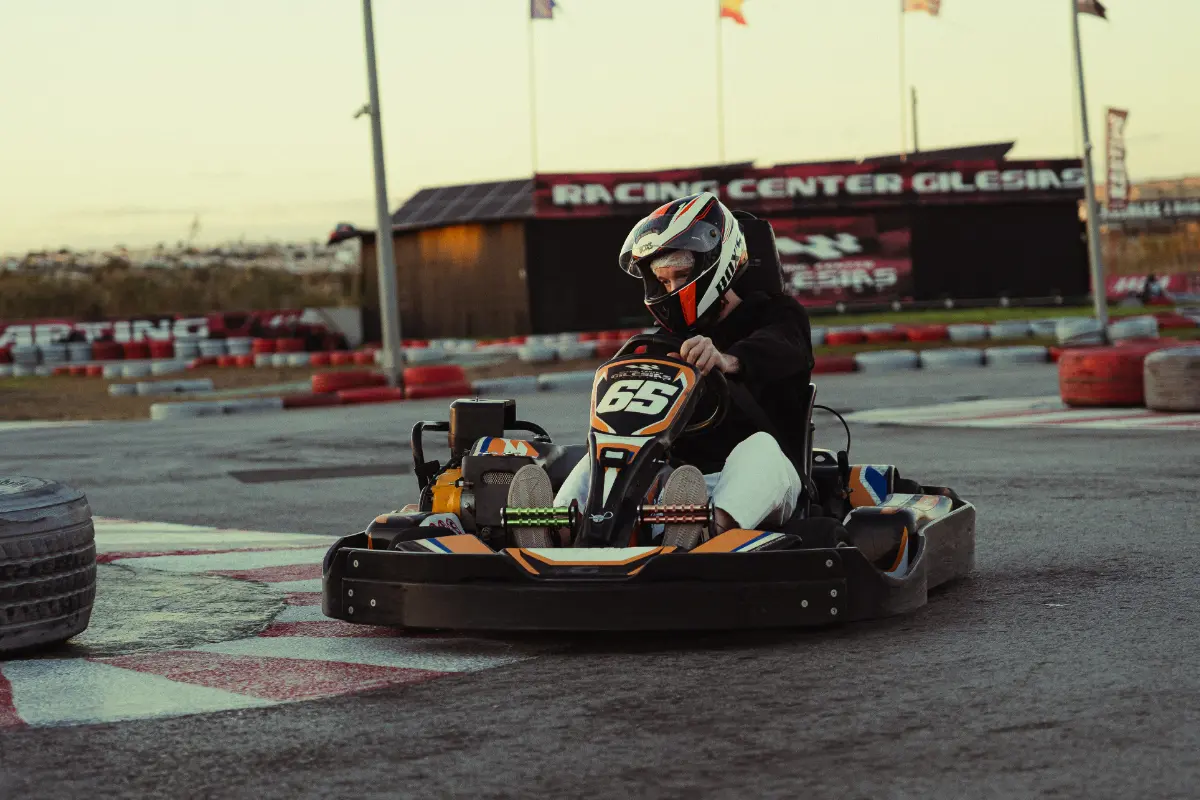
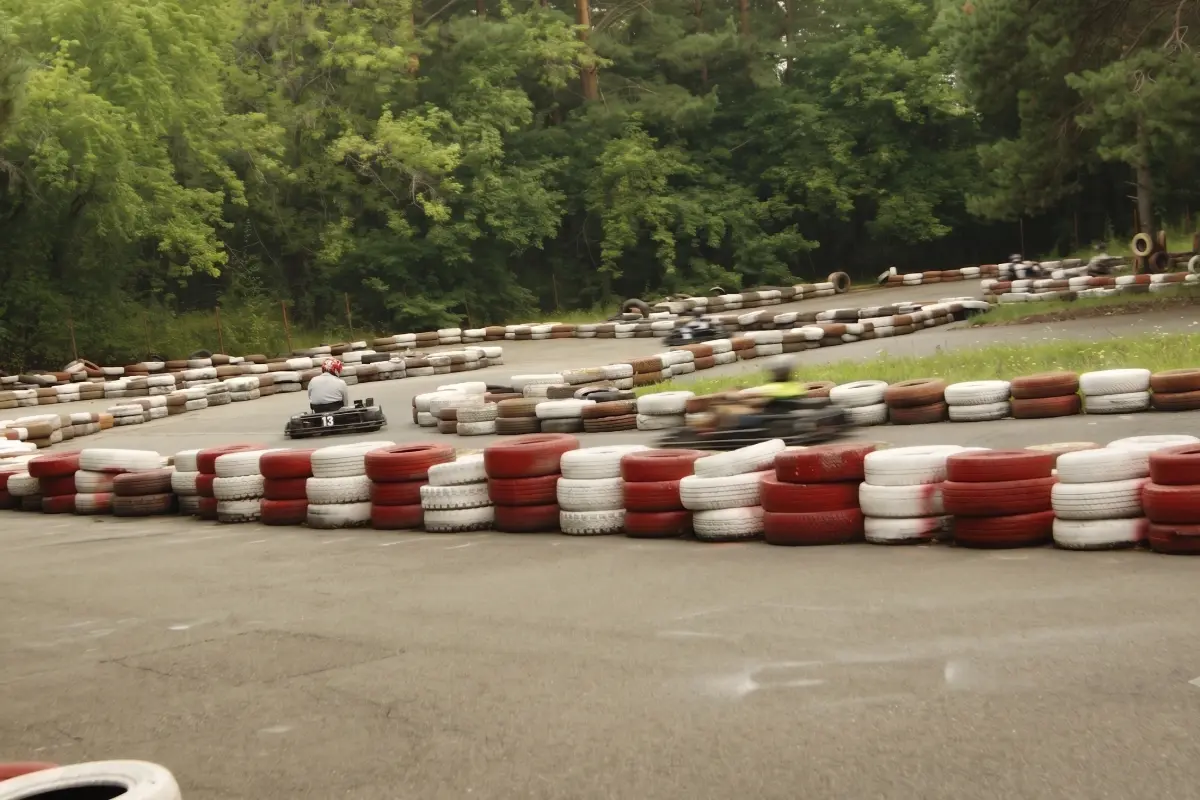
- Protective barriers: Stacked tyres, Tecpro barriers or absorbent structures are used to reduce the impact in the event of a run-off.
- Escape areas and kerbs: Escape areas help to reduce speed in the event of a run-off, while kerbs delimit the limits of the track without compromising safety.
- Asphalt with good grip: Adequate pavement prevents unnecessary sliding and makes it easier to control the kart in tight corners or high-speed areas.
2. Regulations and safety measures for riders
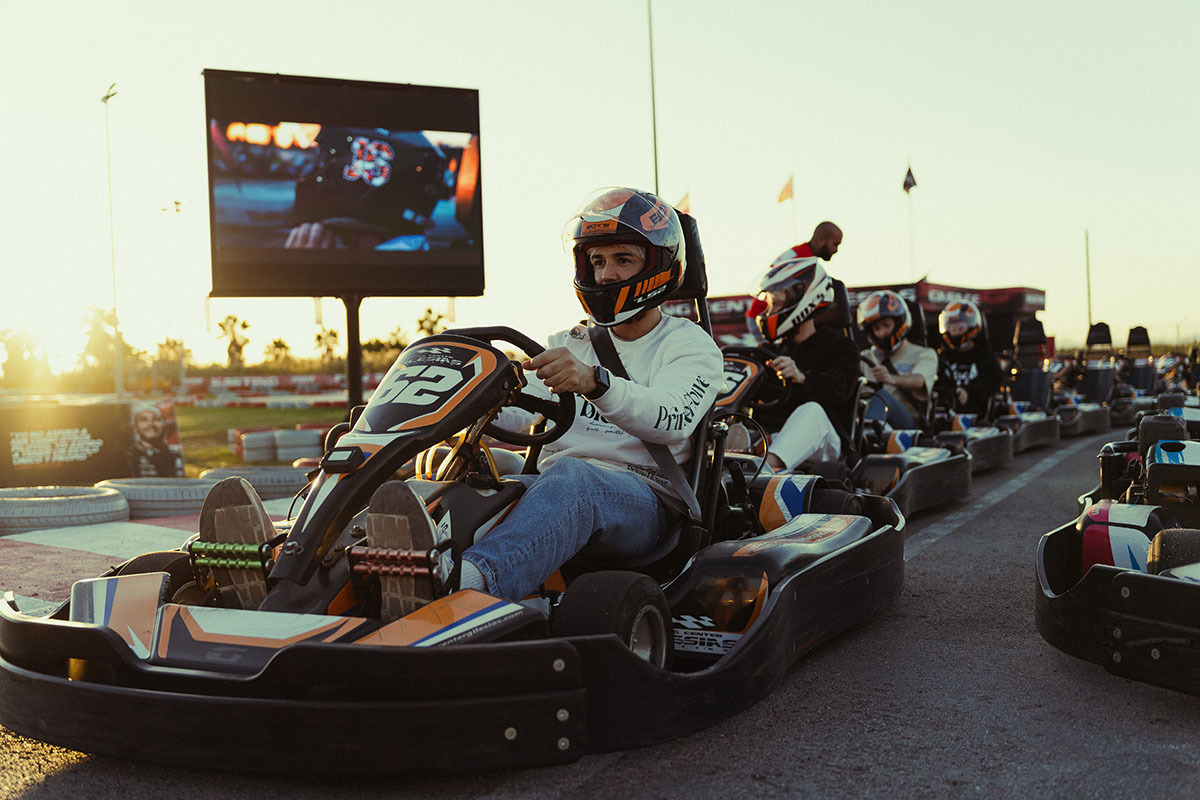
In addition to the circuit infrastructure, riders must comply with mandatory equipment to ensure their protection in the event of an accident.
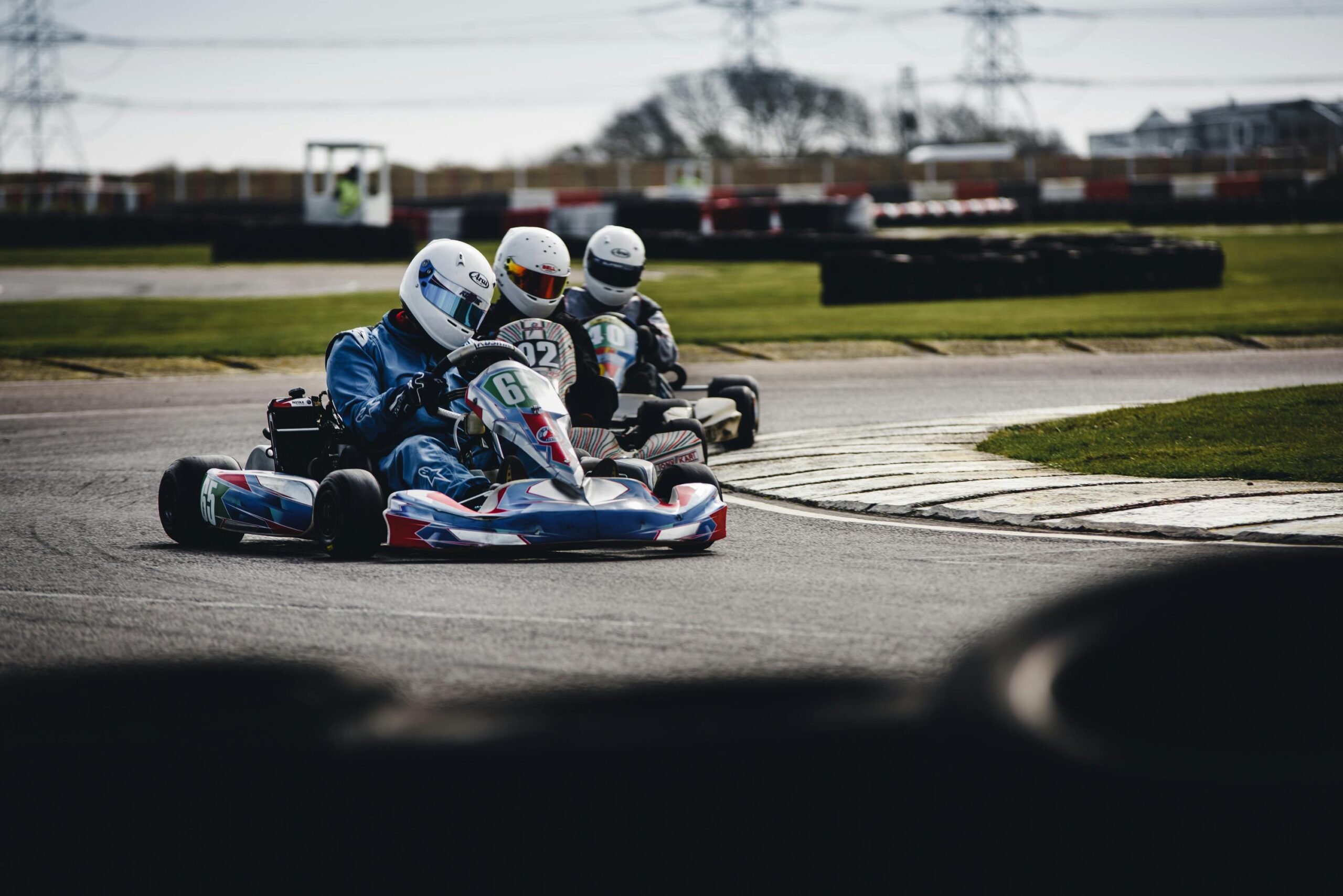
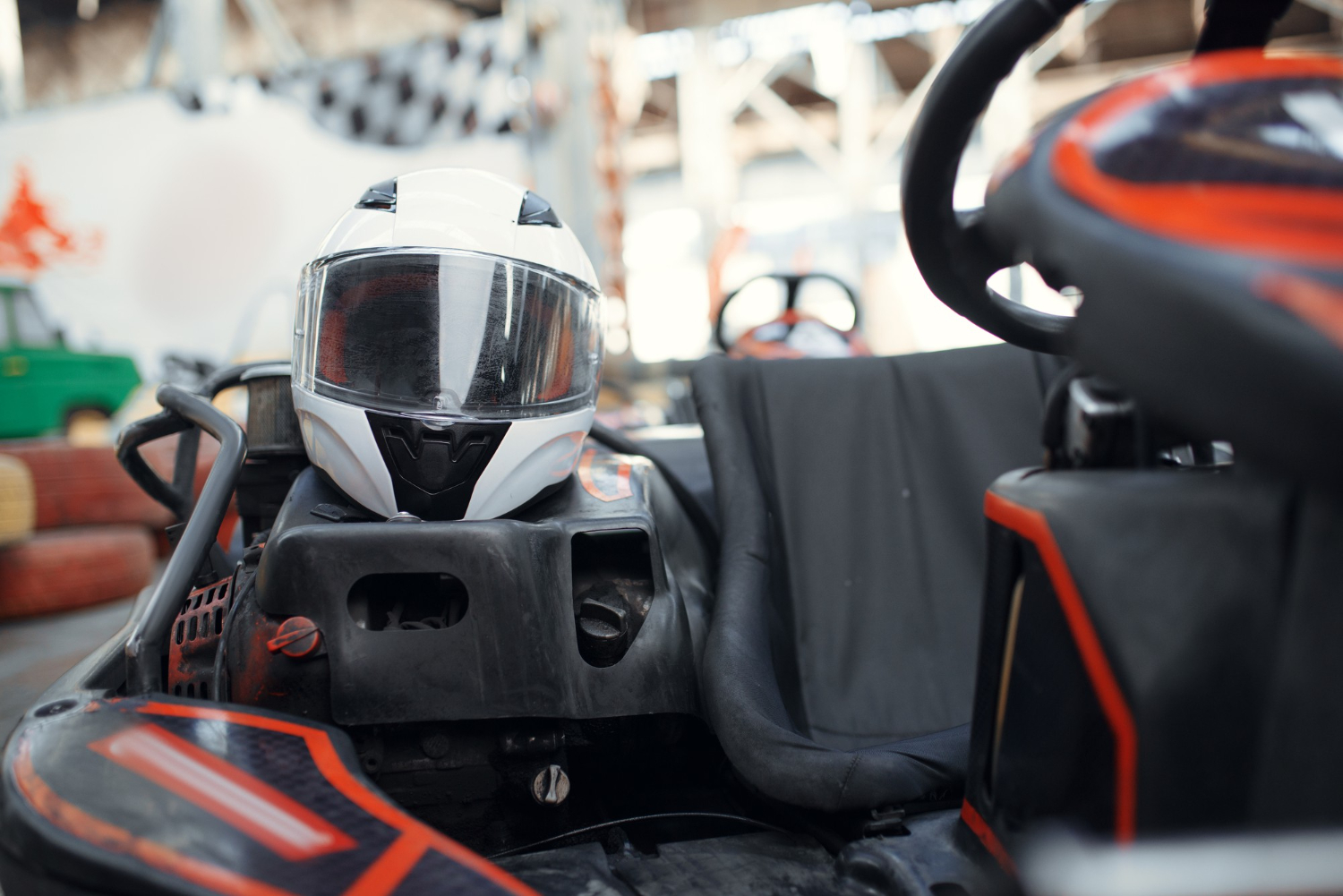
- Homologated helmet: Must comply with FIA regulations and offer full protection.
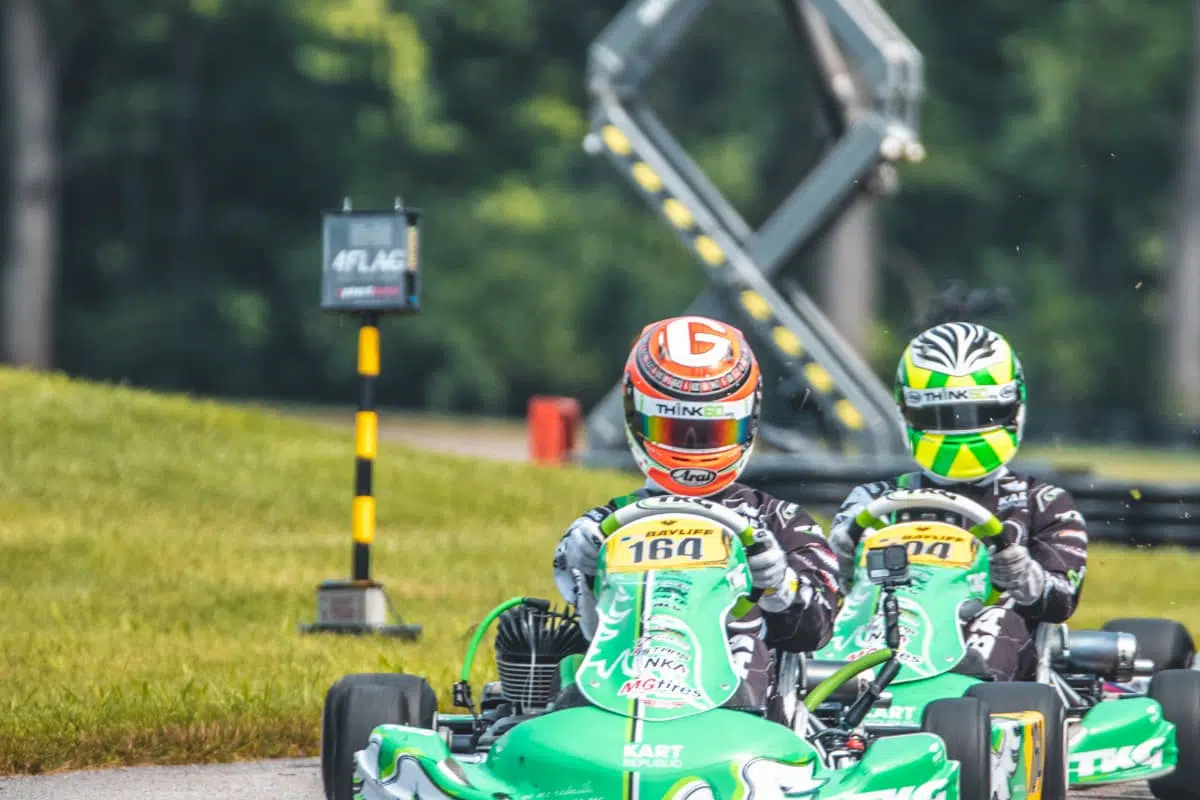
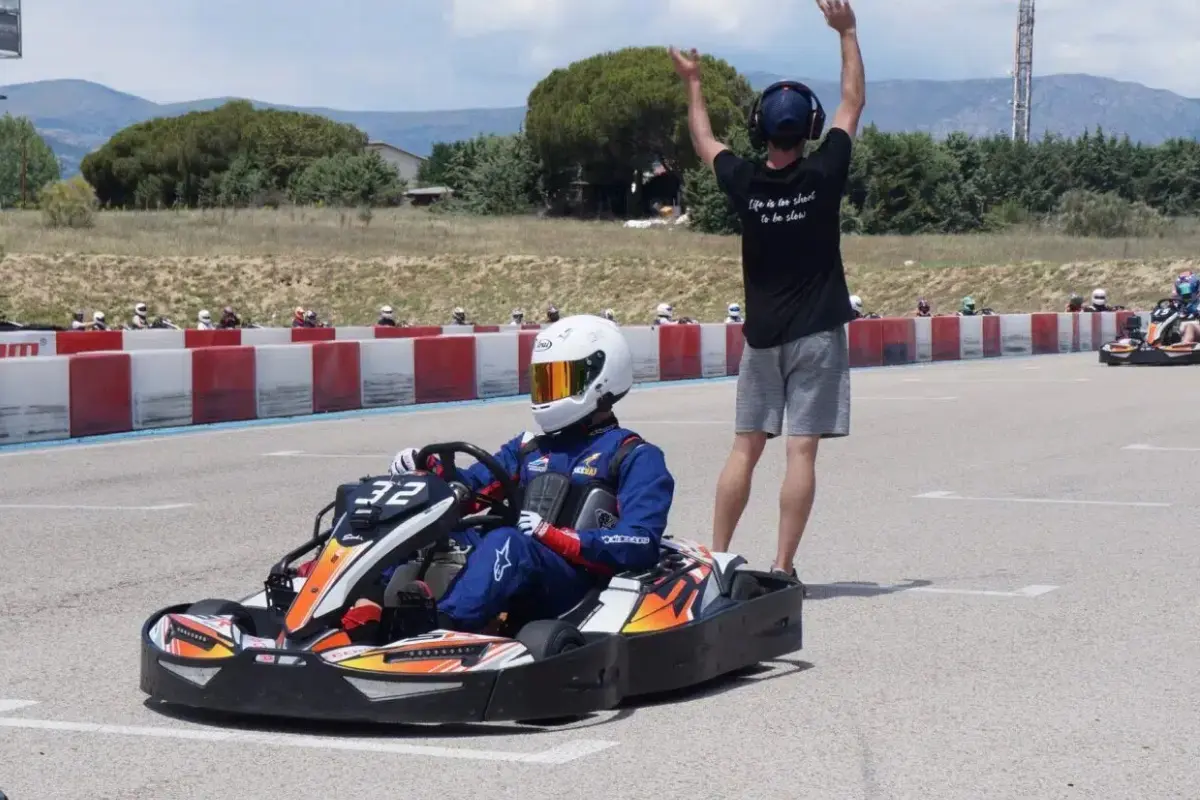
- Flame retardant suit: Protects against heat and possible abrasions in the event of a fall.
- Reinforced gloves and boots: Improve grip and safety in the handling of the kart.
- Cervical and rib protection: This is essential in the lower categories to avoid injuries in side impacts.
The official championships also have strict rules on track behaviour, penalising dangerous manoeuvres or unsporting behaviour.
3. Technology applied to karting safety
Safety on karting circuits has improved significantly thanks to the implementation of new technologies. Among the most commonly used tools are
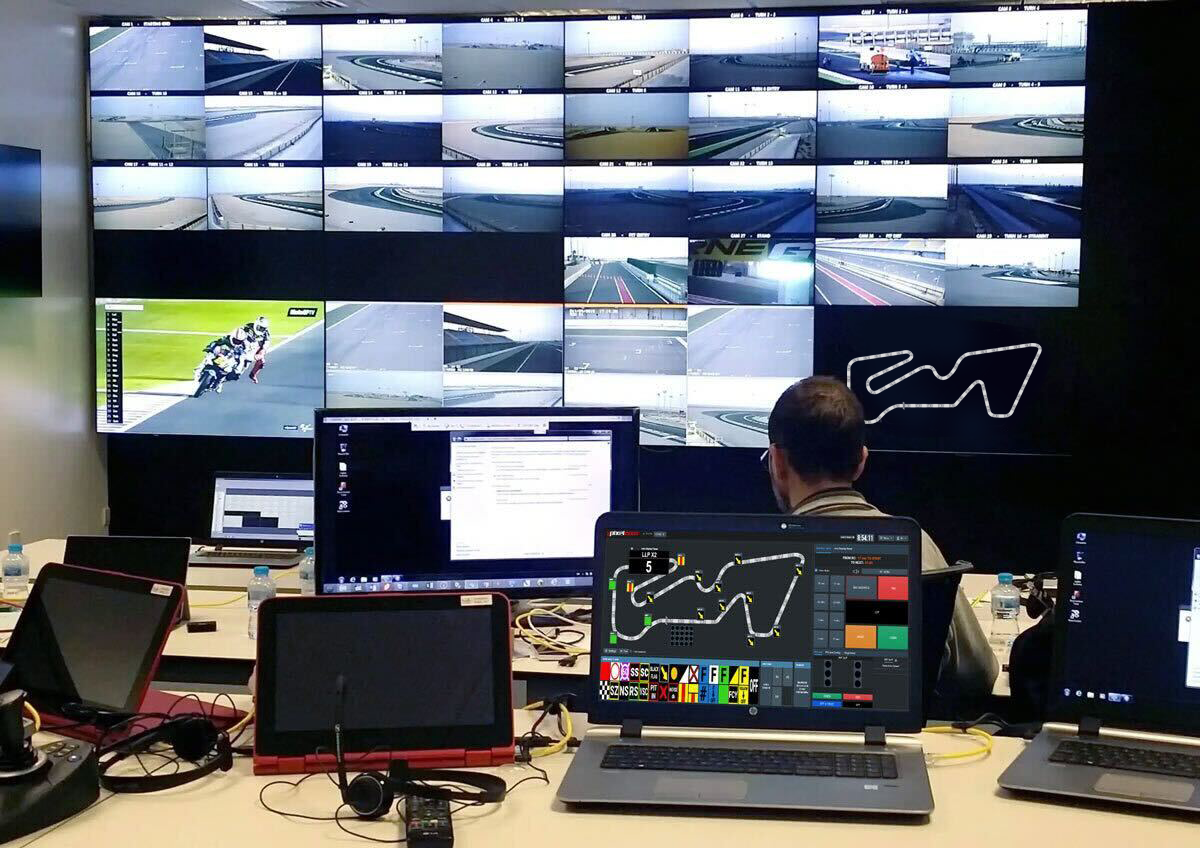
- Real-time communication systems: These facilitate coordination between race management, marshals and teams, allowing rapid intervention in the event of incidents.
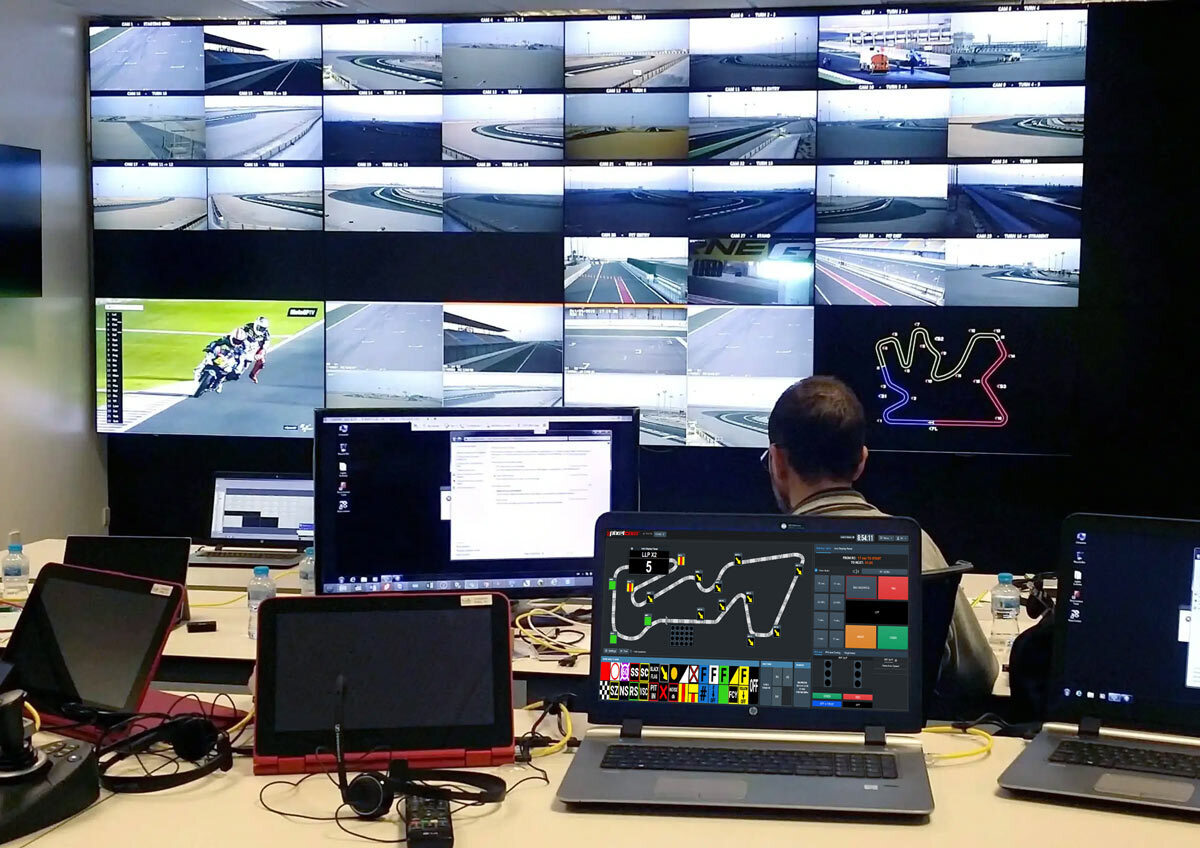
- Video surveillance cameras: These allow the track to be monitored from different angles and detect possible infringements or risk situations.
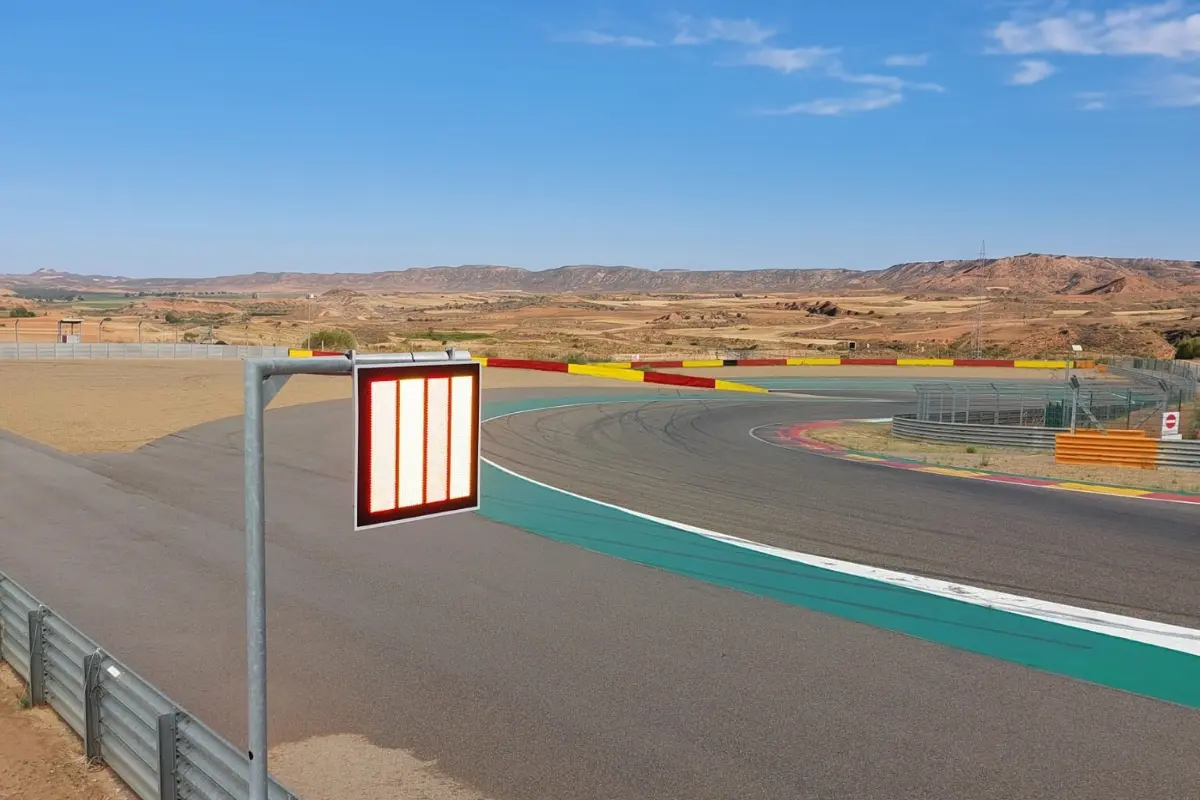
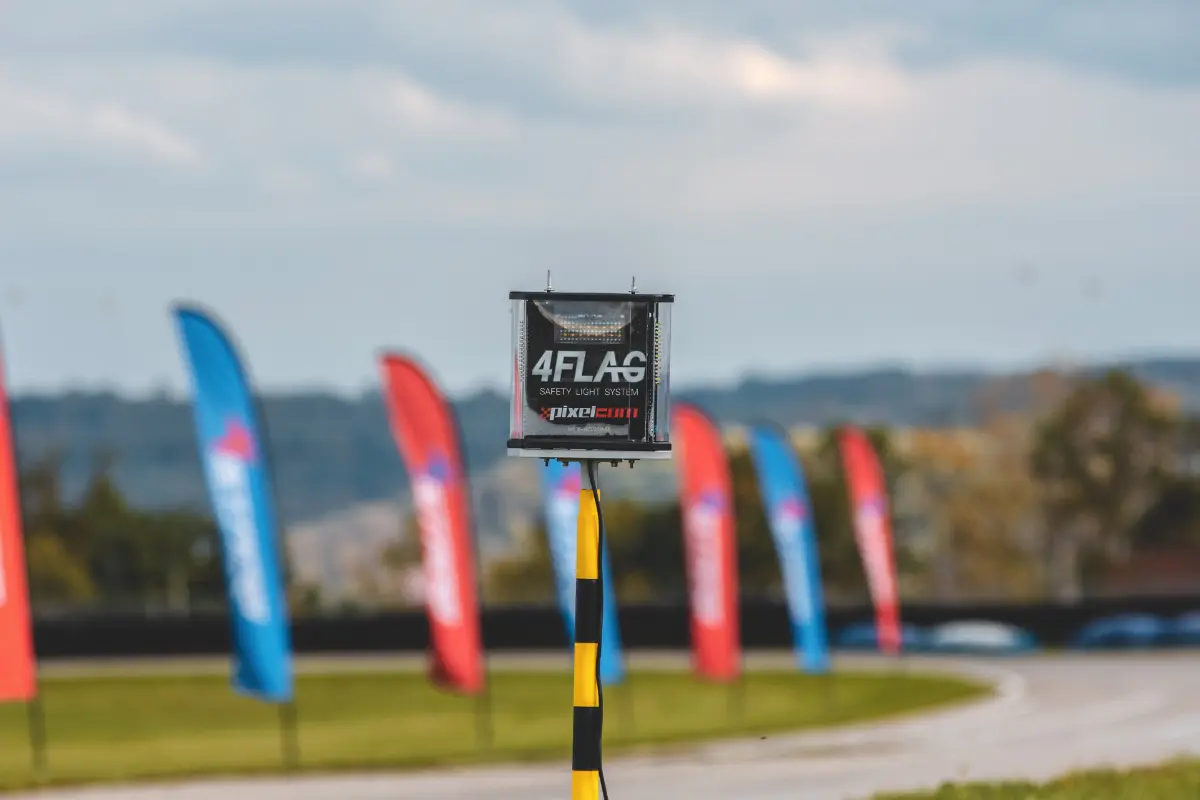
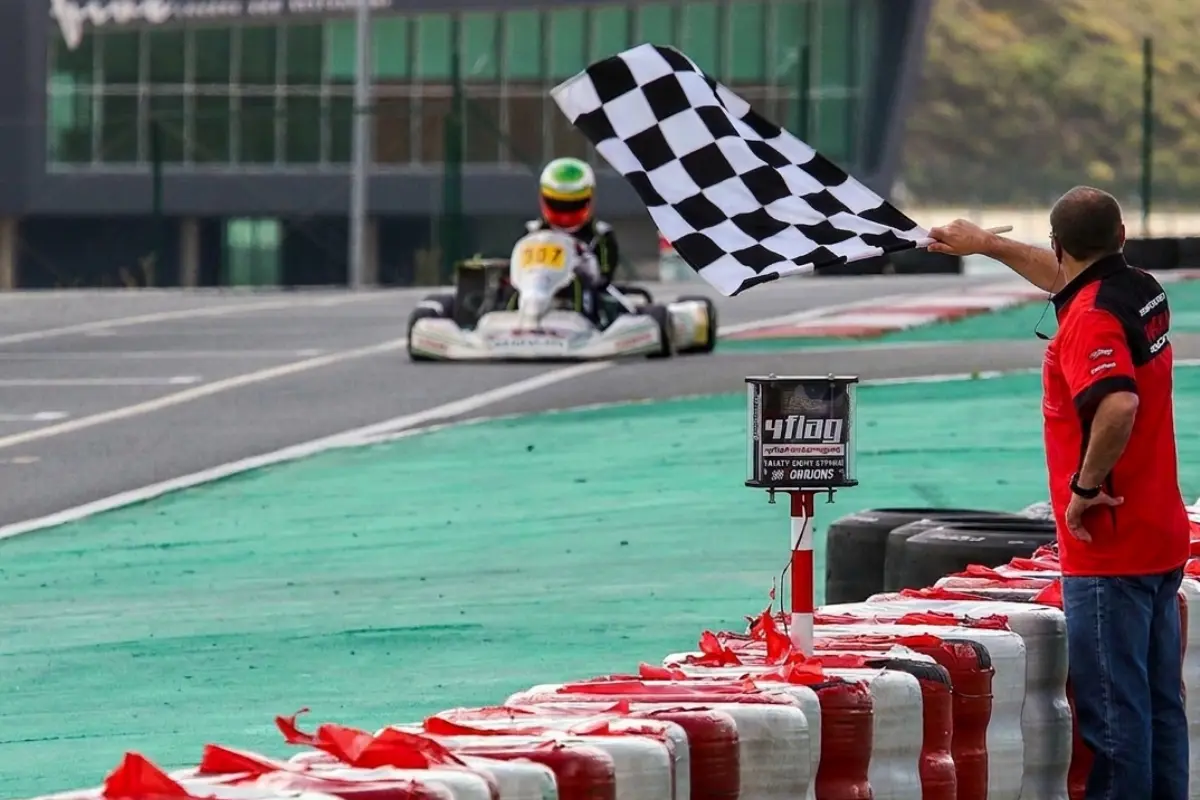
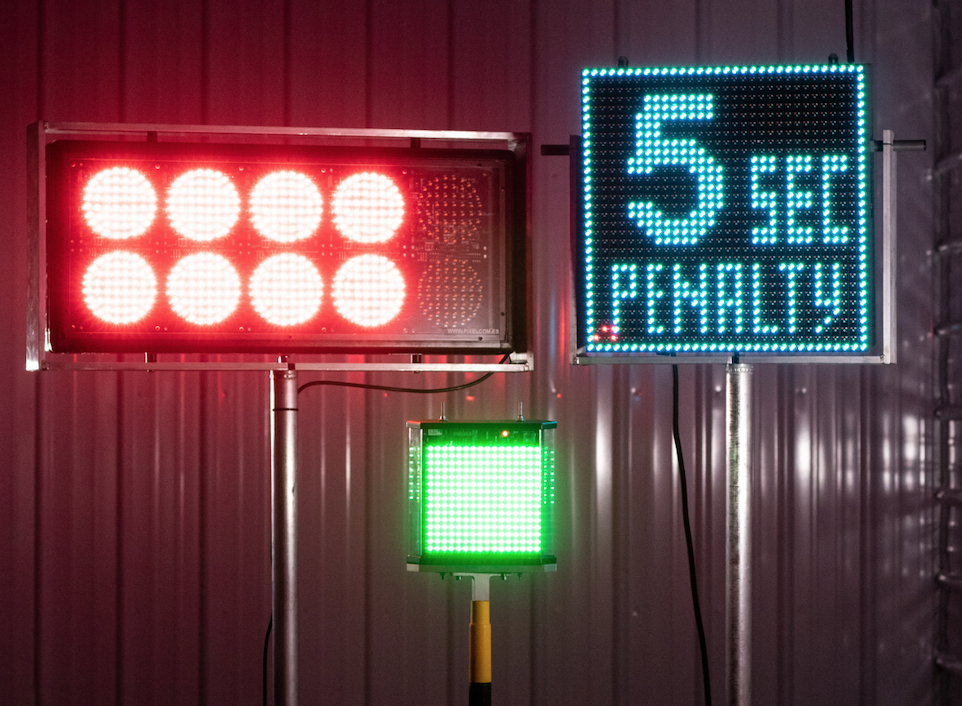
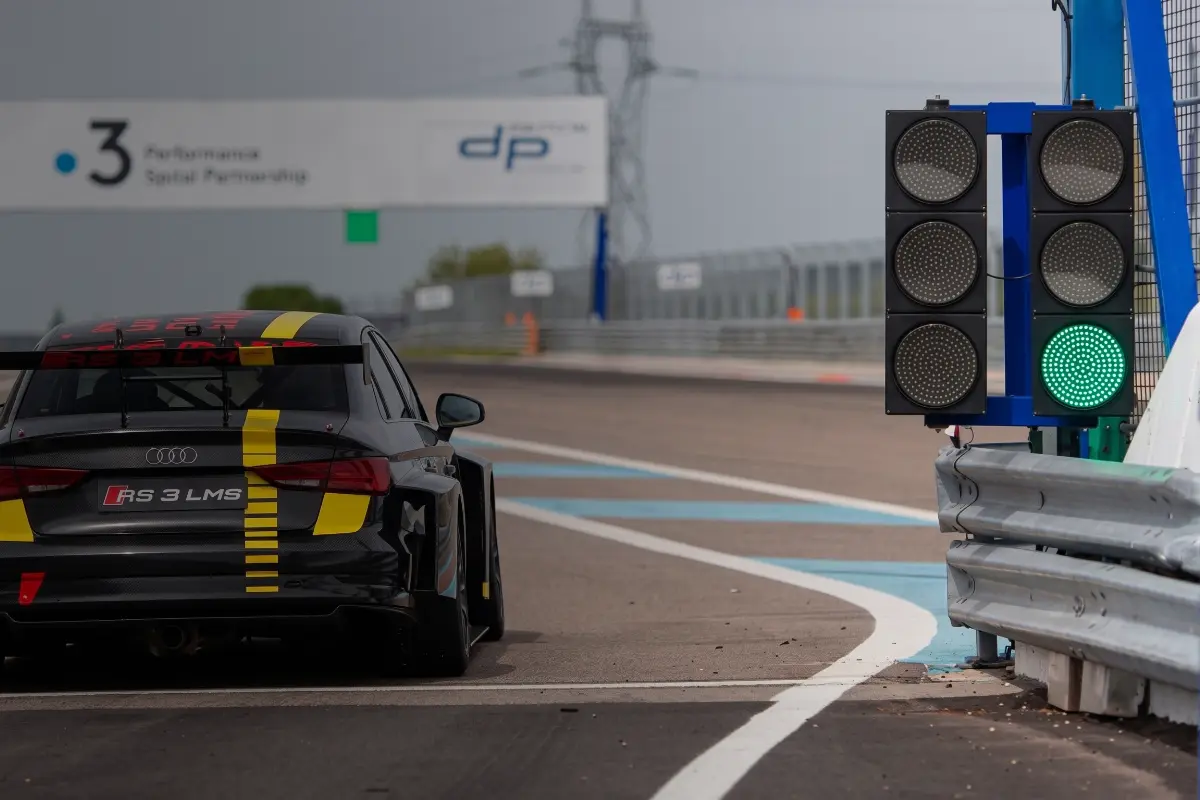
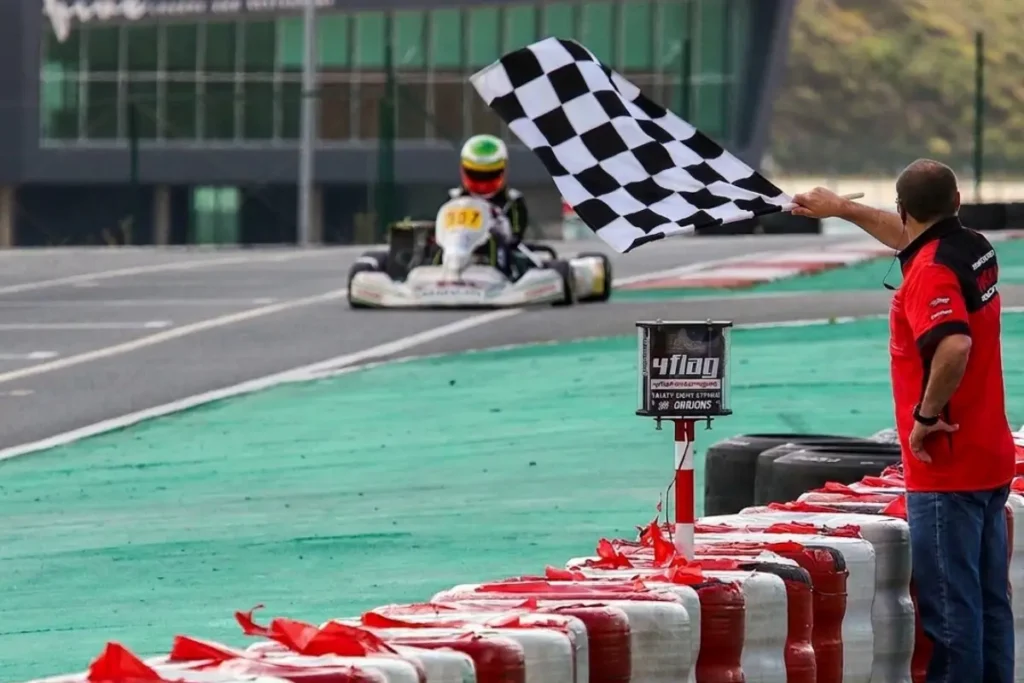
- Track sensors and electronic flags: Automatically alert drivers to incidents on the track by means of LED lights in strategic areas.
- Private telecommunications networks: Improve data transmission and connectivity on the circuit, guaranteeing interference-free communication.

Safety on karting circuits: technology that makes a difference
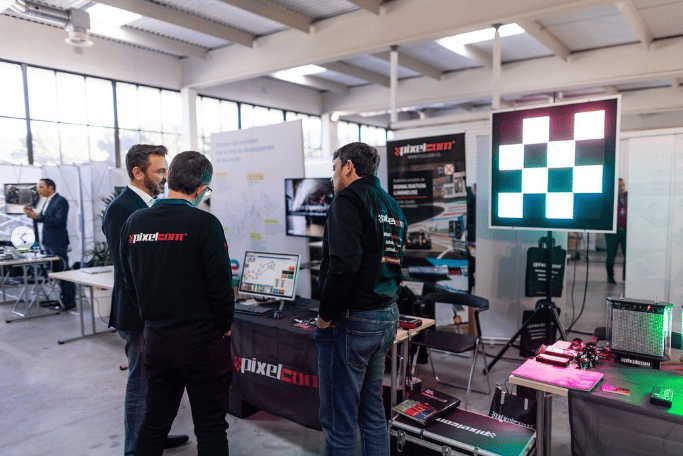
Safety at circuits depends not only on the design of the track or the drivers’ equipment, but also on a technological infrastructure that allows a quick, clear and effective response to any situation. Pixelcom helps karting and motorsport circuits to improve their safety protocols through advanced signalling solutions and intelligent systems.
- Light signalling systems: installed at key points of the track to immediately warn about incidents or changes in the race status.
- Emergency stop system: allows the race to be stopped in a controlled, efficient and synchronised manner throughout the circuit.
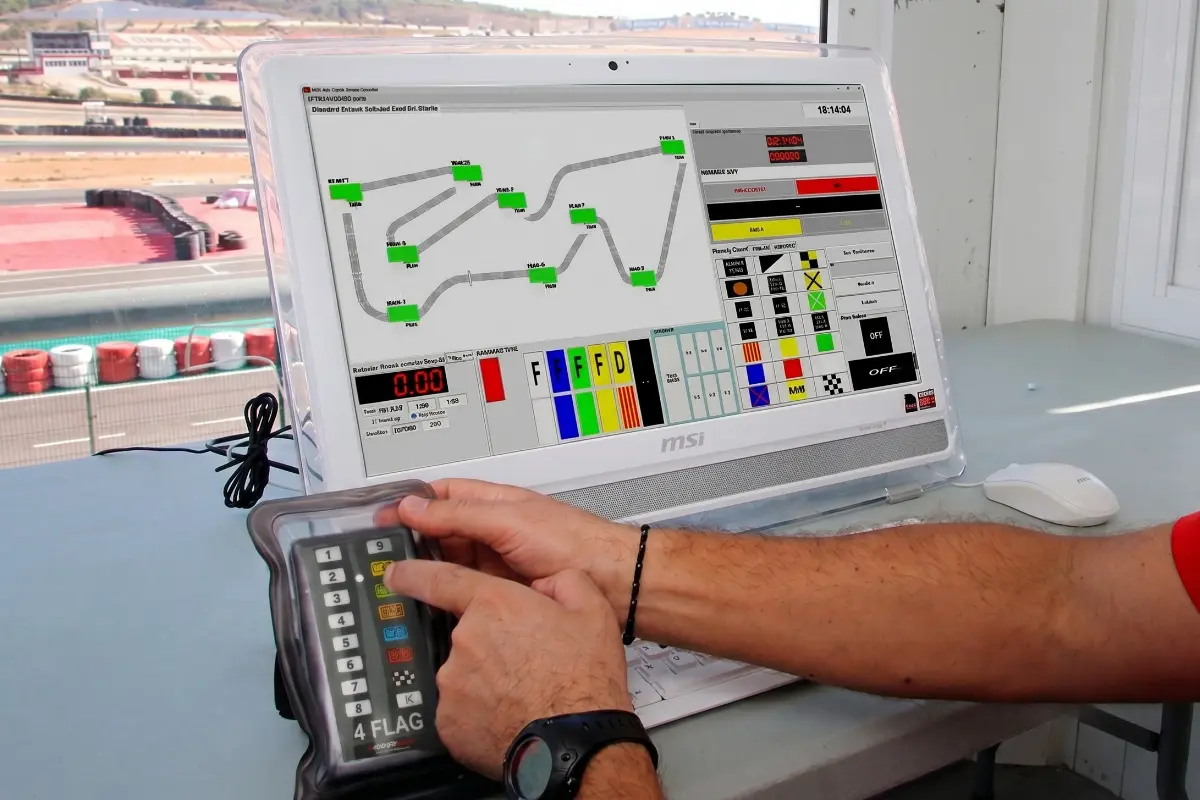
- Signal control and management software: centralises the management of all on-track safety devices from a single, user-friendly interface.
The circuits that implement these technologies not only gain in safety, but also in professionalism and operational control. If you want to know how to improve the safety of your track with technological solutions adapted to karting, visit Pixelcom.