Karting is undergoing a profound transformation driven by technological innovation. What for many years was an essentially mechanical sport is now increasingly supported by digital systems, electrification, and advanced data analysis to improve performance, facility management, and the overall user experience.
Looking ahead to 2026, these technological trends in karting are not only reshaping competition itself, but also the way karting circuits are managed, operational processes are optimised, and the experience of both drivers and spectators is enhanced.
At Pixelcom, we have analysed the key technological trends in karting for 2026 and how they are transforming the sector at an operational, sporting, and commercial level, particularly in the context of the digitalisation of karting facilities in Spain.
Full Digitalisation of Karting Circuits
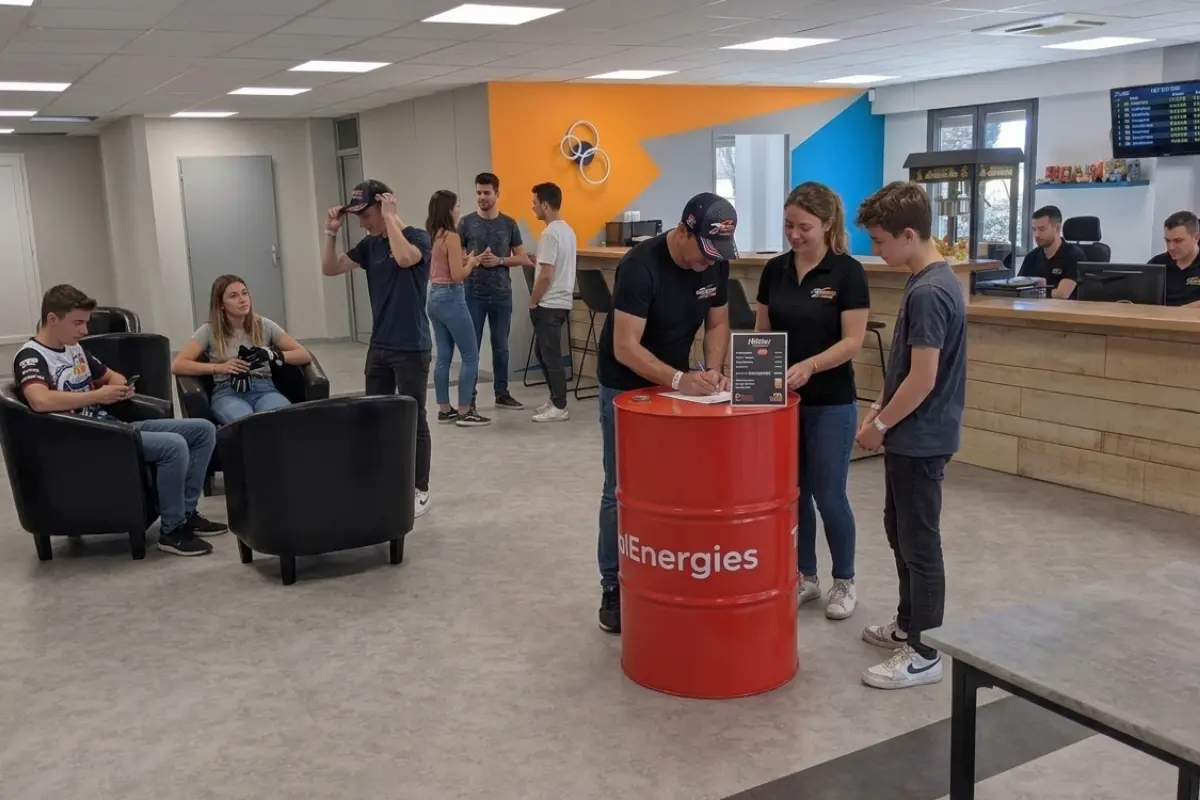
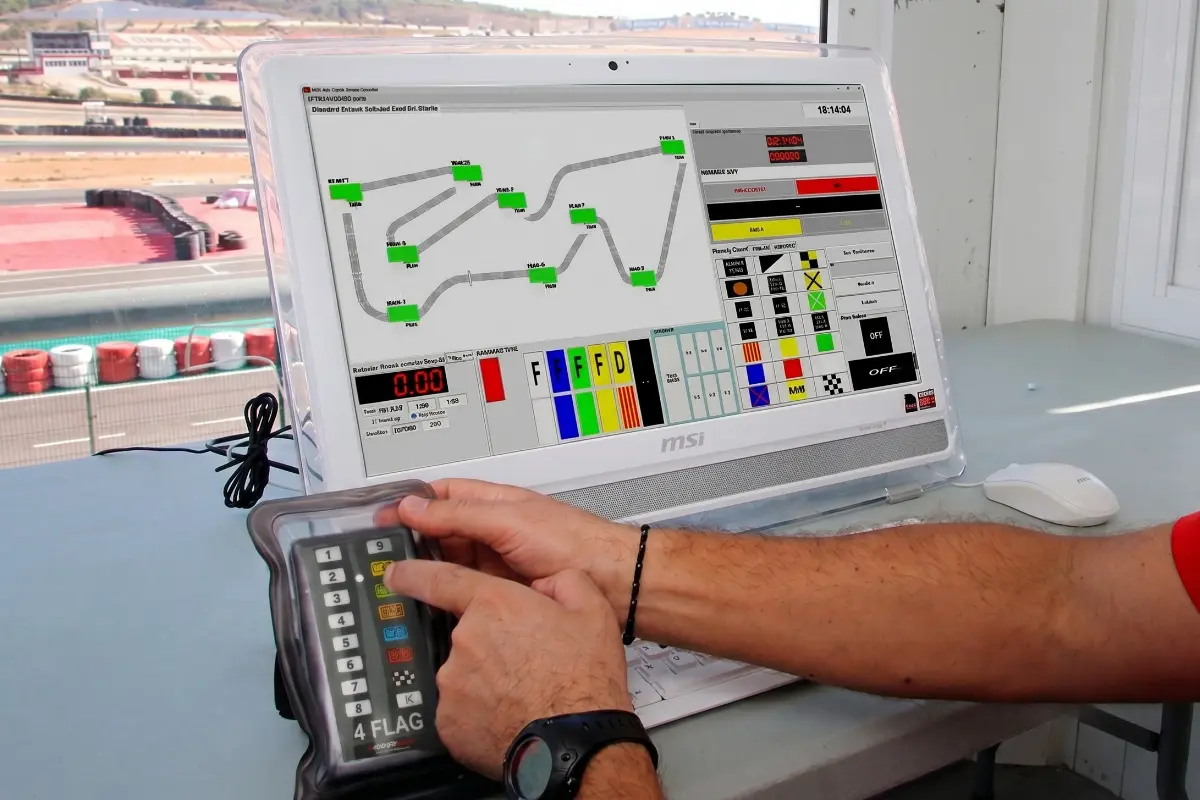
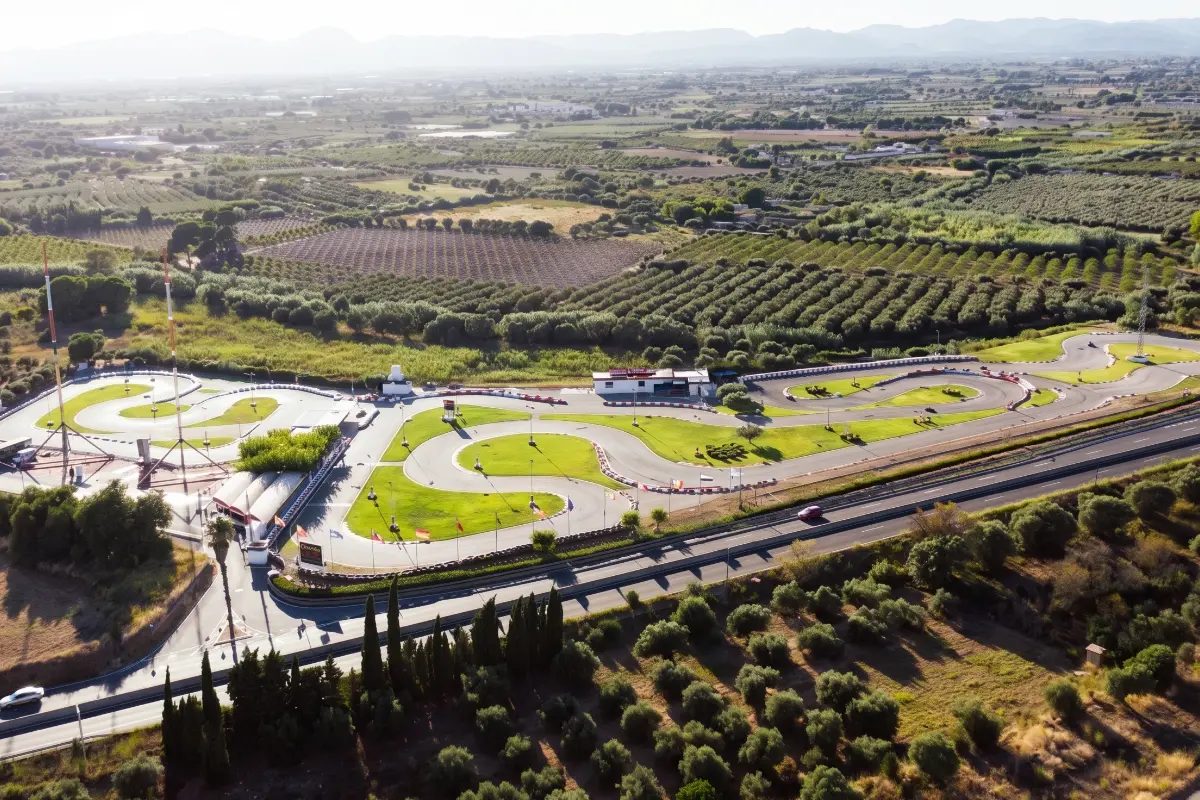
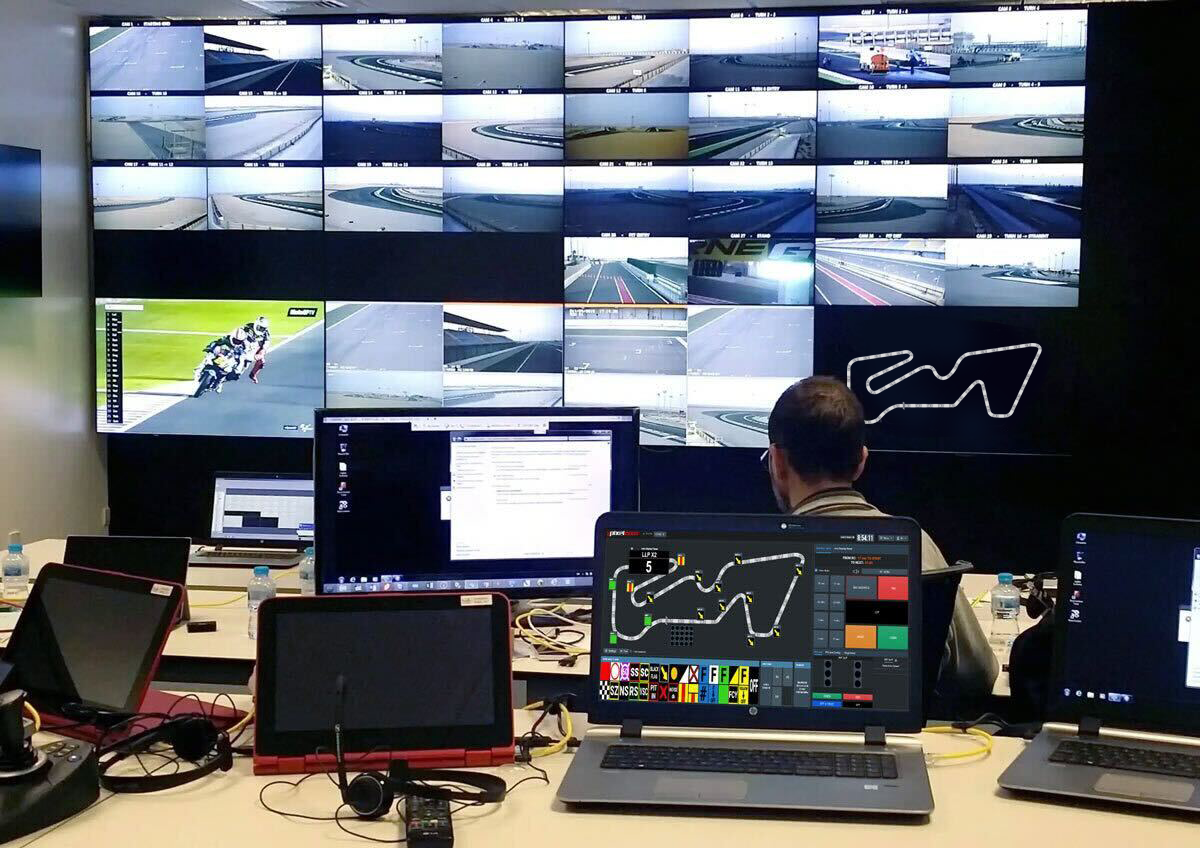
One of the most significant trends in modern karting is the complete digitalisation of facilities. Karting circuits no longer operate as isolated spaces, but as connected environments where software, hardware, and data work together seamlessly.
This digitalisation includes:
- Digital management of races and drivers
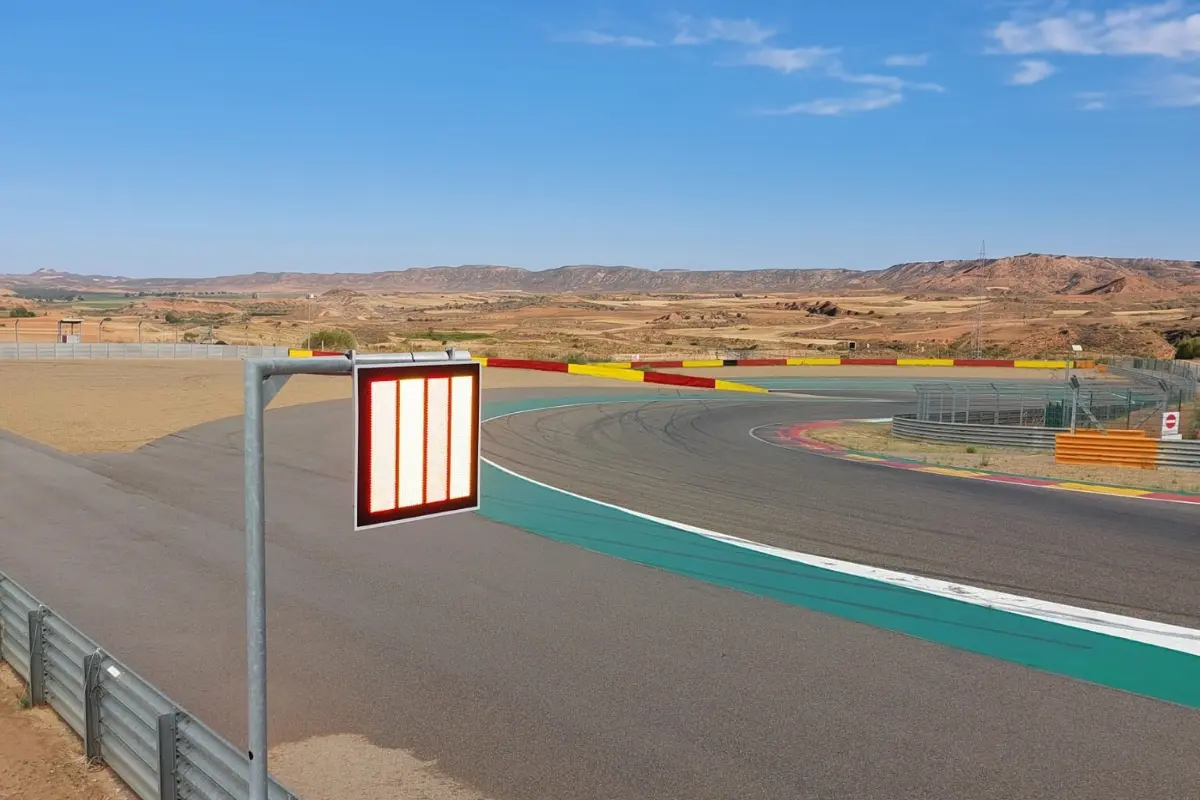
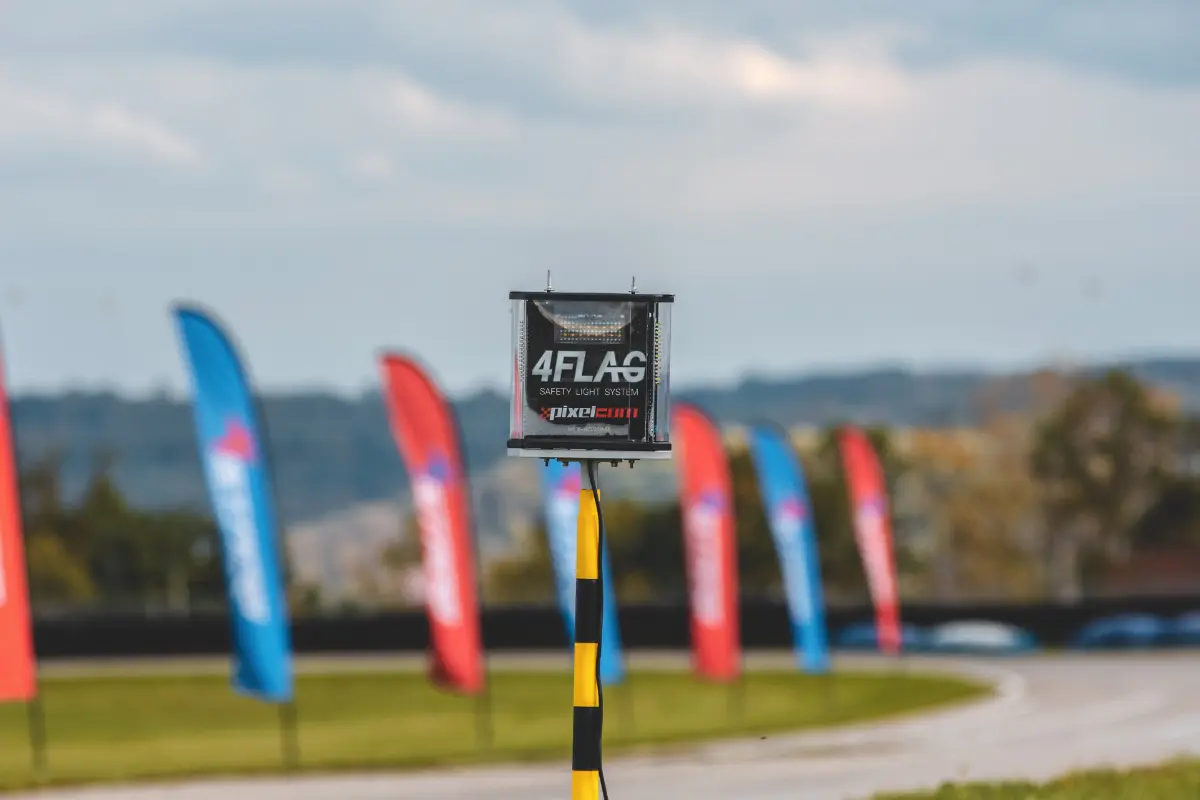
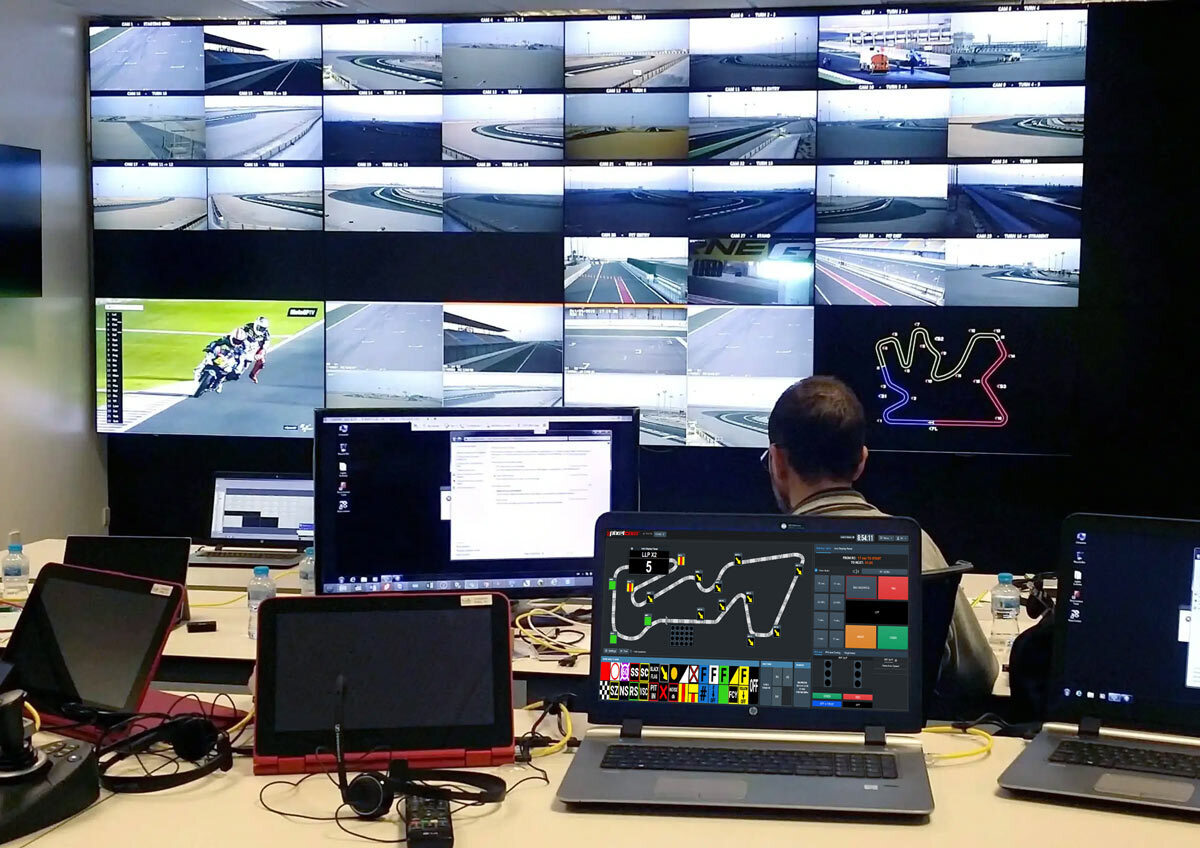
- Integration of timing systems, scoreboards, and track control
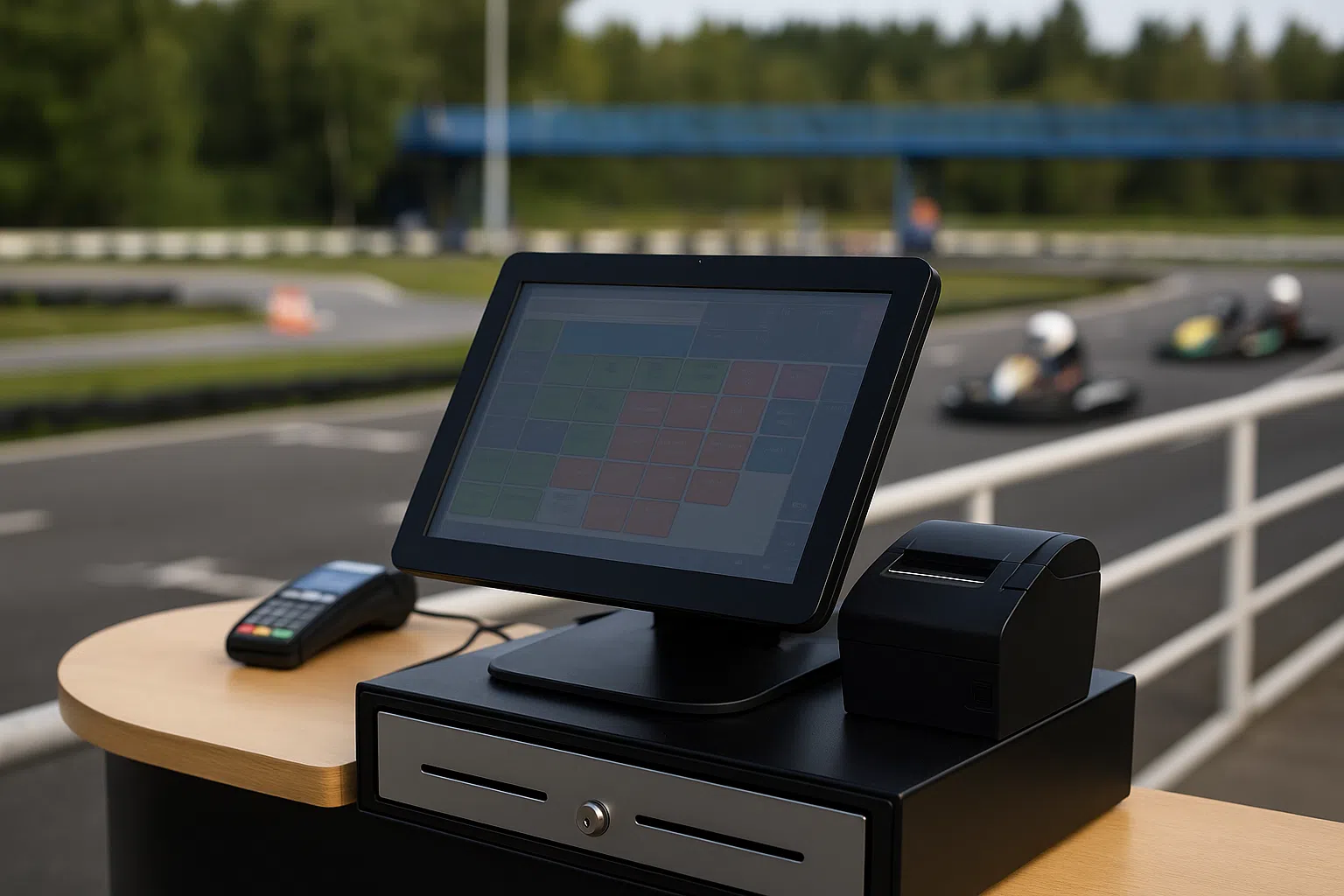
- Automation of operational and administrative processes
Specialised motorsport software and electronics companies such as Pixelcom are driving this transformation through karting-specific solutions, enabling circuits to operate more efficiently and deliver a more professional experience for both drivers and spectators.
More Accurate and Connected Timing Systems
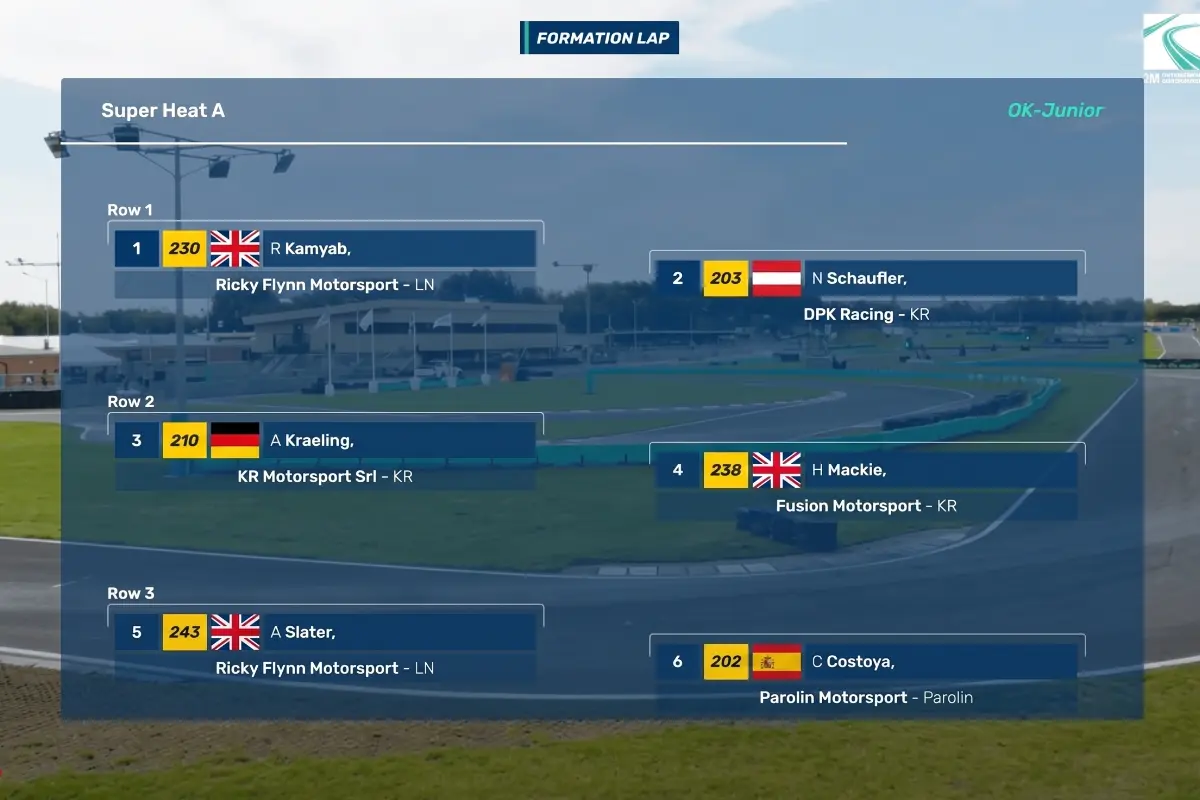
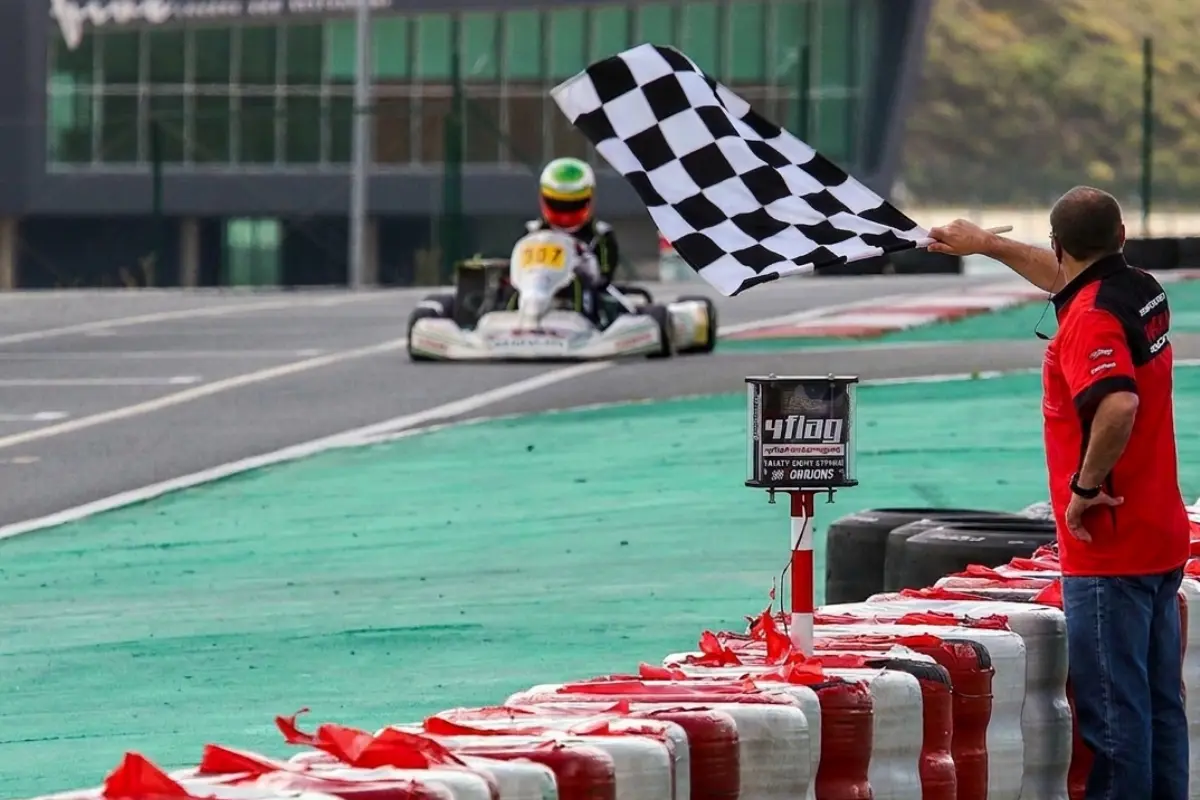
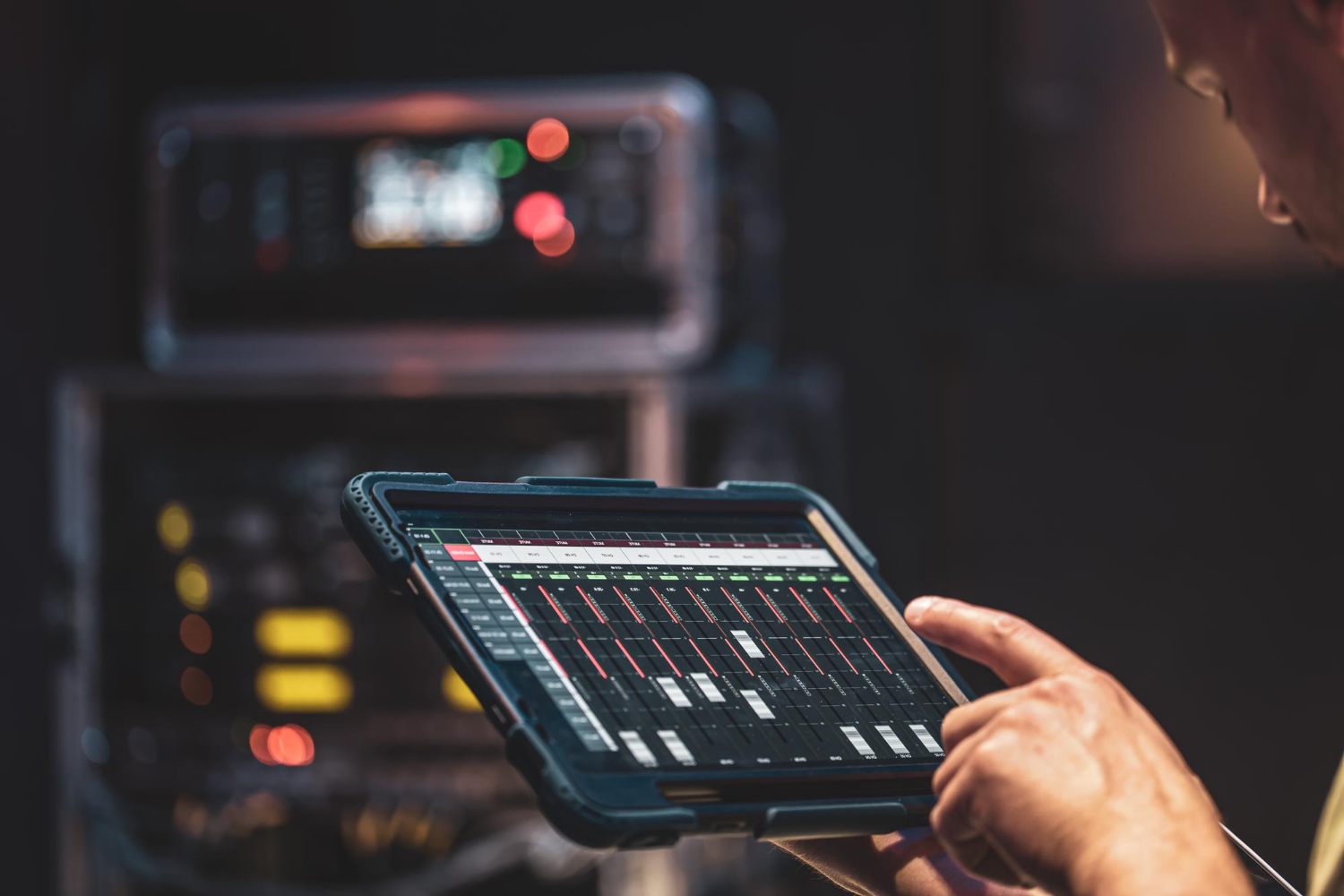
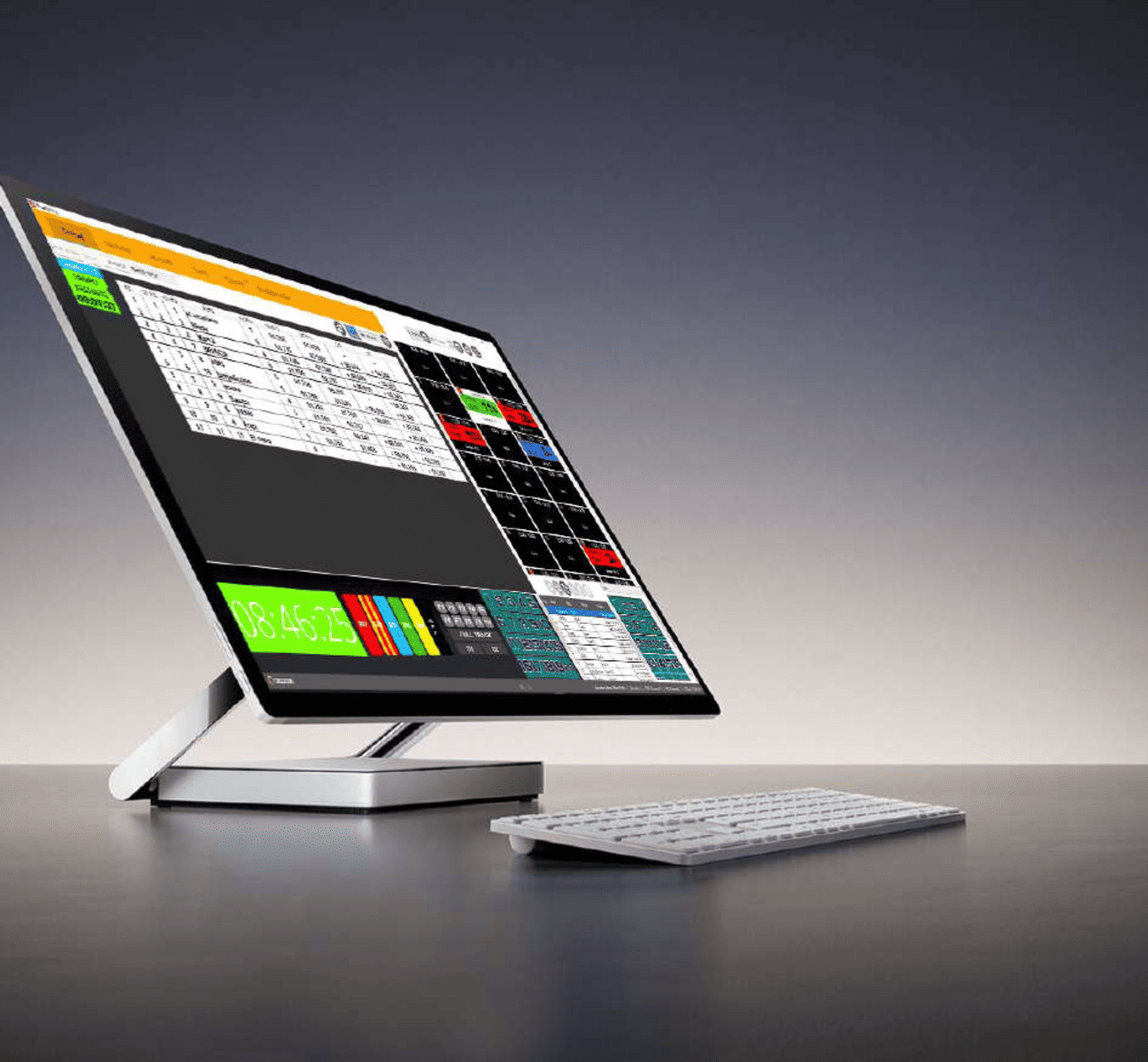
Timing remains one of the core technological pillars of karting, but by 2026 it goes far beyond simply measuring lap times. Modern systems are capable of collecting, processing, and displaying data in real time with a high level of accuracy, becoming a key tool for the management of karting circuits.
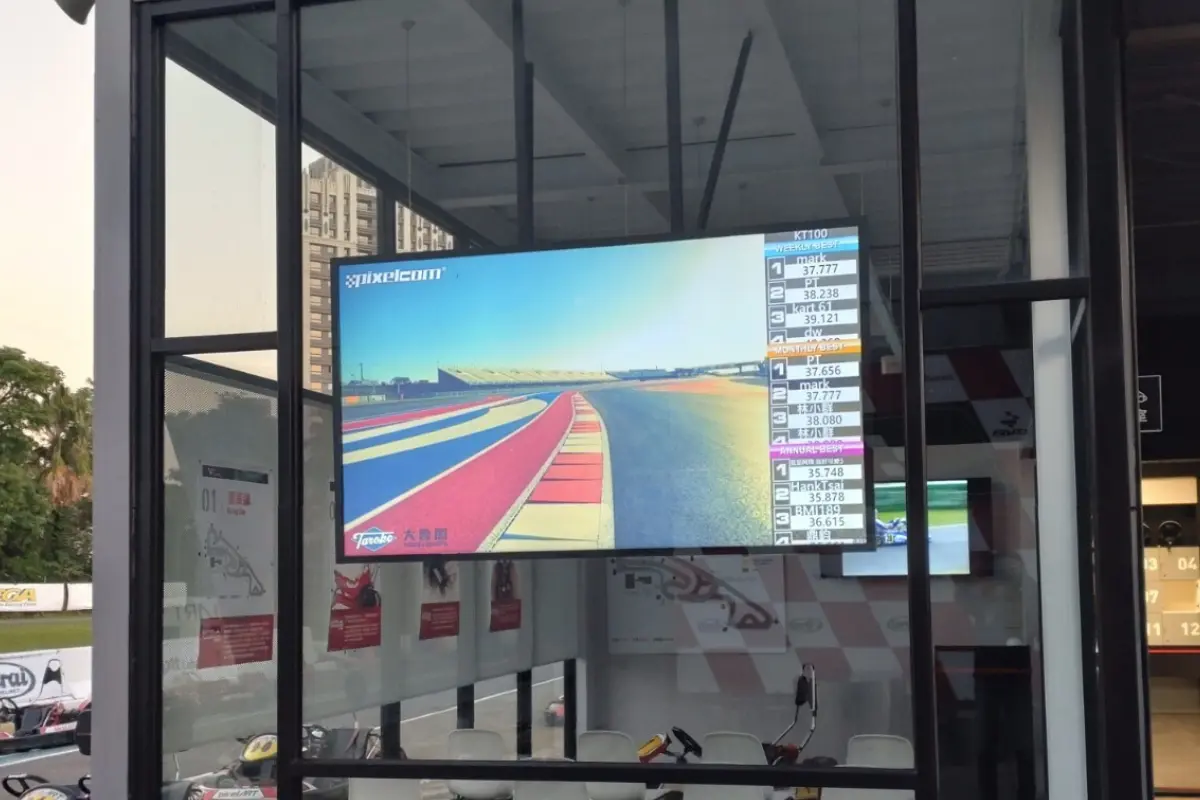
The main trends in karting timing software include real-time lap timing with greater precision, automatic association of data to each driver and kart, and immediate visualisation of results on screens and digital platforms. Specialised solutions such as Pixelcom’s karting timing software allow all this information to be centralised within a single system, enabling more efficient management of races, sessions, and results.
These advanced timing systems not only improve performance analysis and session comparison, but also provide a clear and professional presentation of information for the public, both in recreational karting and in more advanced competitive environments.
Electronic Scoreboards and LED Screens as the Core of the Experience
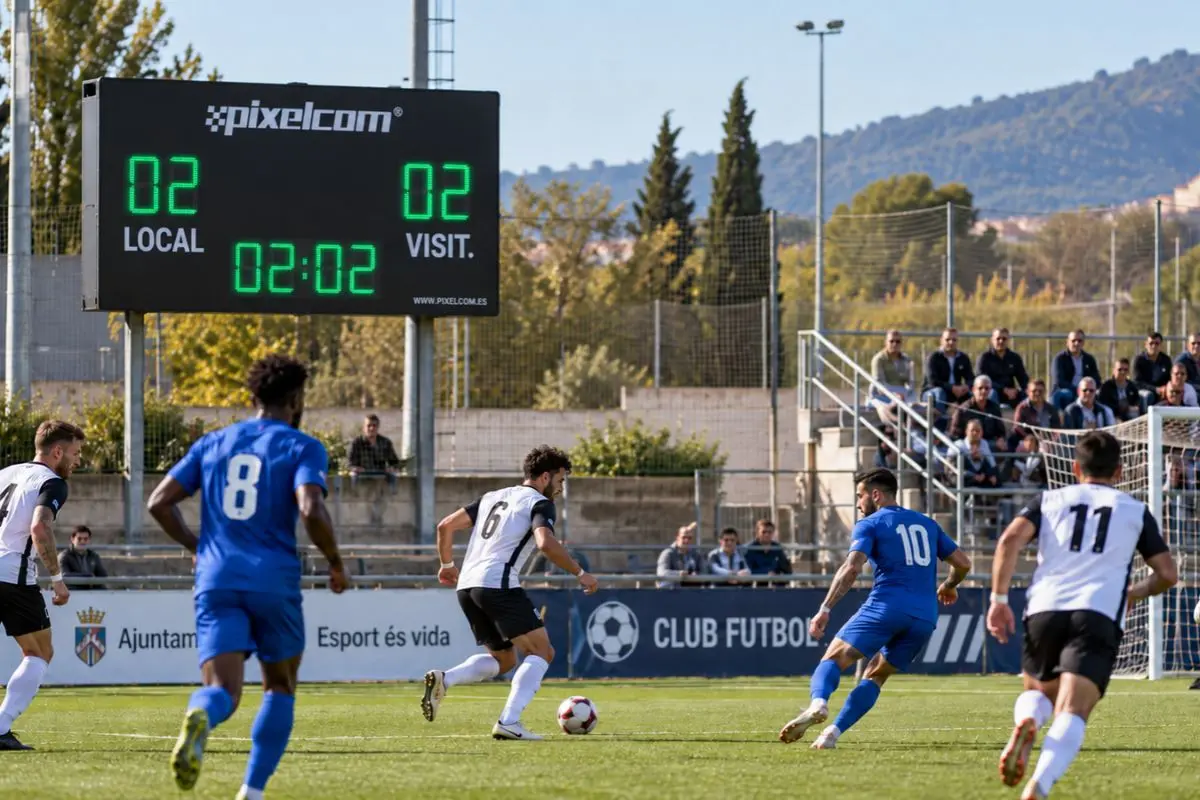
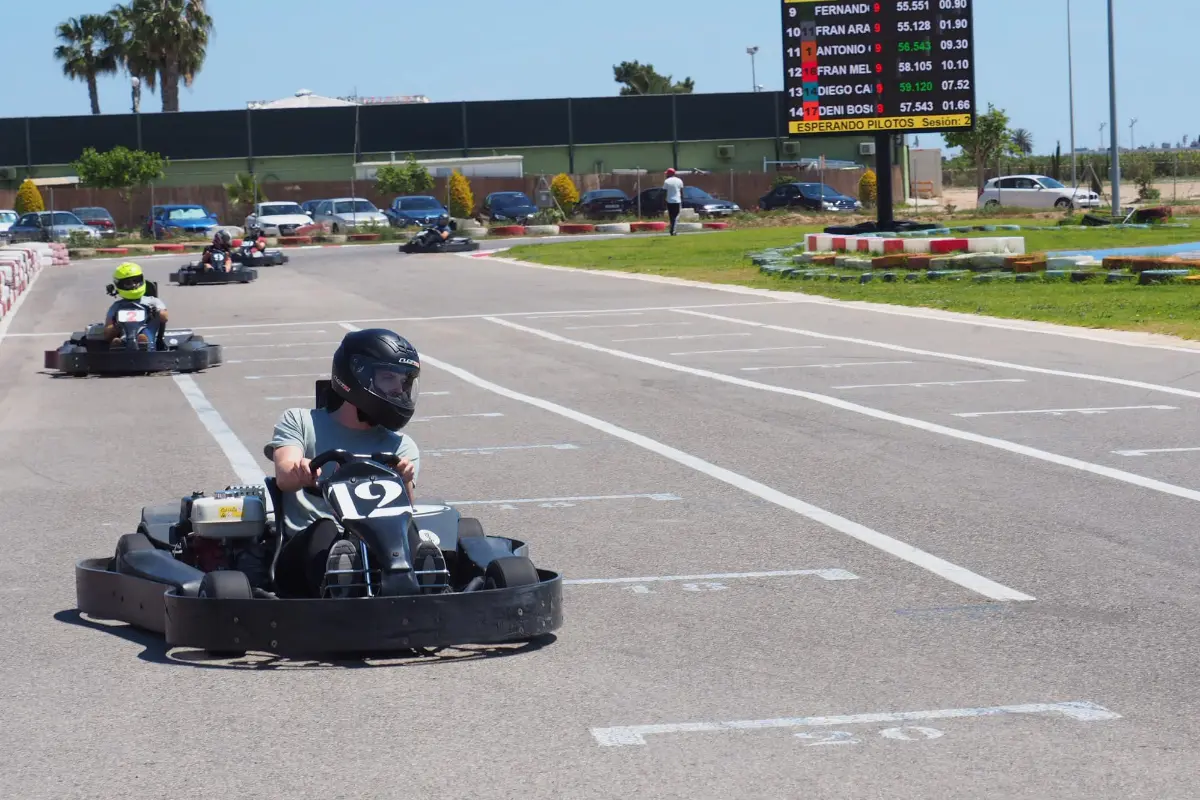
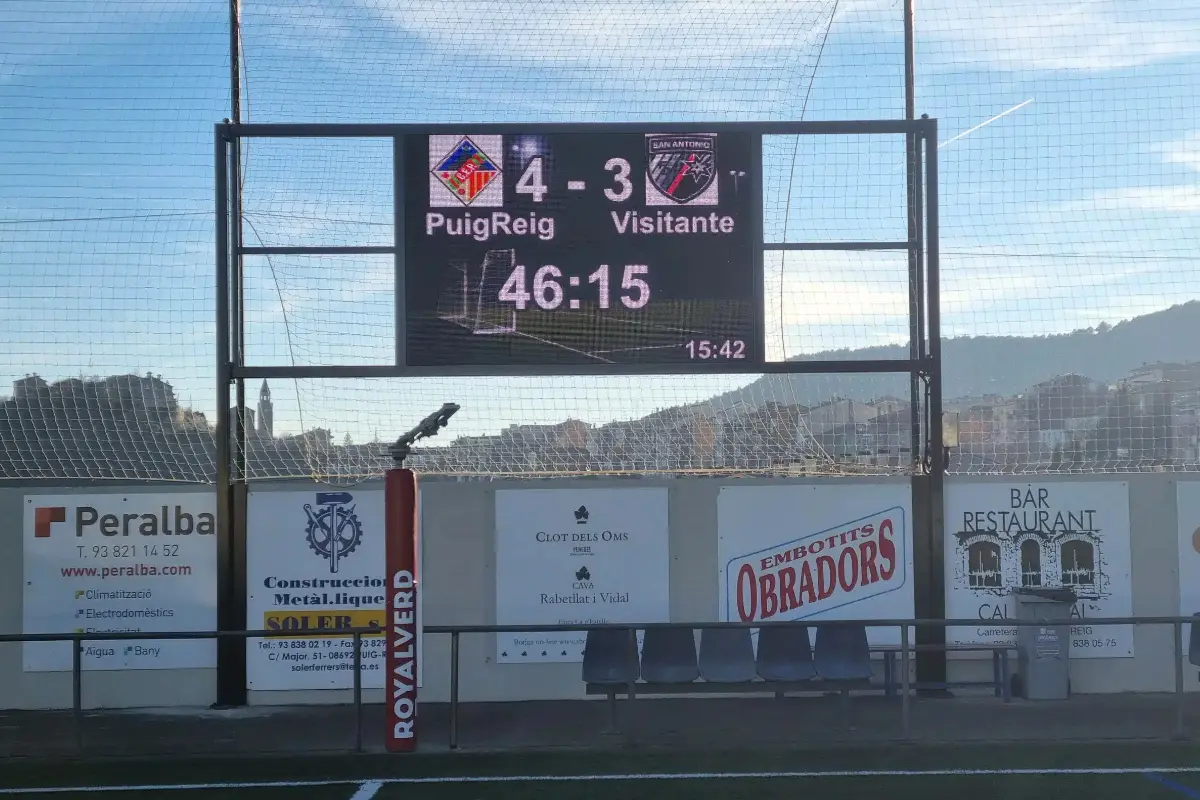
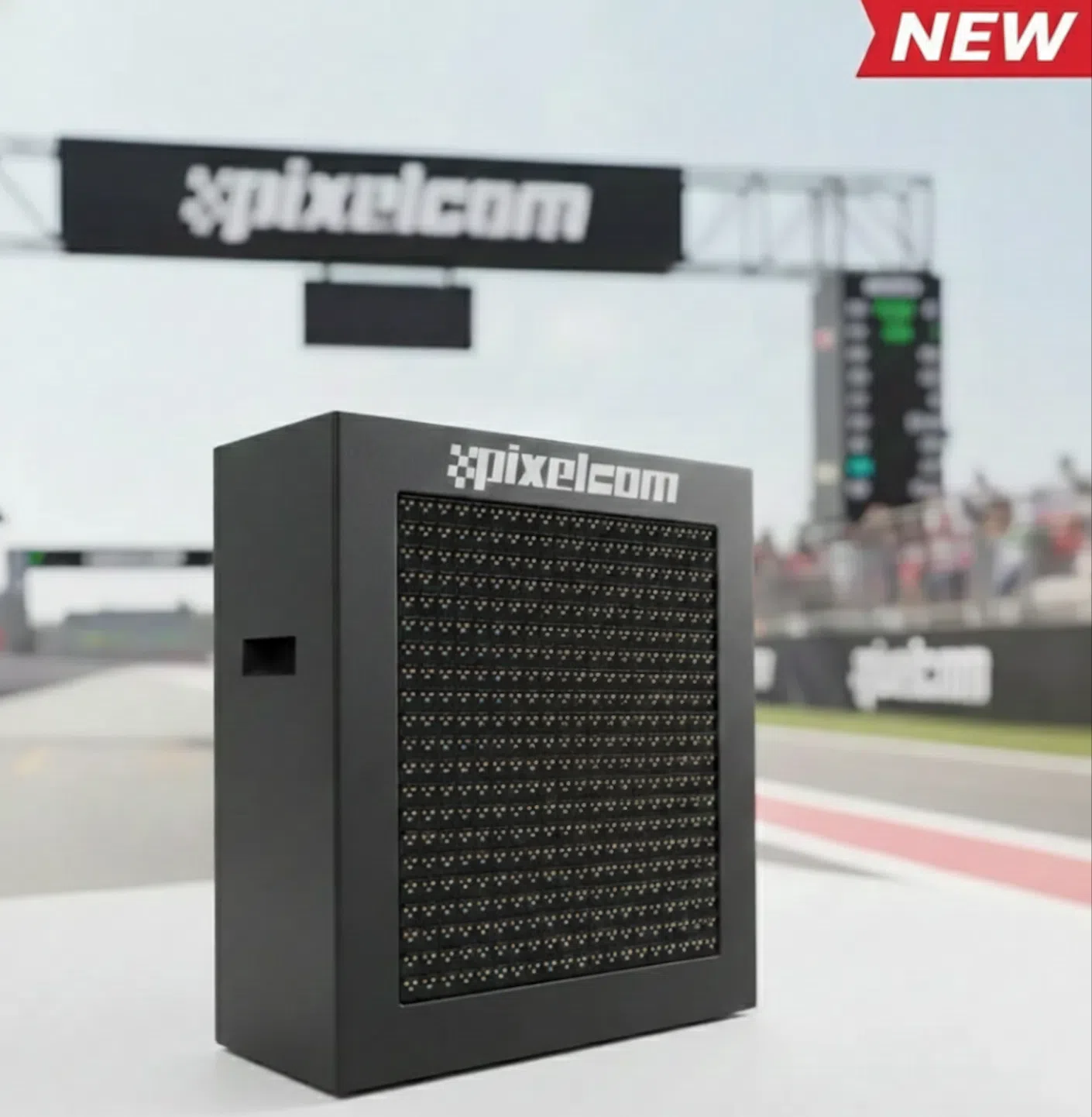
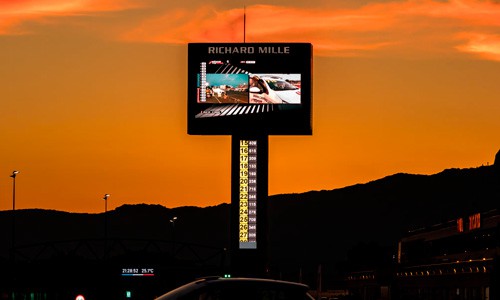
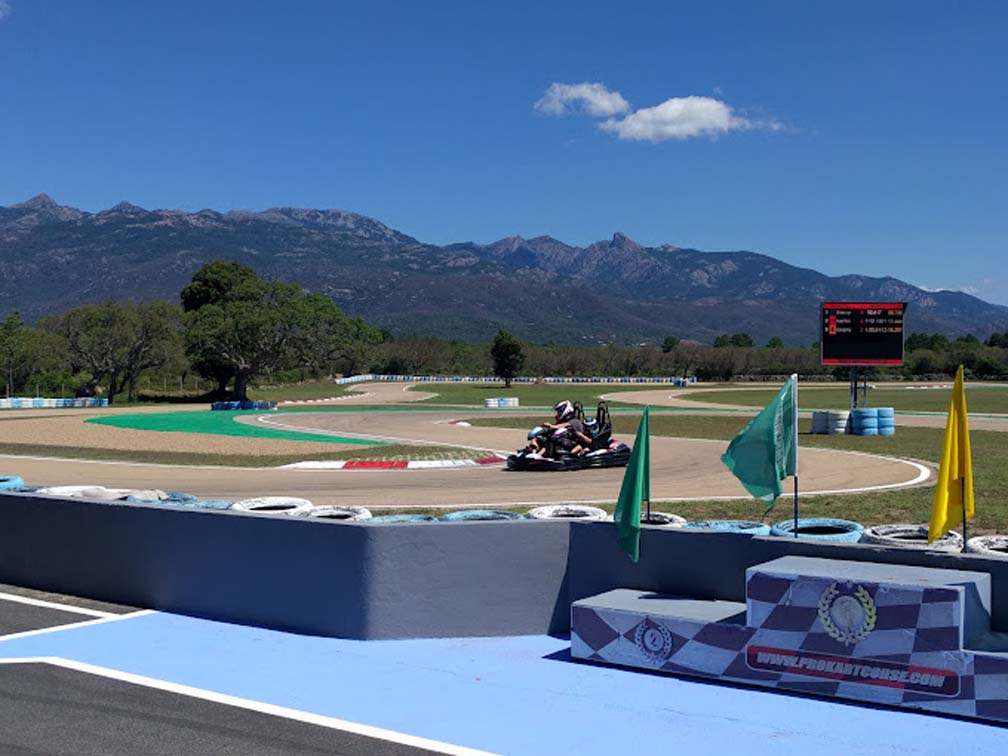
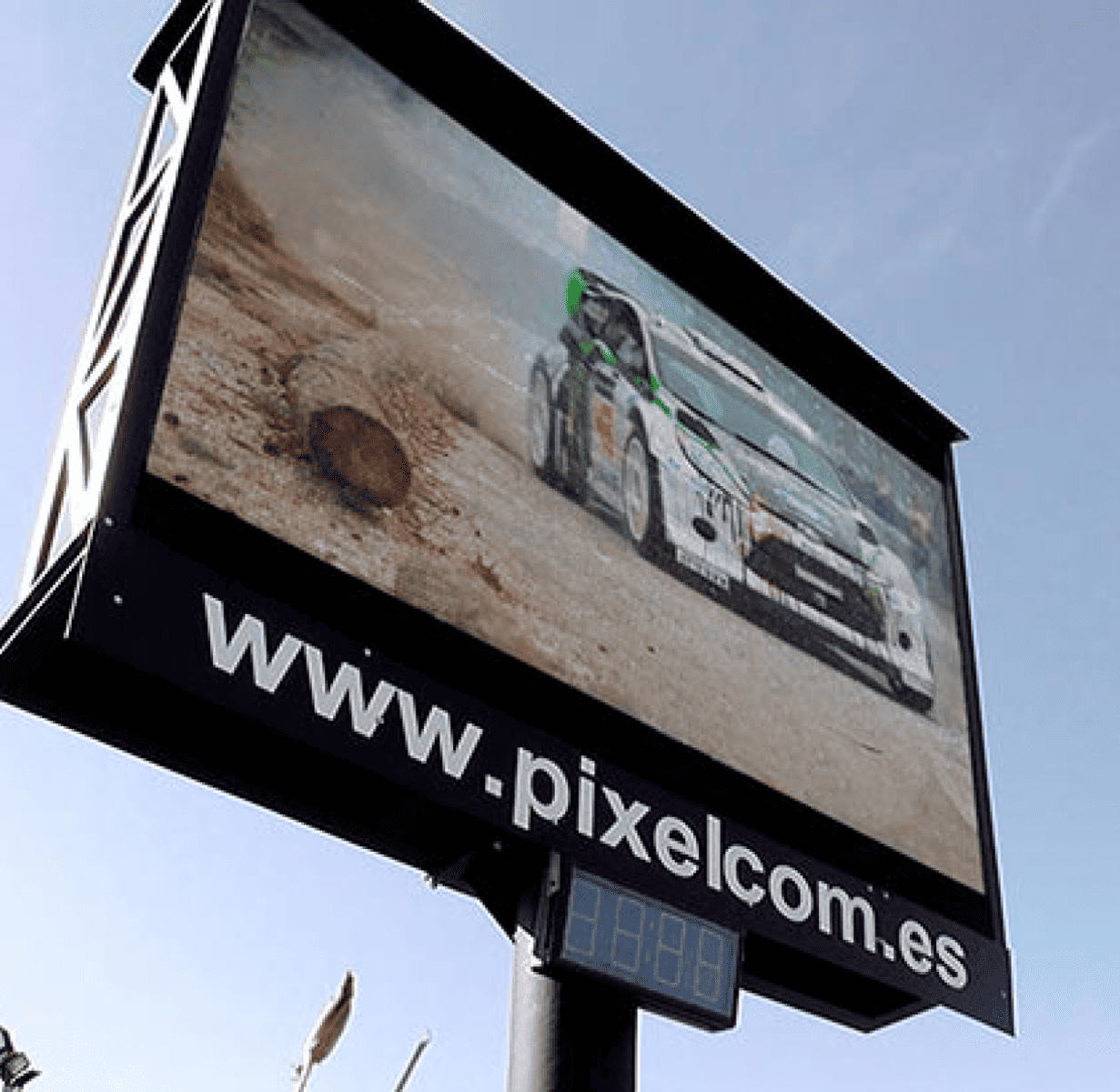
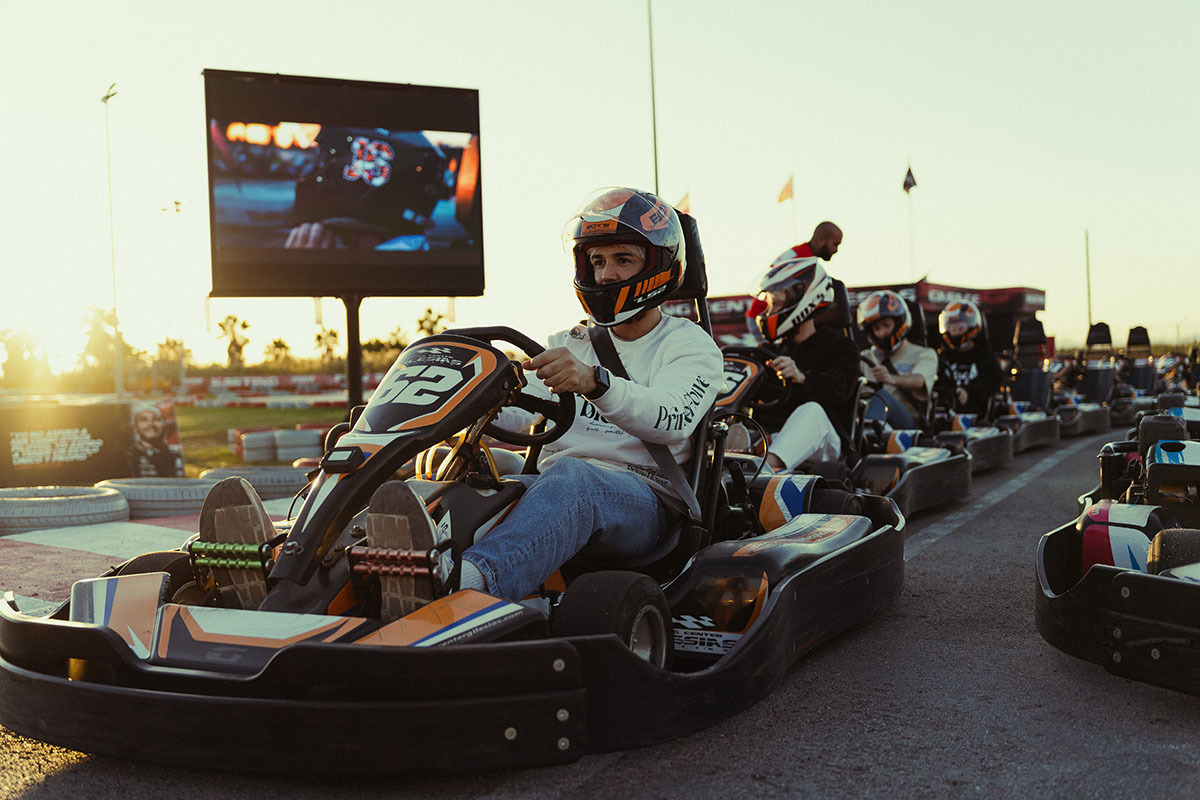
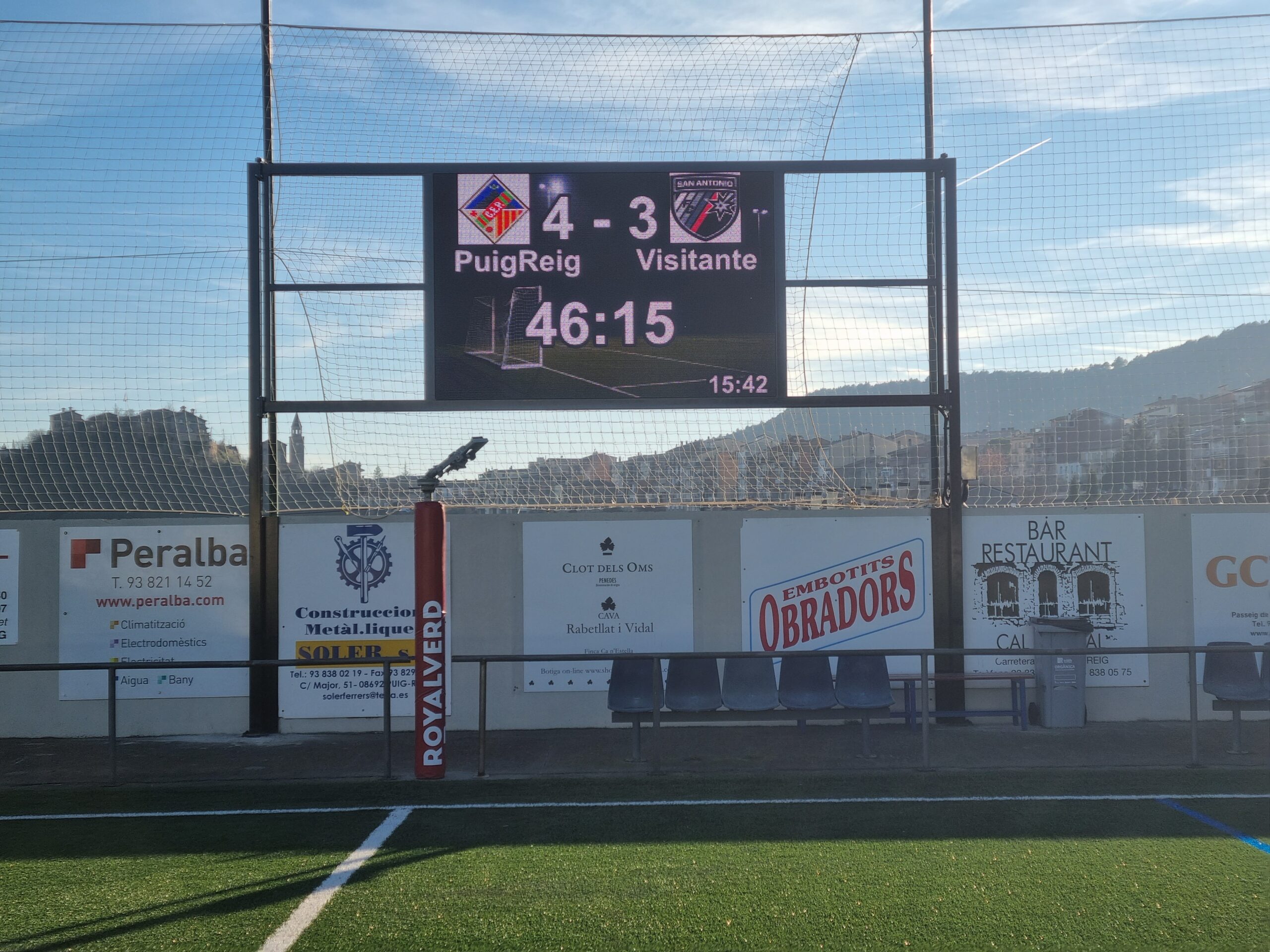
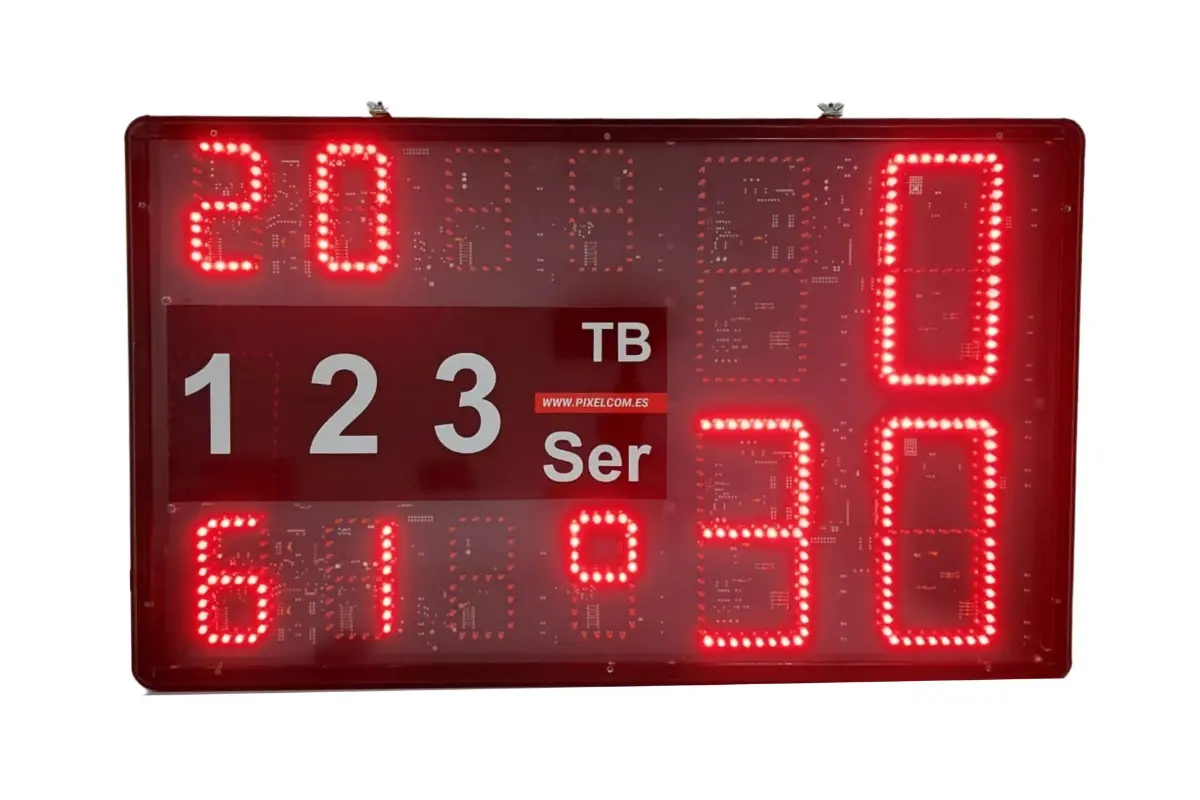
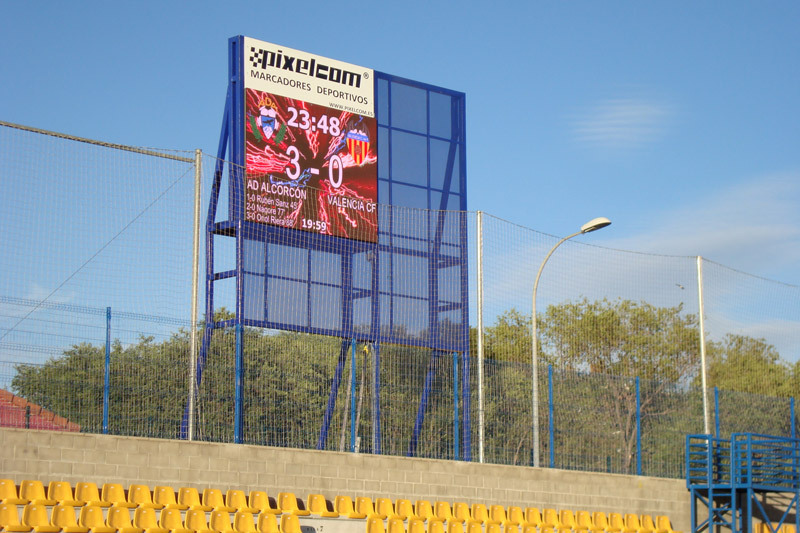
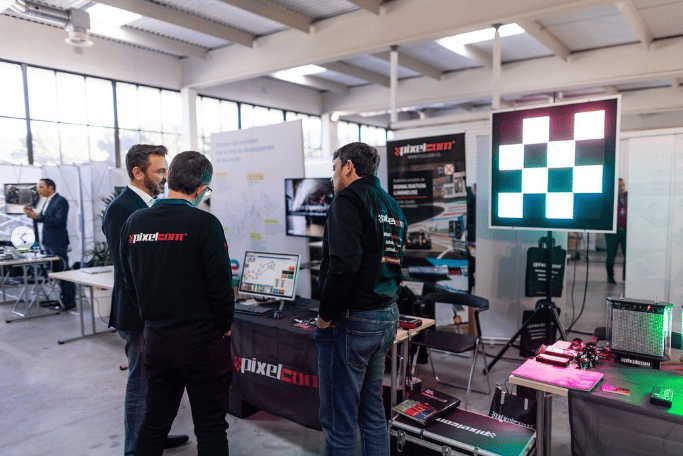
Electronic scoreboards have evolved from being a secondary element to becoming a central component of the karting experience. By 2026, the trend is towards larger, more visible, and fully customisable LED screens.
Their role now extends to displaying:
- Split times and gaps between drivers
- Dynamic race information
- Direct integration with the circuit management software
The use of modern electronic scoreboards improves race comprehension, increases audience engagement, and reinforces the professional image of the karting facility.
Expansion of Electric Karting
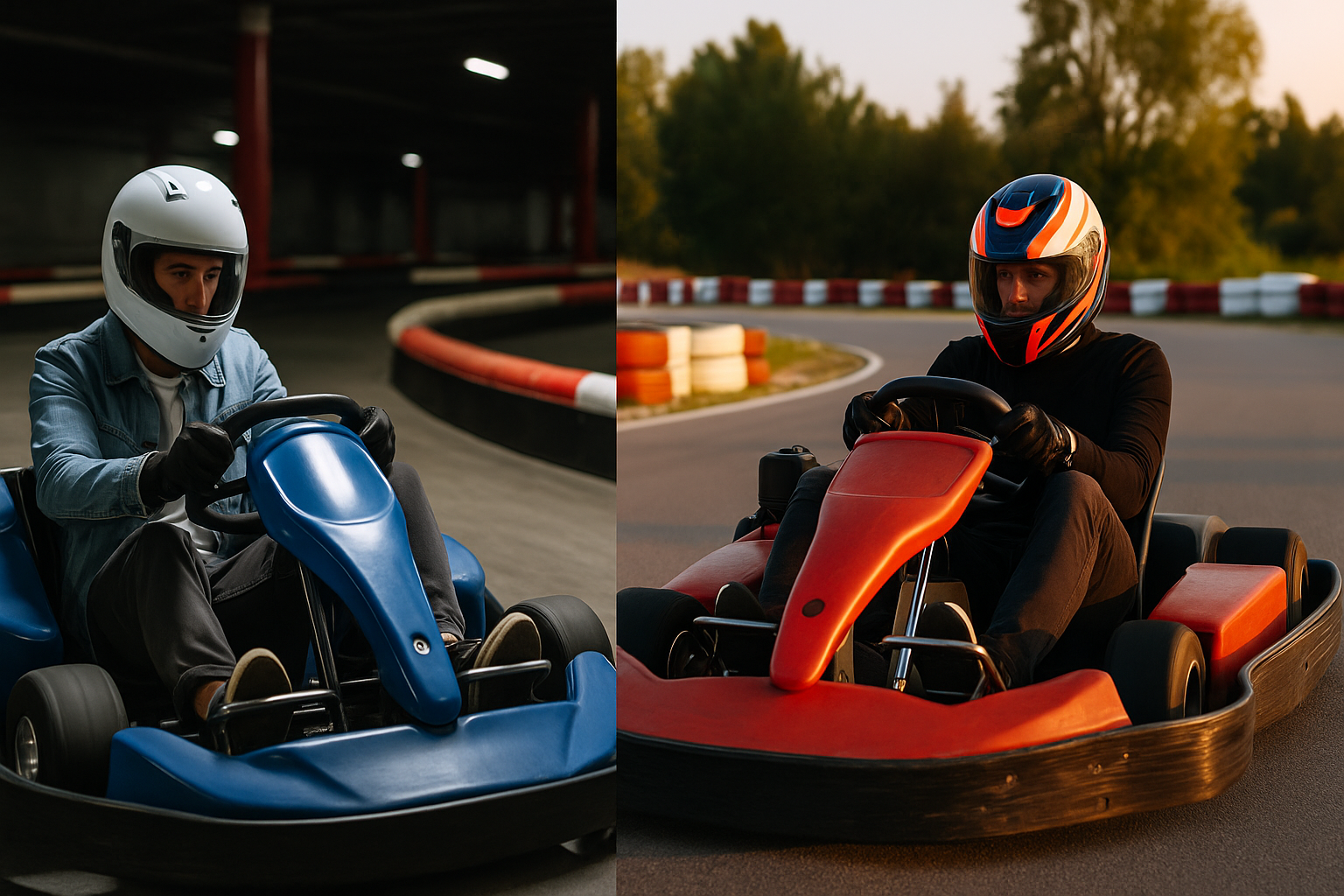
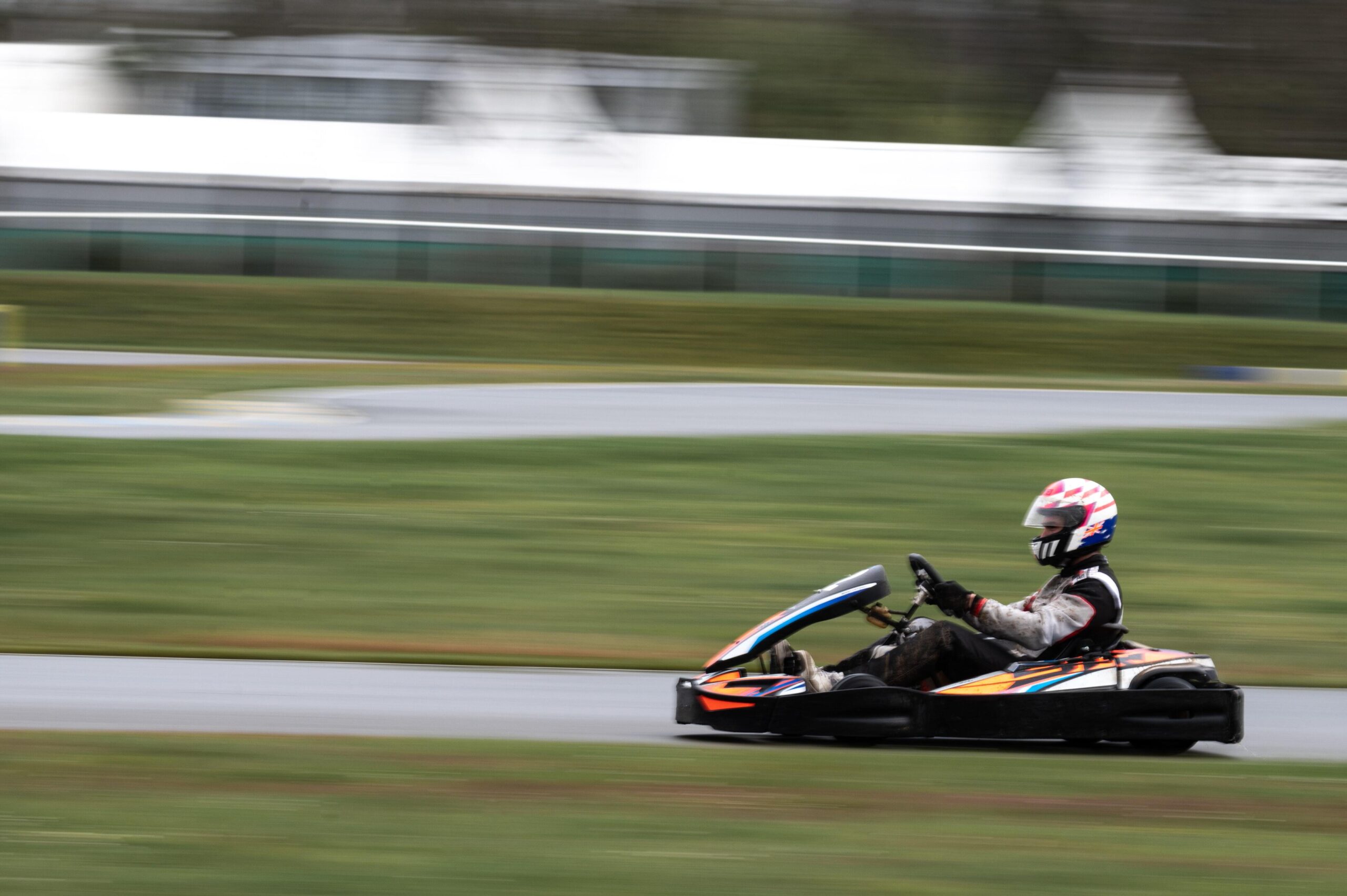
Electrification is one of the clearest technological trends in karting heading towards 2026. Electric karts continue to gain ground for technical, economic, and environmental reasons.
Key advantages include:
- Lower mechanical maintenance compared to combustion engines
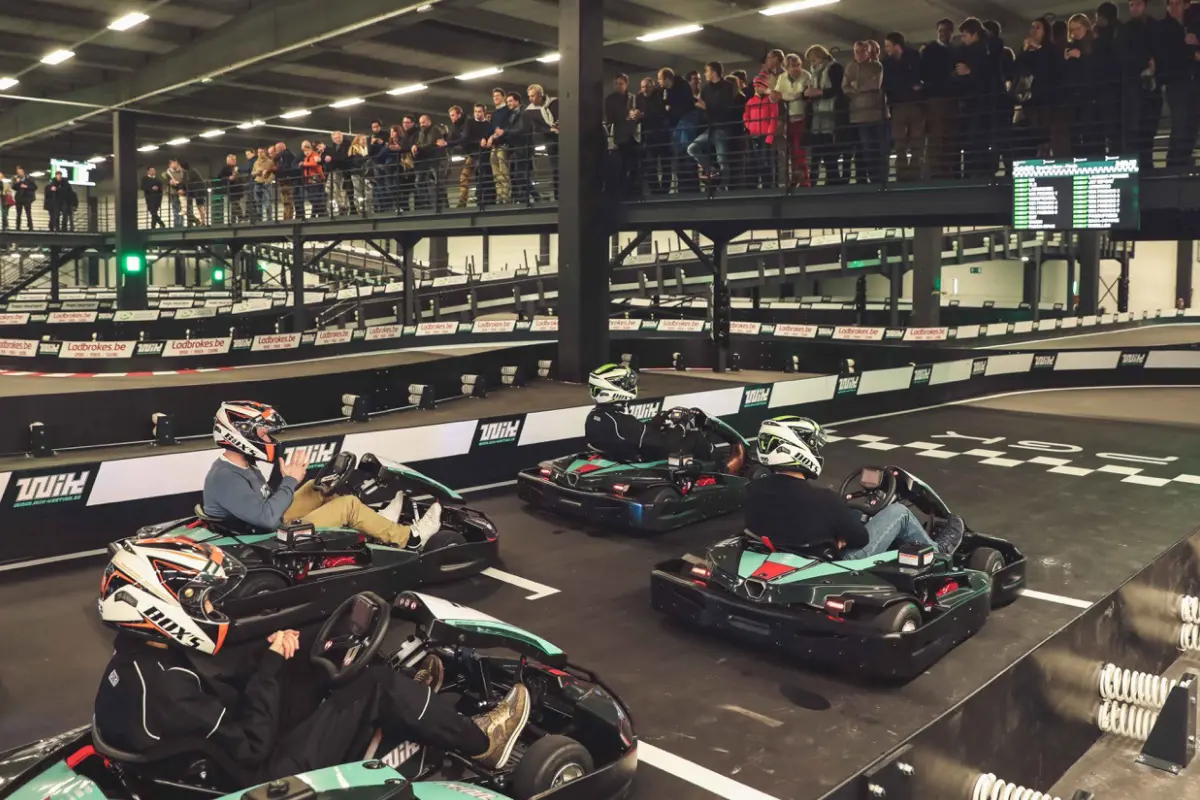
- Significant noise reduction, particularly for indoor circuits
- Greater performance control through software-based systems
Many facilities are now combining electric kart fleets with digital systems that allow parameter adjustment, vehicle usage analysis, and optimised energy management.
Use of Data and Analytics to Improve Performance
Data usage has become one of the main technological differentiators in karting. Each session generates valuable information that can be used to improve both driver performance and overall circuit management.
The most common applications include:
- Analysis of lap times, consistency, and regularity
- Comparisons between drivers, heats, or sessions
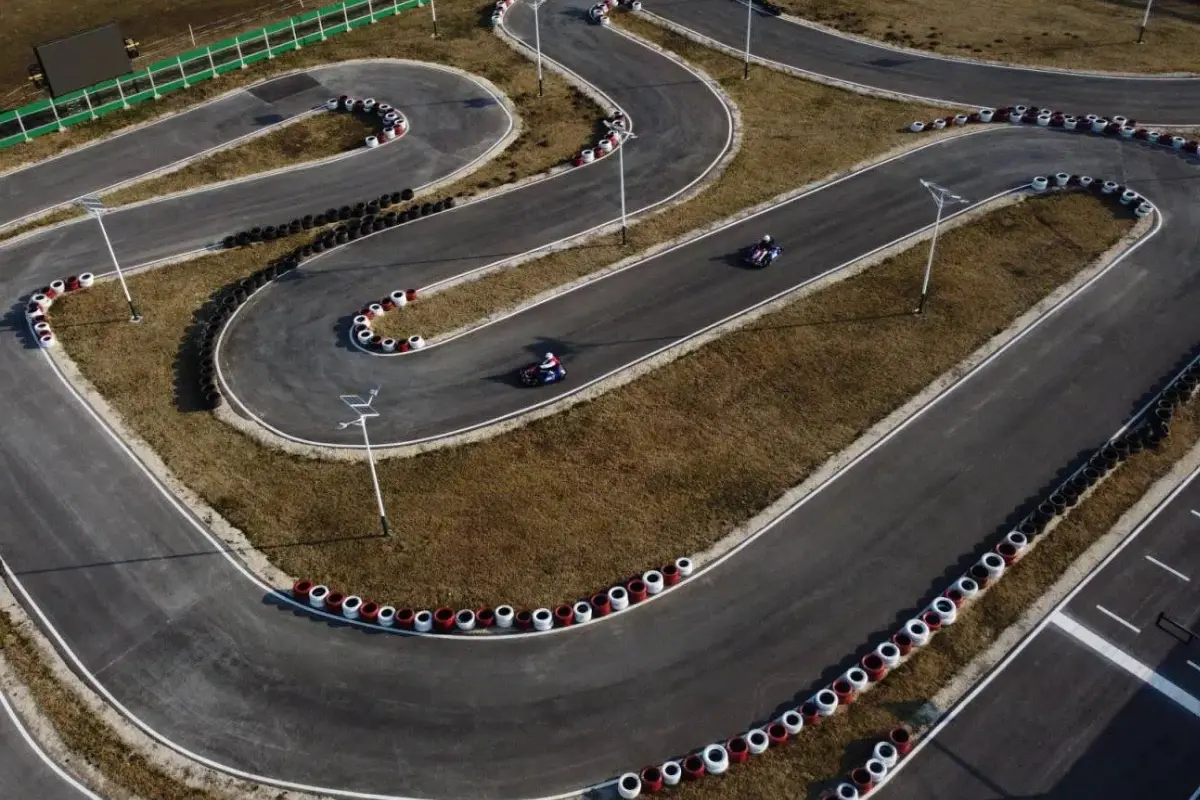
- Optimisation of track layouts and race flow
This data-driven approach, long established in professional motorsport, is now being strongly adopted in karting, adding significant sporting and operational value.
Enhancing the Driver and Spectator Experience
Technology is no longer applied solely to the kart itself, but to the entire experience surrounding the race. In 2026, the most competitive karting circuits are those that offer a clear, seamless, and engaging experience.
This translates into:
- Clear and easily understandable information for spectators
- Fast and efficient digital processes for drivers
- Full integration between the track, display systems, and management software
The user experience has therefore become a key factor for customer loyalty, circuit reputation, and differentiation from other leisure activities.
Take the Next Step in Karting Technology with Pixelcom
Technological trends in karting for 2026 point to a sector that is increasingly digital, connected, and data-driven. The combination of circuit digitalisation, advanced timing systems, electronic scoreboards, electric karting, and performance analysis is redefining how facilities are managed and how the on-track experience is delivered.
Investing in specialised technological solutions such as those developed by Pixelcom is no longer a competitive advantage, but a necessity for karting circuits that want to remain relevant, efficient, and attractive in the years ahead.