On a racing circuit, lap times make it possible to compare driver performance, monitor progress during a session, and generate rankings. To obtain this data, the system must identify each vehicle and record the exact moment it passes a detection point.
The timing decoder is the component that makes this possible. It converts transponder detections into timestamps that timing software can process. Within the system, the decoder provides the records the software needs to calculate lap times and results.
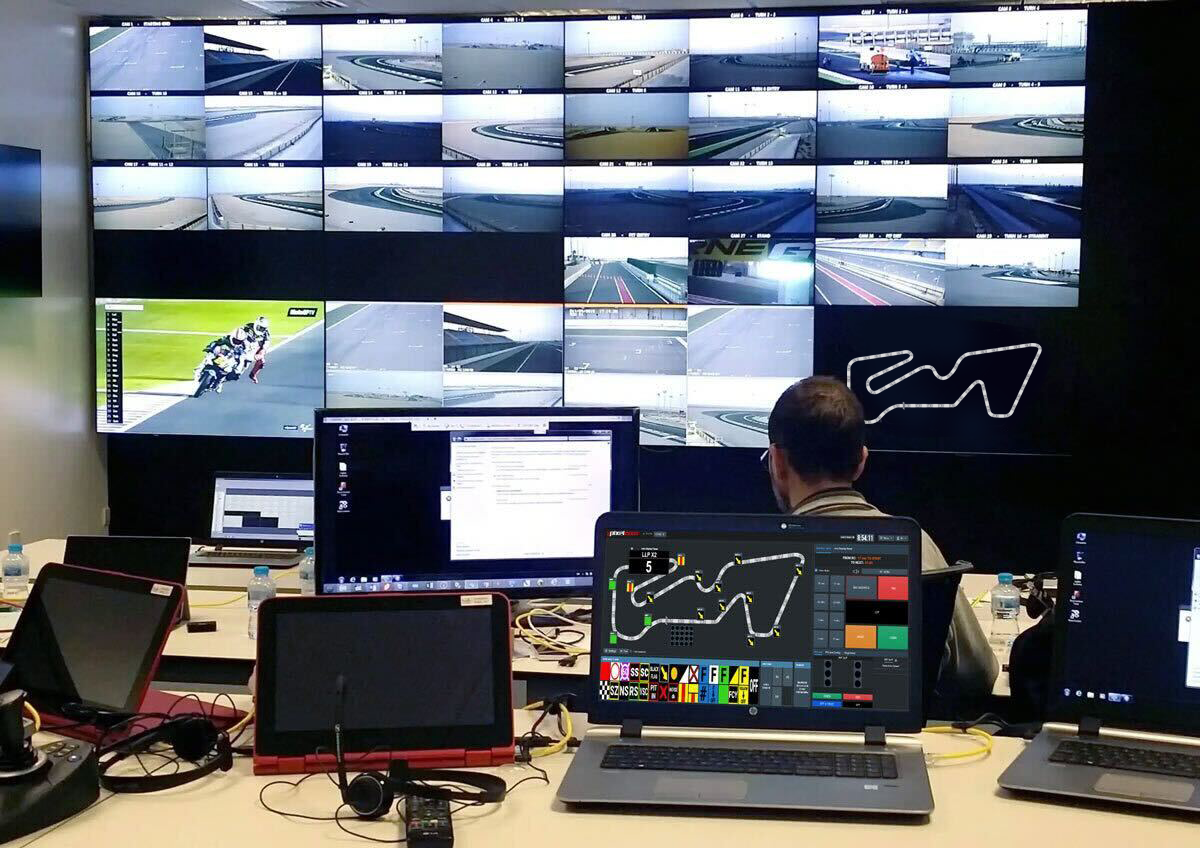
At Pixelcom, we develop timing hardware and software for racing circuits and karting centres. The decoder connects on-track detection with timekeeping management and is one of the components that determine the reliability of the entire system.
What Is a Timing Decoder on a Racing Circuit?

A base station timing decoder is a device that identifies when a transponder passes over a detection loop and records the exact time of that event.
Each kart or vehicle equipped with a compatible transponder has its own unique identifier. When the vehicle crosses a detection point, the decoder recognises this identifier and generates a timestamp, which it sends to the timing computer for the software to process.
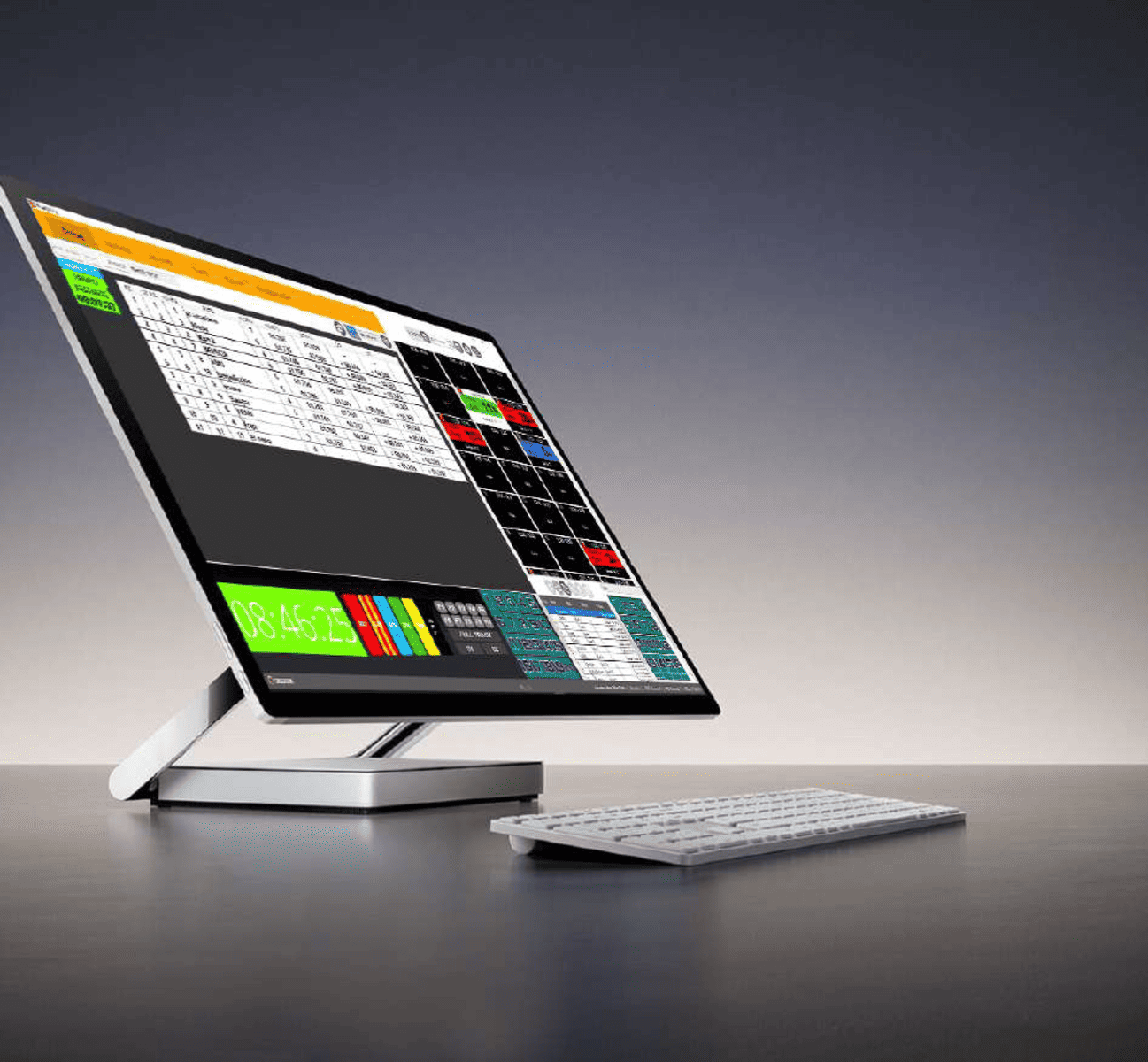
Recording a detection and calculating a lap time are two different functions: the decoder provides the detection data, while the software combines it with other detections to calculate lap times and generate results.
Where Does the Decoder Fit into the Timing System?
The decoder does not operate on its own. It requires transponders installed in the vehicles, detection loops embedded in the track to receive the signals it processes, and timing software that uses the resulting data.
If any of these components fails or is incompatible, the decoder cannot provide usable timing records, regardless of its precision.
This means that, before choosing a decoder, it is essential to check its compatibility with the transponders and timing software already in use or planned for installation.
Why Is a Reliable Timing Decoder Important?
Correctly Identifying Every Detection
During a session with multiple vehicles, each detection must be associated with the correct transponder. This identification keeps each kart’s records separate and makes it possible to build an accurate lap history.
An incorrect assignment between a transponder, vehicle, and driver can affect the results, even if the decoder has correctly recorded the detection. That is why proper session setup is also an essential part of reliable lap timing.
Automating Lap Time Recording
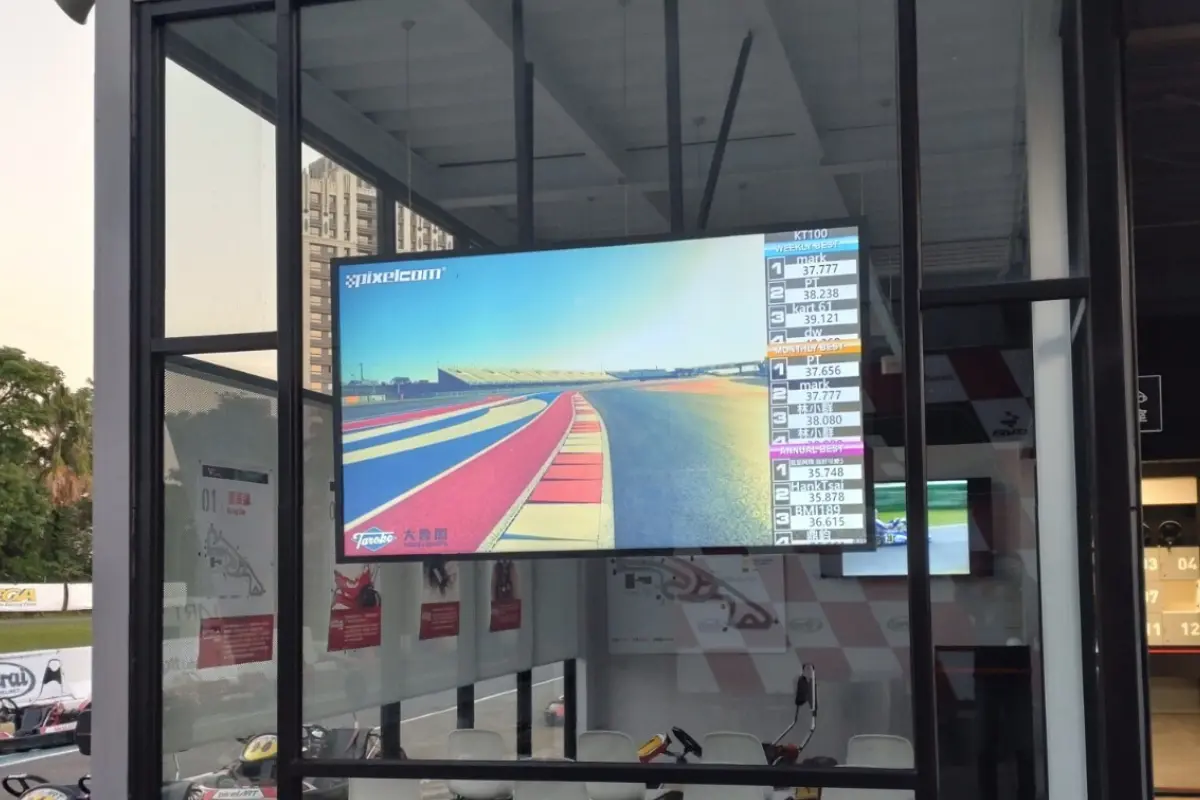
The decoder reduces the need to record finish-line crossings manually. Its records are sent directly to the software and provide the basis for calculating lap times, fastest laps, and rankings, depending on the session format.
In rental karting, this simplifies the management of consecutive sessions. In competitive racing, it allows the timing team to review the available data without relying on a separate manual recording process.
What to Consider Before Choosing a Timing Decoder

The choice of decoder should be based on the track’s actual requirements. Before requesting a quotation, it is important to clarify:
-
Compatibility: Which transponders and timing software will be used.
-
Detection points: Whether the decoder needs to cover only the start/finish line or additional intermediate sectors.
-
Type of activity: Rental karting, practice sessions, or competitive racing, as each requires a different timing configuration.
-
Installation: Equipment location, power supply, and connections to the rest of the system.
-
Support and maintenance: How detections are checked and what technical assistance is available if an issue occurs.
If a timing system is already installed, it is worth reviewing which components can be retained and which may need to be adapted or replaced.
Pixelcom Timing Solutions for Racing Circuits
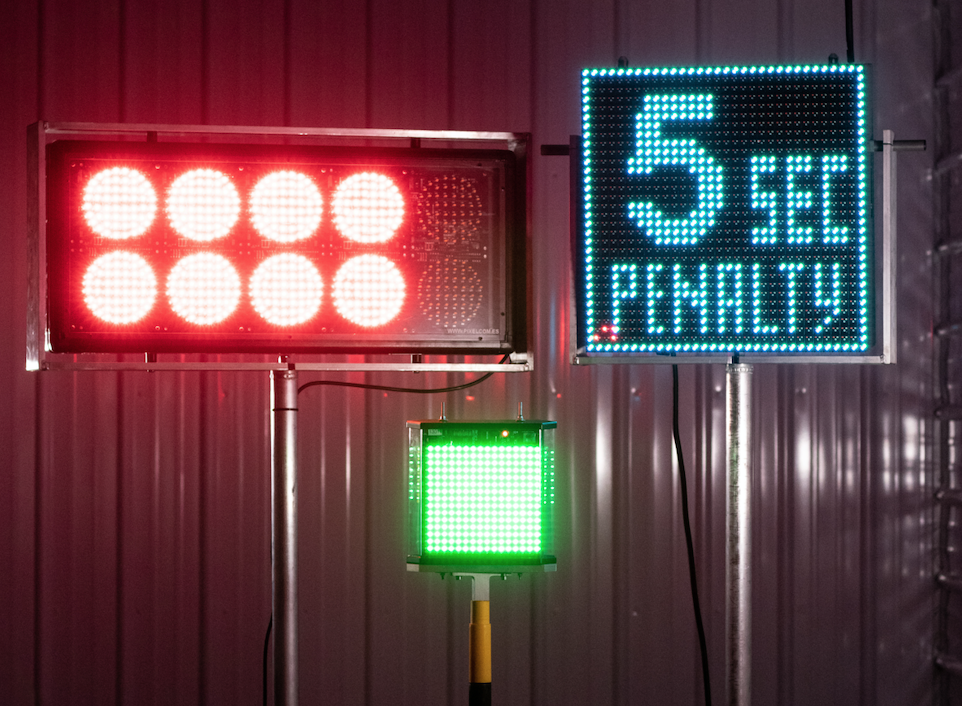
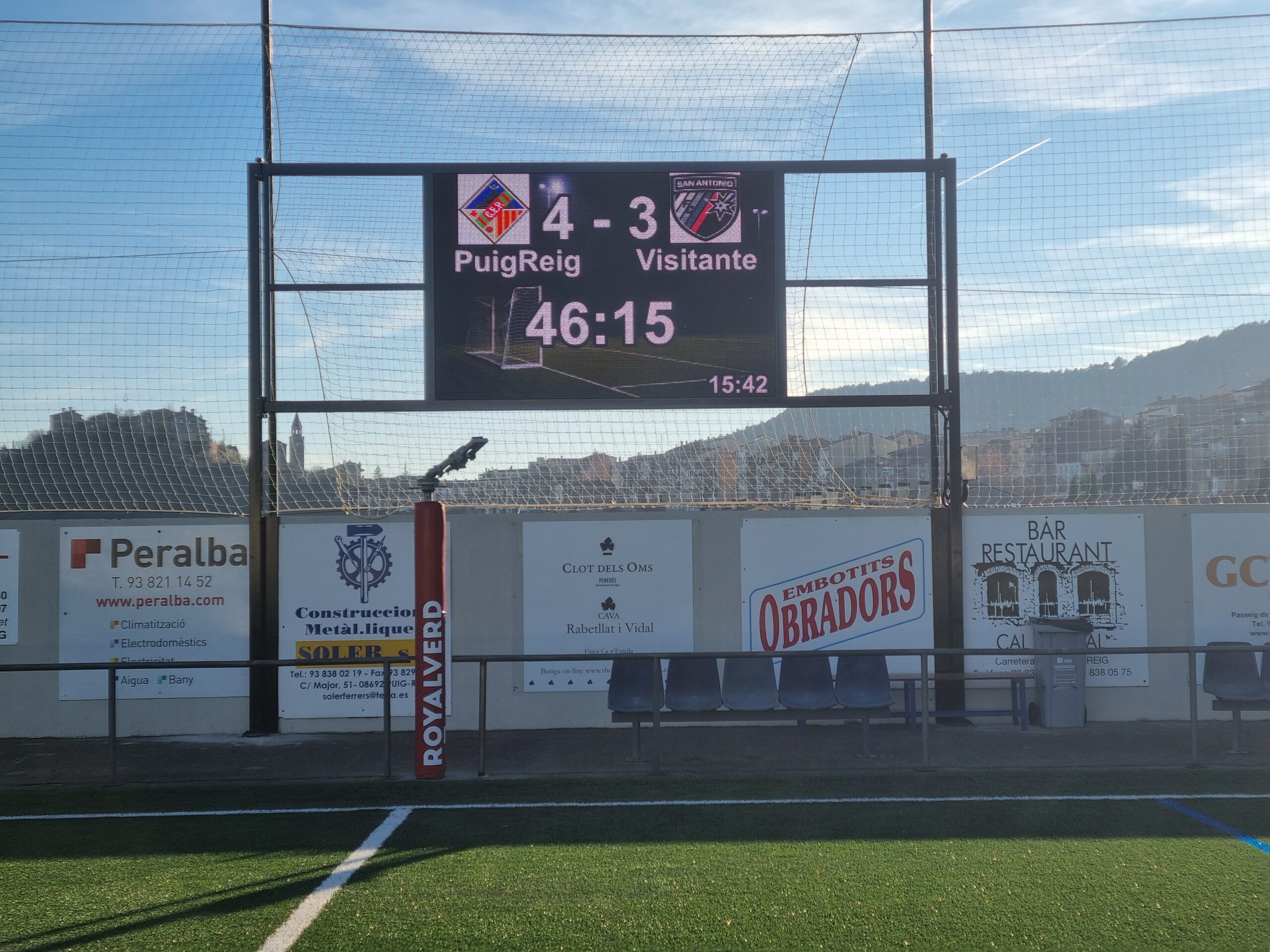
At Pixelcom, we manufacture base station timing decoders and develop timing hardware and software for racing circuits and karting centres. Working with an integrated solution makes it possible to manage on-track detection, time processing, and results display as part of a coordinated system.
If you need to install or upgrade your track’s timing decoder, contact the Pixelcom team. Tell us which transponders you use, how you organise your sessions, and which detection points you need to monitor so we can assess the most suitable configuration.