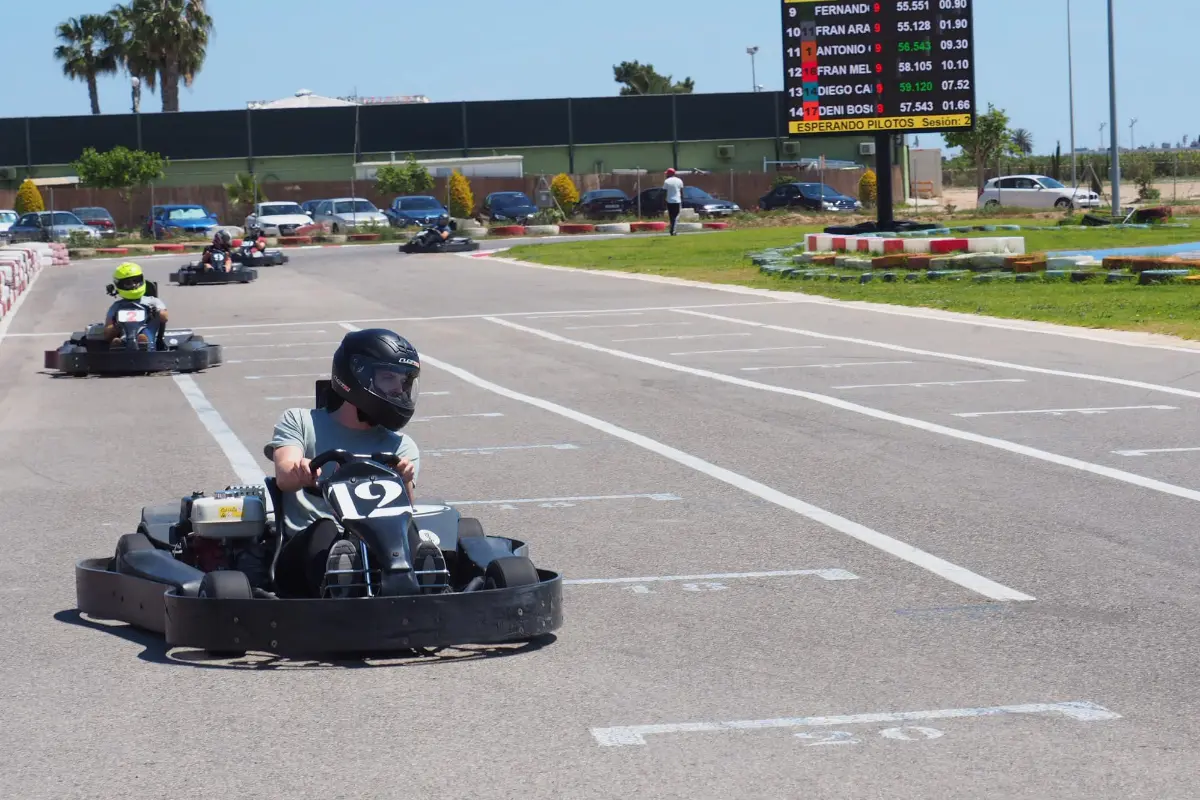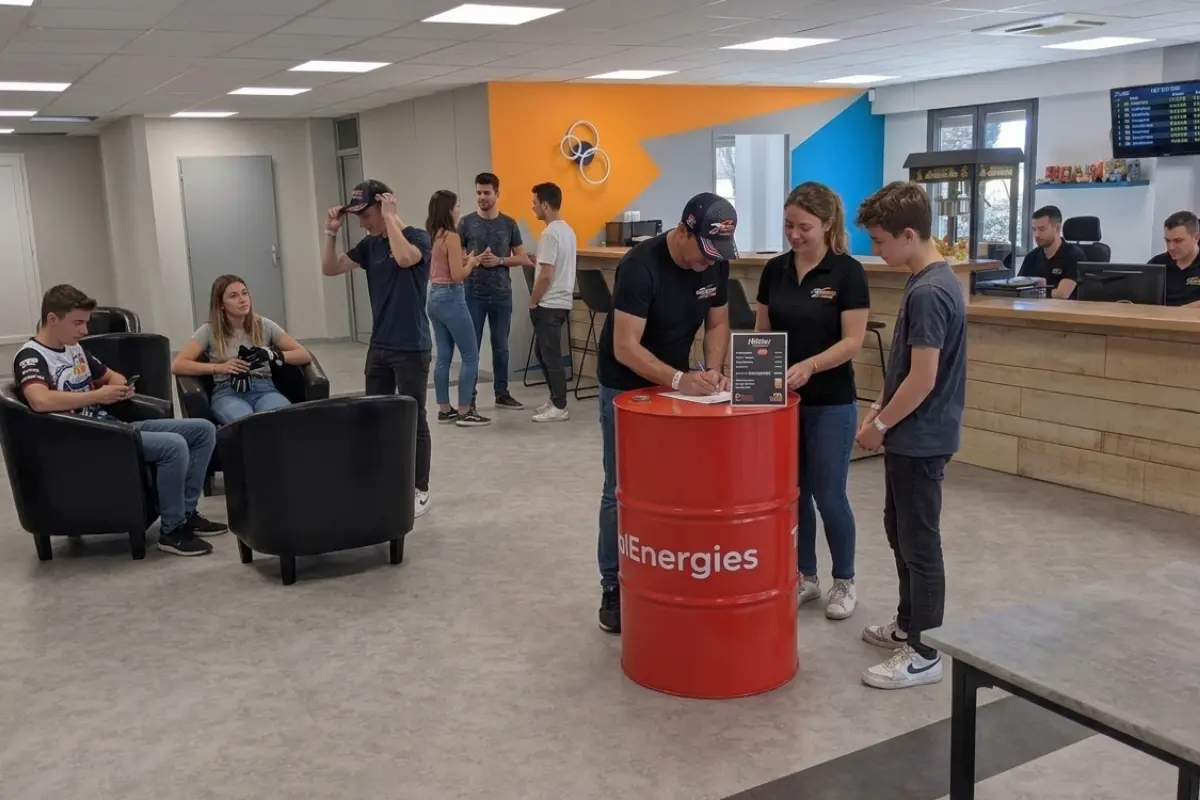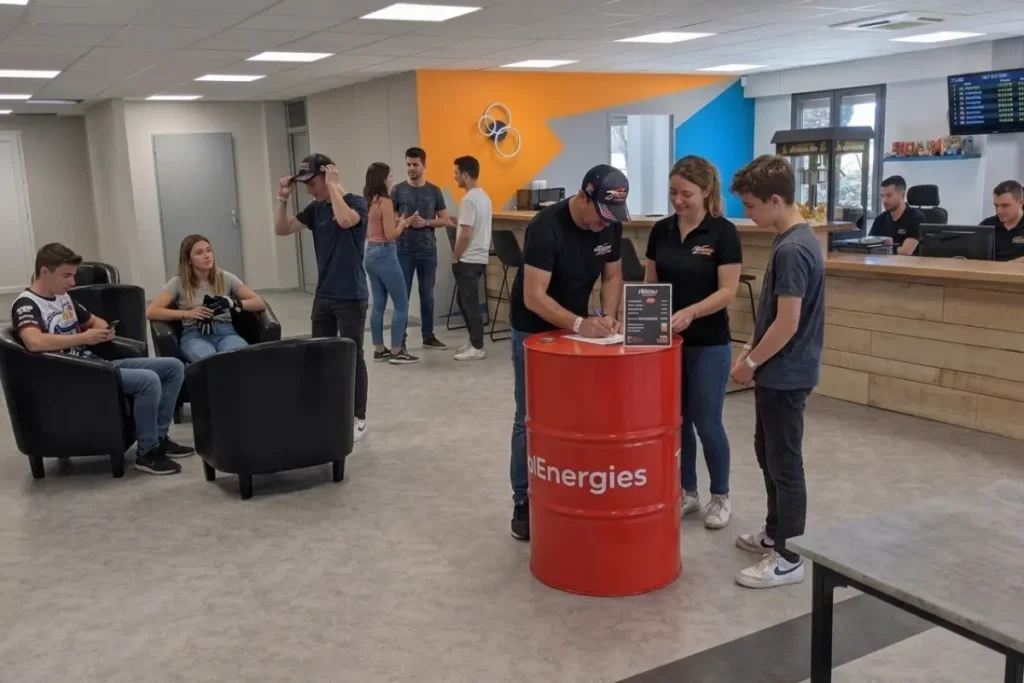
It’s Saturday afternoon. The track is packed, with birthday parties waiting, customers lining up at the front desk, and several sessions ready to start. Everything is running at full capacity, right at one of the most profitable times for a rental go-kart track.
Then, the Internet goes down.
What would be a mere inconvenience in an office can become an immediate operational problem at a go-kart track. If your software relies 100% on the cloud, a connection outage can affect timing, driver registration, the POS system, race control, and the customer experience.
In a business where every minute counts, it’s not just about losing the connection. It’s about losing sales, causing delays, increasing pressure on the team, and turning a profitable afternoon into a source of complaints.
That’s why choosing software for a rental karting track shouldn’t depend solely on its features. You also need to ask yourself a key question: can your track continue to operate if the Internet goes down?
A go-kart track doesn’t operate like an office
The cloud has changed the way many companies work. For an office, an online store, or an administrative team, using cloud-based applications can be convenient and flexible.
But a go-kart track doesn’t operate like an office.
A rental go-kart track combines software, physical hardware, and real-time operations. The system doesn’t just store data or manage reservations; it can also directly influence the track’s day-to-day operations.
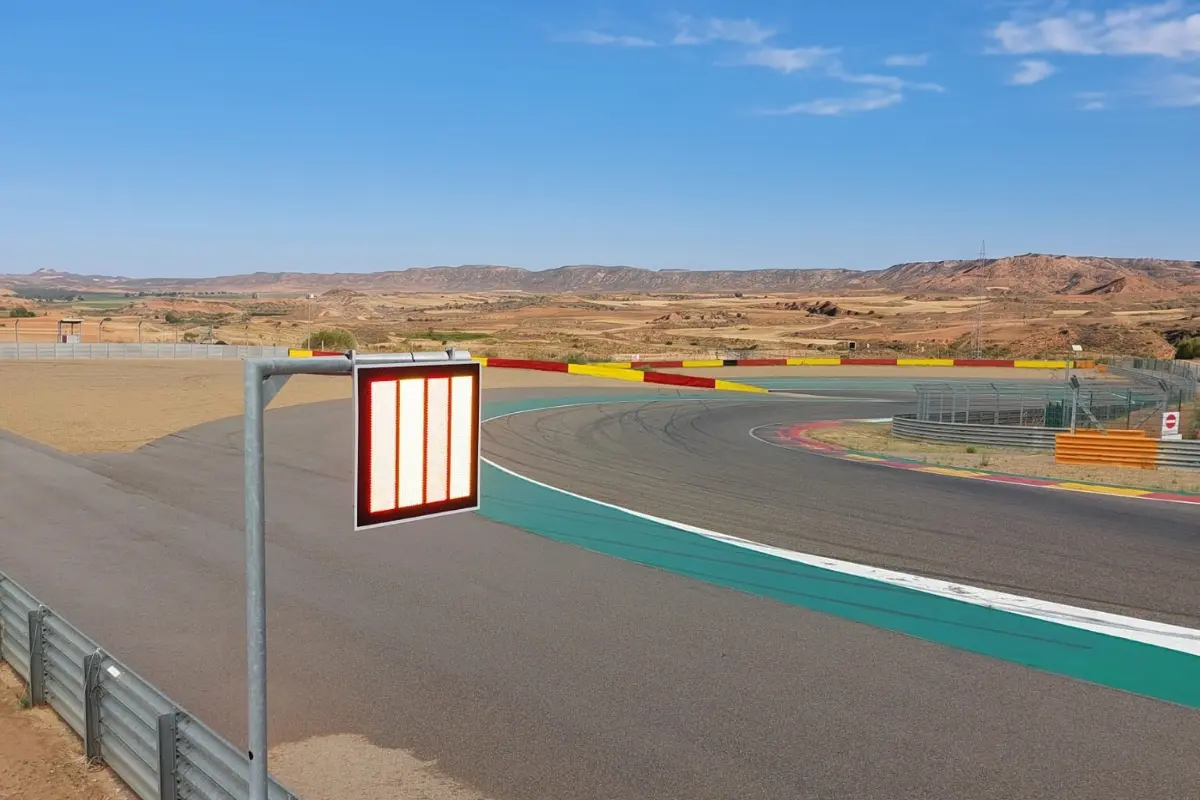
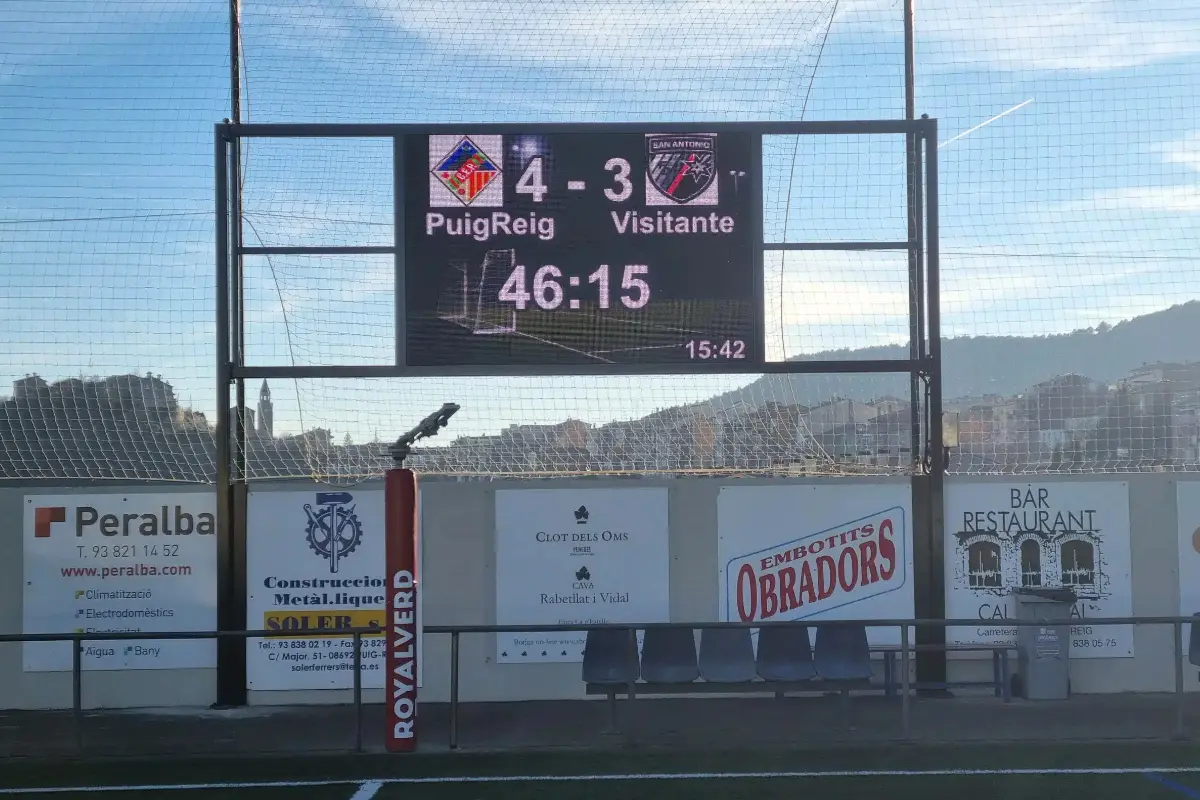
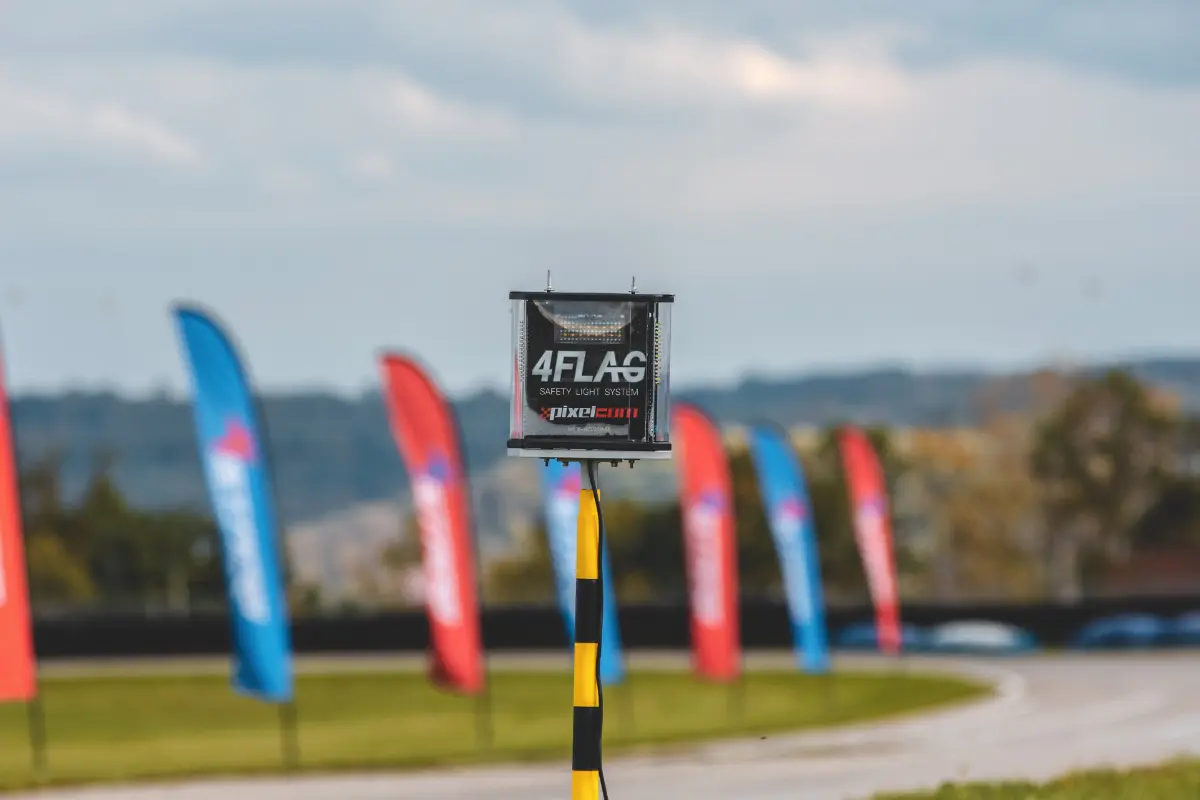
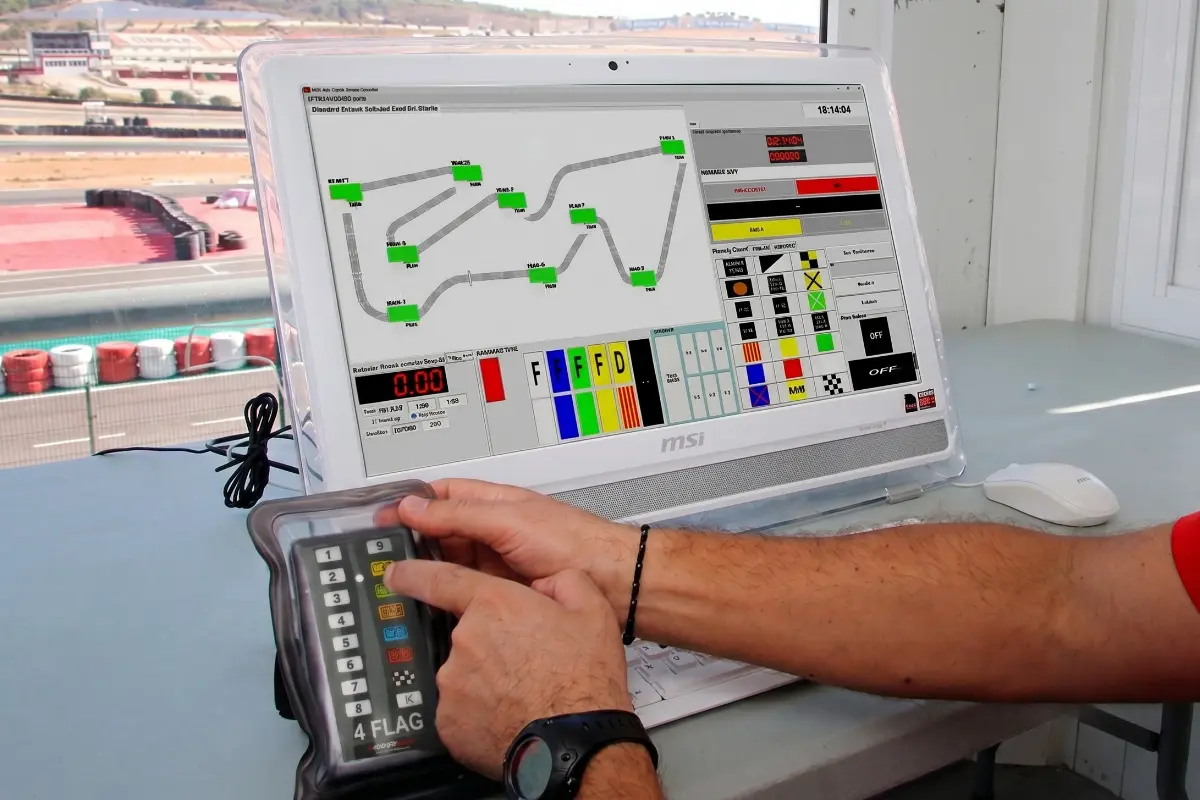
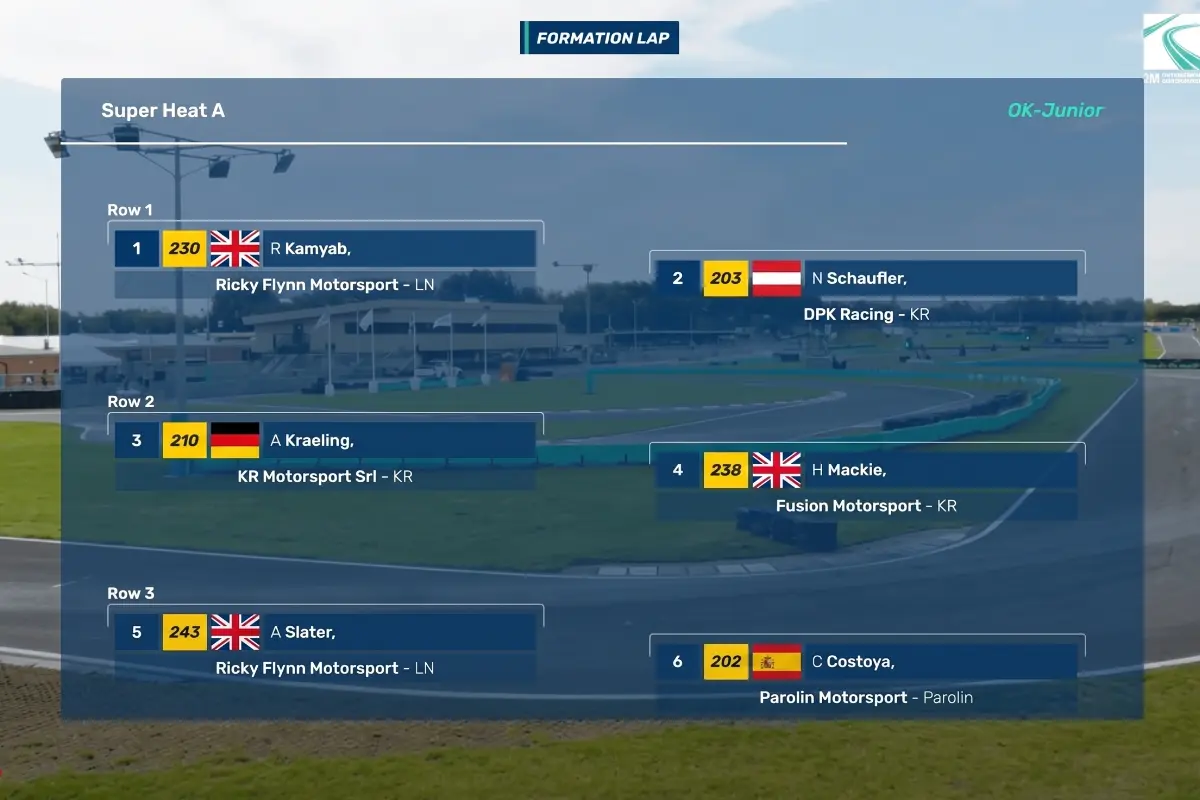
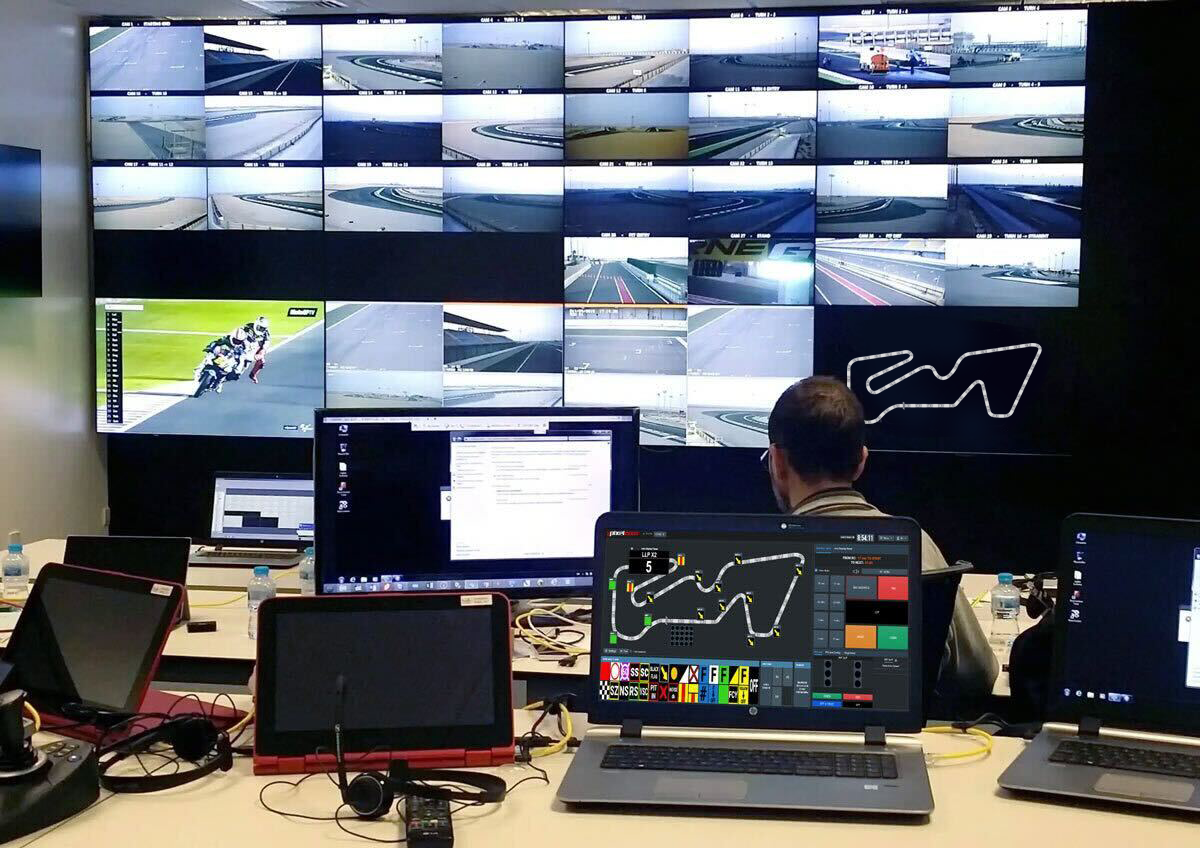
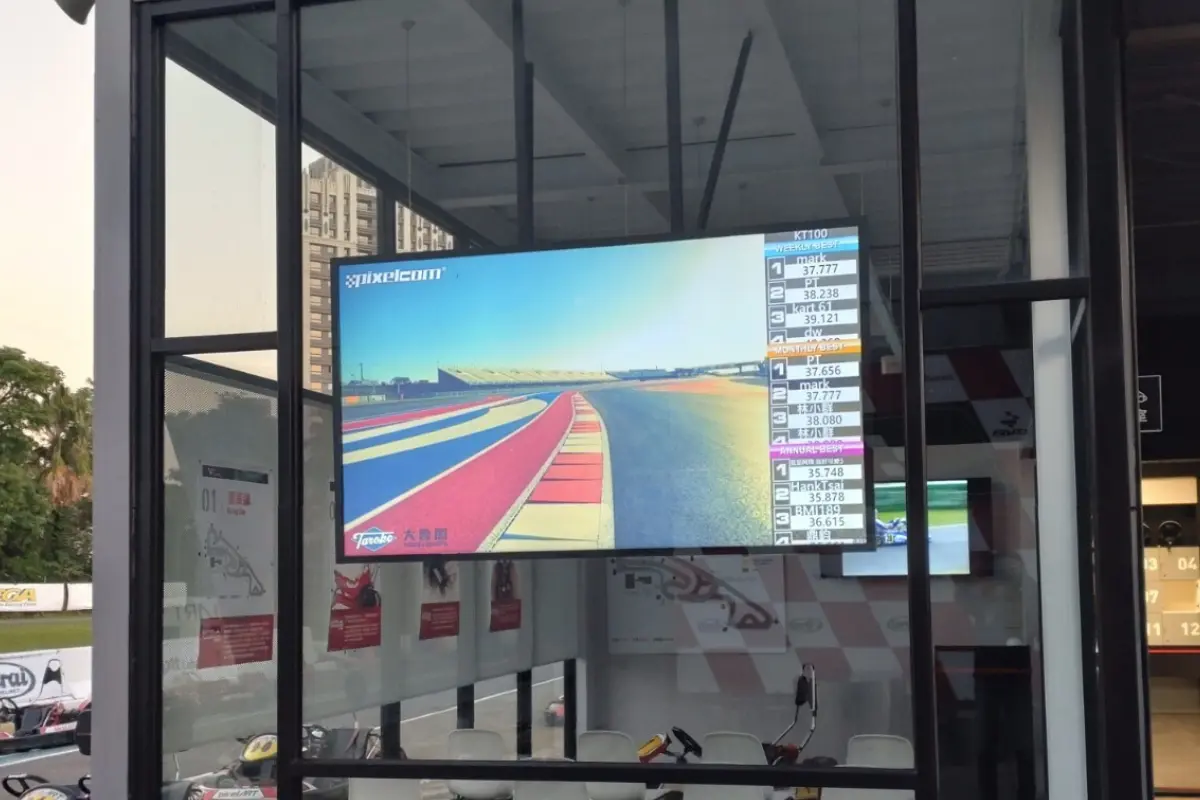
We’re talking about timing systems, transponders, traffic lights, lap time displays, POS systems, driver management, session control, and coordination of on-track activity. All these elements must operate reliably, quickly, and in sync.
When customers are waiting and races are underway, the system cannot depend on whether the connection is stable, whether the router reboots, or whether the internet service provider is experiencing an outage.
The cloud is useful for management. Local mode is essential to keep operations running without interruption.
The risk of relying 100% on cloud-based software
Many karting management systems operate as cloud-based SaaS platforms. This model may have advantages, but it also introduces a critical dependency: you need an internet connection to operate normally.
The problem arises when that connection fails at the worst possible moment.
If the system is fully hosted in the cloud, an outage can prevent you from registering new drivers, selling tickets at the POS, launching sessions, checking lap times, or managing track activity. In practice, the circuit can be blocked even if the karts, staff, and customers are ready to continue.
And the cost of that downtime is not just technical. It is economic.
Every session that does not start is lost revenue. Every customer who waits too long may request a refund, leave early, or post a bad review. Every delayed group adds pressure at the front desk and disrupts the rest of the day’s bookings.
At a rental go-kart track, weekends and peak times are key to profitability. That is exactly why relying 100% on an external connection can become too high an operational risk.
Local mode: what keeps working when the Internet goes down
Pixelcom’s karting solution can run from a local server installed on the track’s own premises. This means that, in the event of an Internet outage, business operations don’t have to come to a standstill.
When the connection fails, some online functions may be temporarily paused, such as reservations made from outside the track or certain automated emails. However, the most critical on-site operations continue to function: the track, the cash register, and customer management at the front desk.
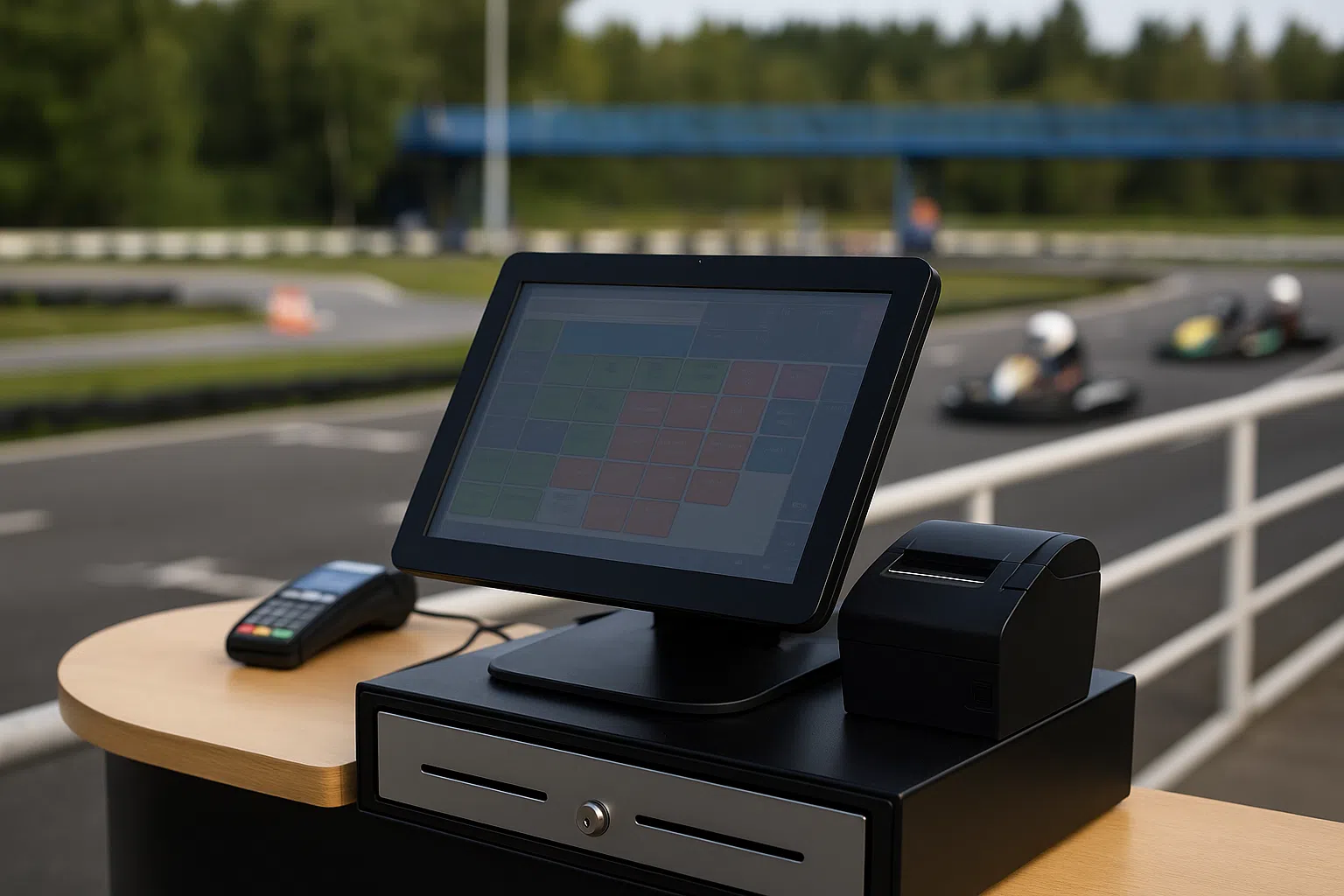
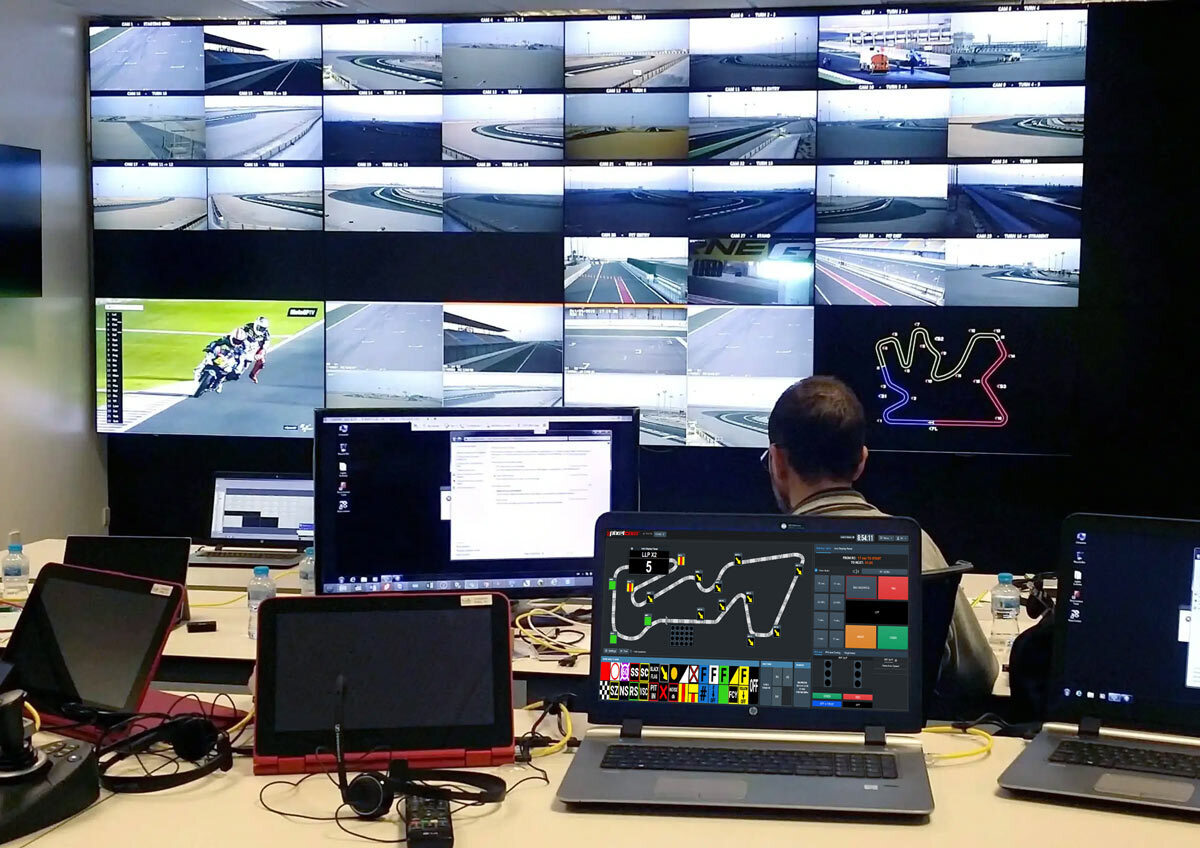
In local mode, the track can maintain precision timing, race and safety control, sales via POS, session organization, and Arrive & Drive registration; that is, the registration of customers who arrive directly at the front desk without a prior reservation.
This allows the track to continue timing laps, sending groups onto the track, managing in-person sales, and serving customers on-site even if the external connection fails.
The cloud can provide flexibility. Local mode ensures continuity.
One-time payment vs. monthly fees
In addition to operational risk, many SaaS software solutions for karting present another important consideration for owners: monthly fees.
At first glance, a subscription may seem convenient. But over time, that recurring payment becomes a permanent fixed cost. Month after month, the track continues to pay to use a tool that is essential for daily operations.
Pixelcom offers a different alternative with a one-time payment license. Instead of turning the software into an indefinite monthly rental, the owner makes an investment that can be amortized through the use of the system.
It is not just about buying software. It is about gaining control over the technology that supports the track’s daily operations.
Protect your karting operations before the next outage
At a rental karting track, the customer experience depends on everything running smoothly: reception, payments, sessions, lap times, displays, and race control.
That’s why software shouldn’t become the weak link in your business.
Pixelcom’s solution is designed to help karting tracks keep their operations running even when the Internet connection fails. Thanks to its offline mode, integration with proprietary hardware, and one-time payment model, it offers a robust alternative for owners seeking stability, control, and profitability.
Don’t let your karting track’s billing depend on an Internet connection. Talk to our technical team, and we’ll help you evaluate an offline solution tailored to your track’s operations.
Frequently Asked Questions About Offline Karting Software
1.Can karting software work without an Internet connection?
Yes, if it has an offline mode. In that case, the track’s critical functions can run from a server installed on-site, without constantly relying on an external connection.
2.What happens if the Internet goes down at a go-kart track?
It depends on the system used. If the software is 100% cloud-based, an outage can affect the POS system, timing, driver registration, and race control. With an on-premises system, essential operations such as timing, POS, session management, race control, and Arrive & Drive registration can continue as usual.
3.What are the advantages of the on-premises mode at a go-kart track?
The main advantage is operational continuity. The track can continue to manage races, times, sessions, and sales even if there are connection issues. Online reservations and automated emails may be paused, but on-site business continues uninterrupted.
4.What is the difference between SaaS software and a one-time purchase license?
SaaS software typically operates on a monthly subscription basis. A one-time purchase license allows you to make an initial investment and avoid recurring fees for using the software.