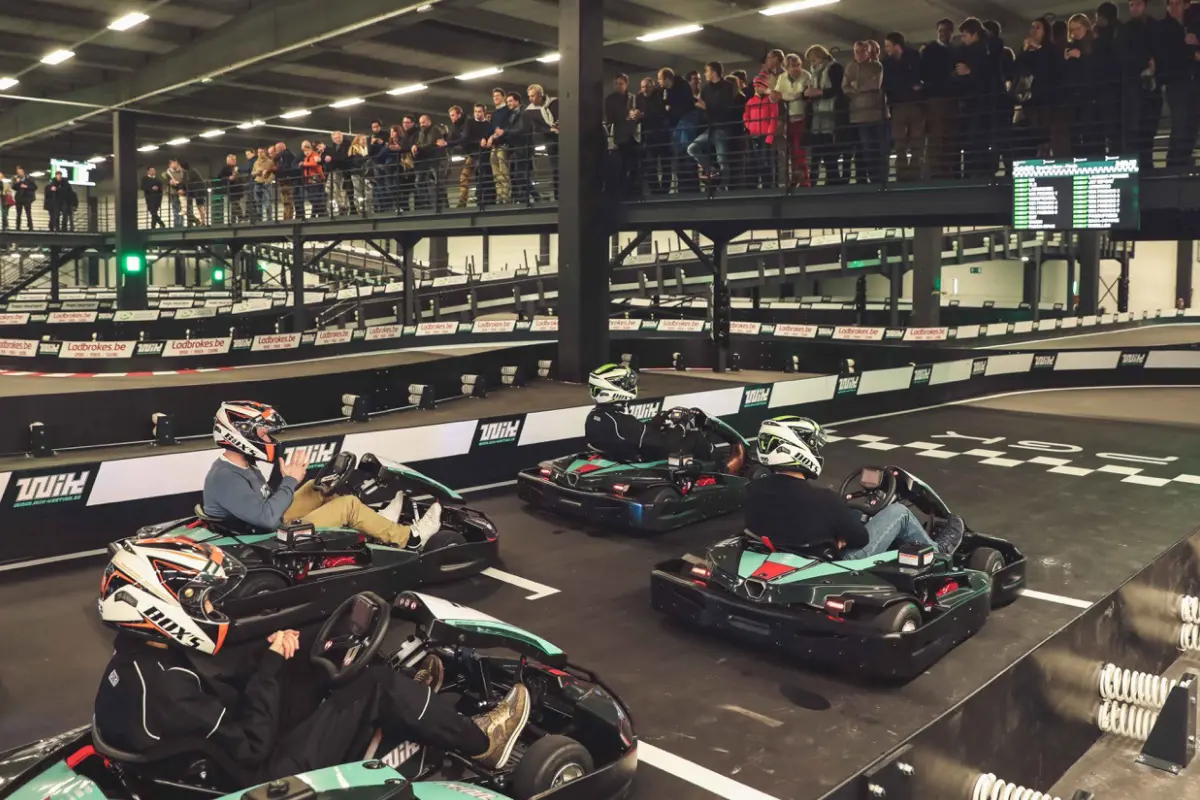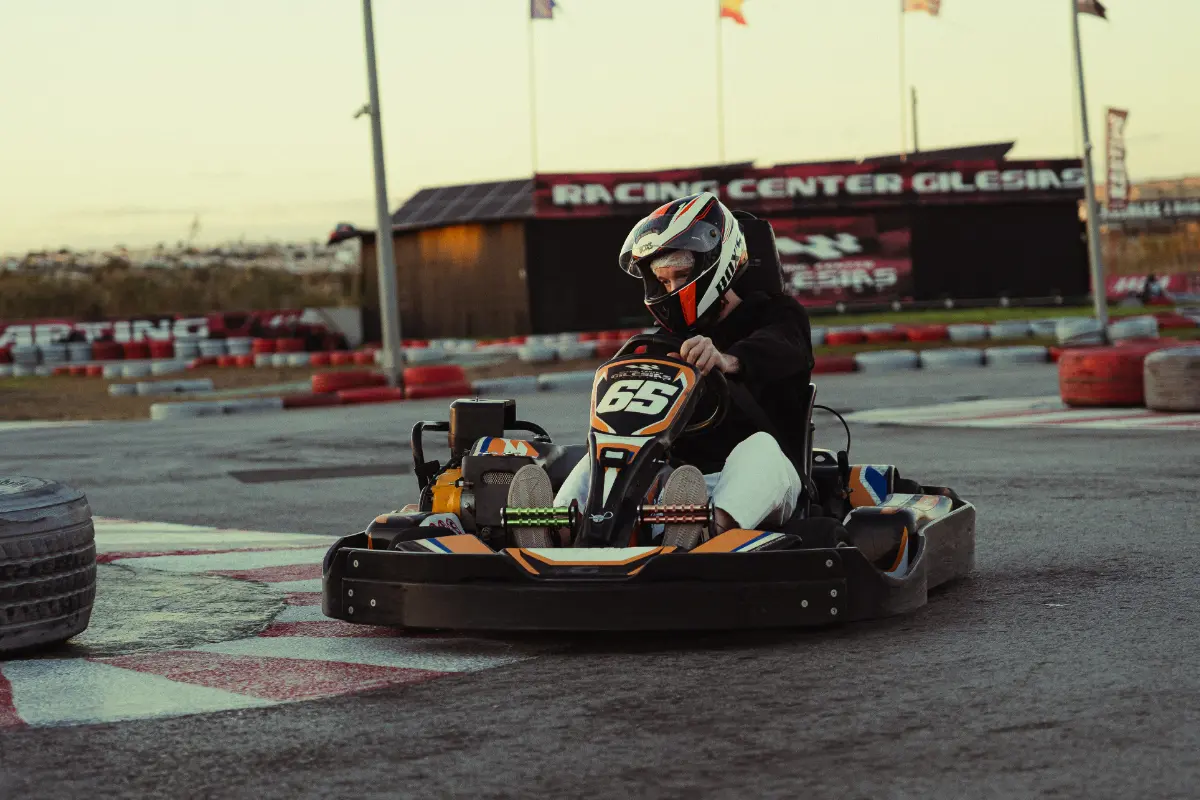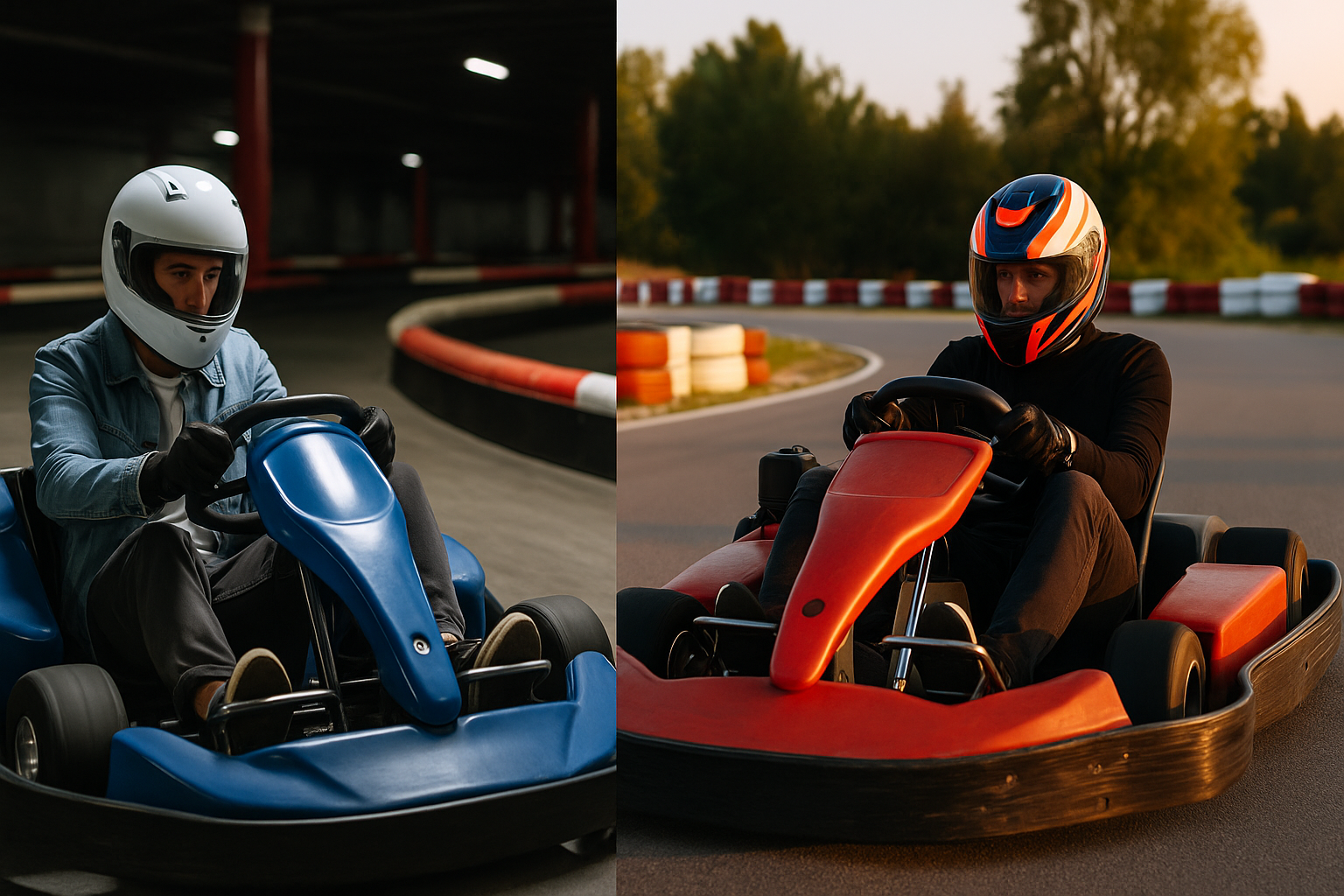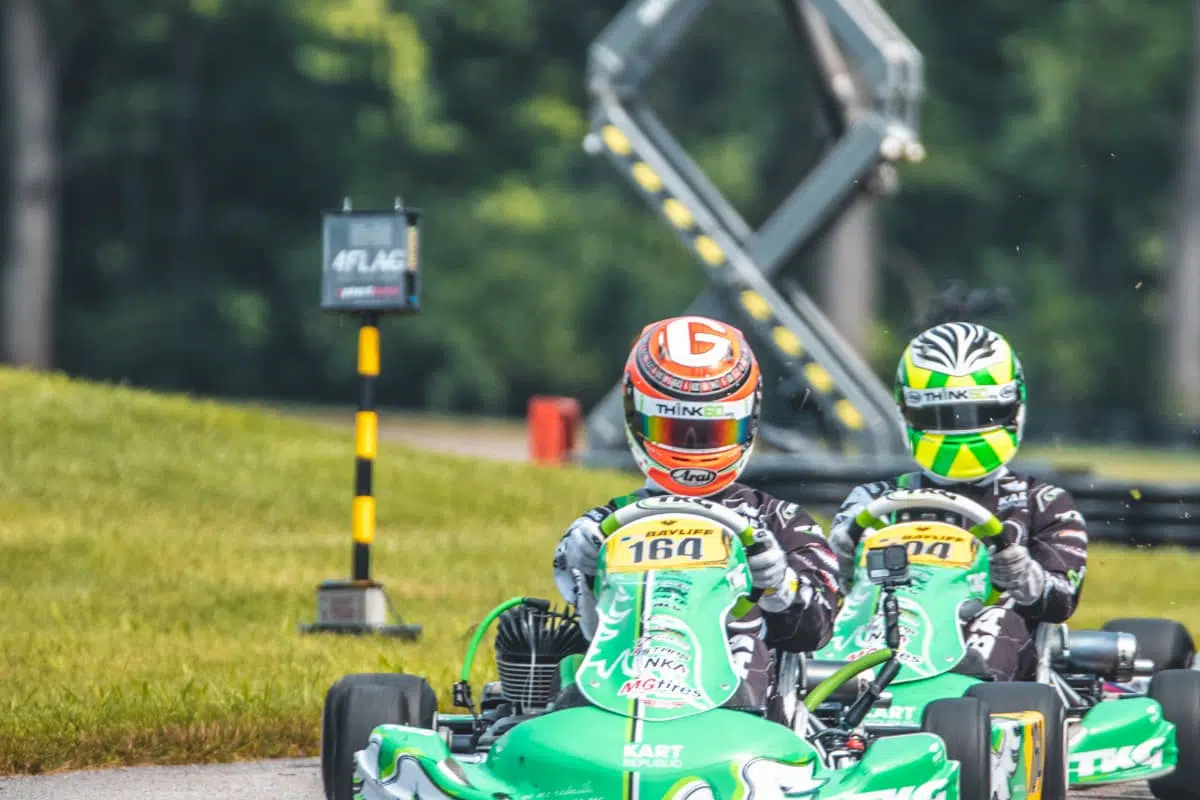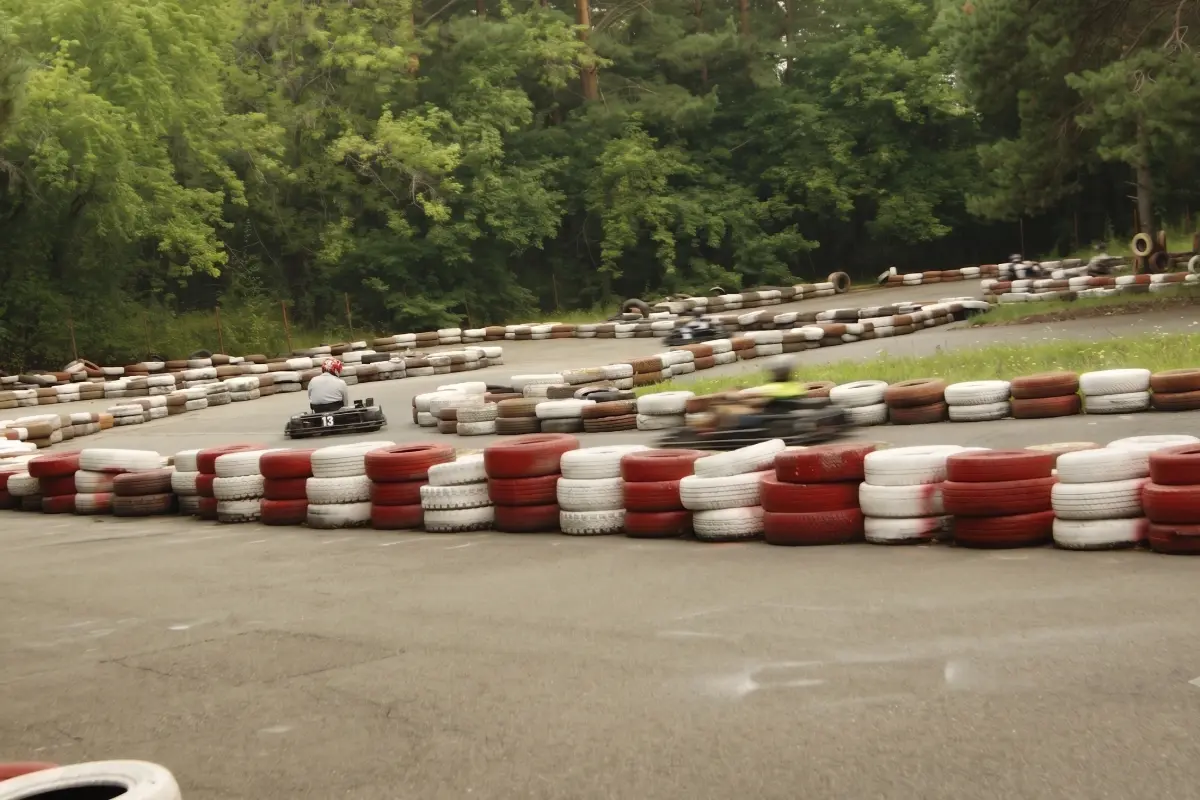
A driver who ignores instructions, rams other karts from behind, or makes aggressive blocking moves in a corner can ruin an entire session in seconds. It’s not an isolated case: almost every rental karting operator has run into that customer who treats the track as a rules-free competition at some point. The question isn’t whether it will happen, but what your team does when it does, without stopping the rest of the group’s race or turning the track into an unsafe place.
The true cost of a problematic customer
An aggressive driver on the track can lead to a direct loss of profitability. In a business where results depend on customer turnover and making the most of every time slot, any unplanned incident can generate costs on various fronts:
- Repairs. Rental karts may suffer damage to the chassis, steering or other components as a result of impacts and collisions that could have been avoided with early intervention.
- Operational bottlenecks. When an incident requires physical intervention or halting the session, the team loses operational time and the planned pace of subsequent sessions may be affected.
- Loss of repeat customers. Anyone who pays for a controlled leisure experience but is left with a sense of chaos or insecurity is less likely to return and may reflect that perception in their reviews.
This type of incident is, at its core, another potential drain on profitability, just like the more common financial leaks in a go-karting business: avoidable incidents, downtime or operational errors that recur without anyone measuring them.
The procedure: from a warning to an individual stop
The response must be proportionate to the severity of the situation and in line with the safety protocols established by each venue. Depending on the circumstances, it may be possible to take action solely in relation to the kart involved, whilst in other situations it may be necessary to slow down the overall pace or even halt the session.
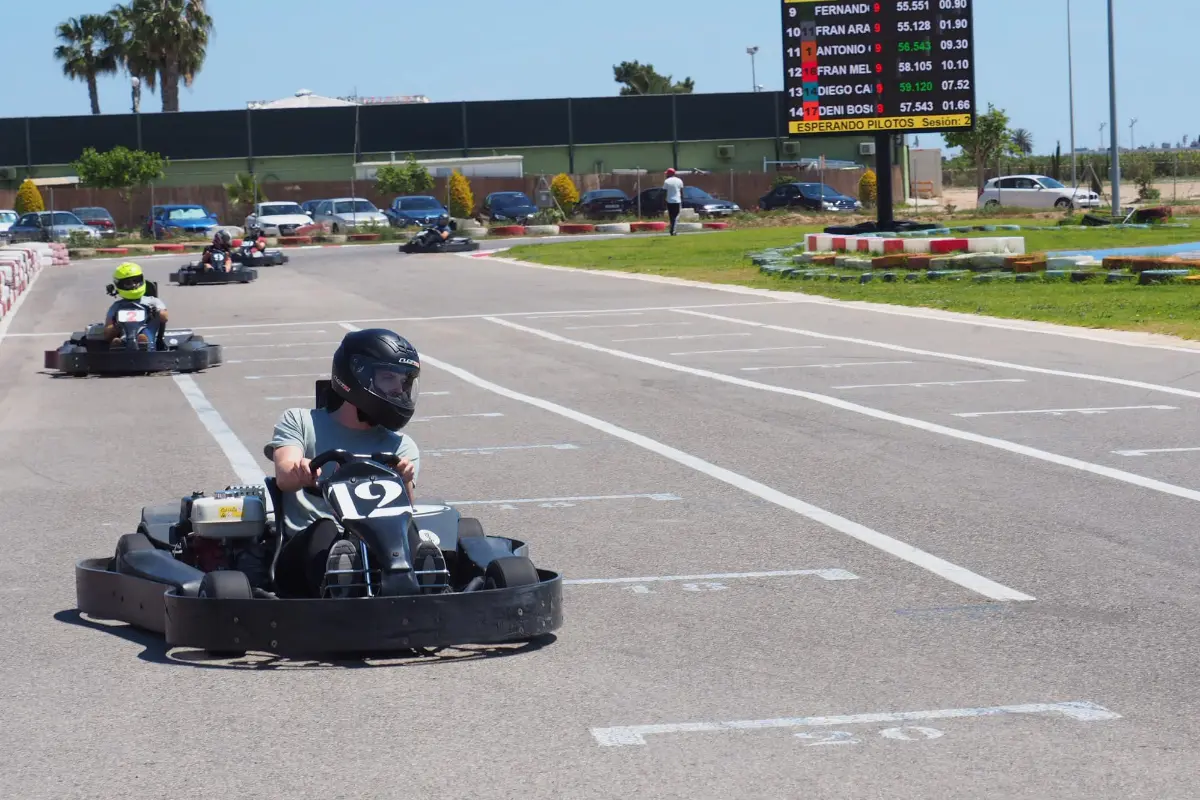
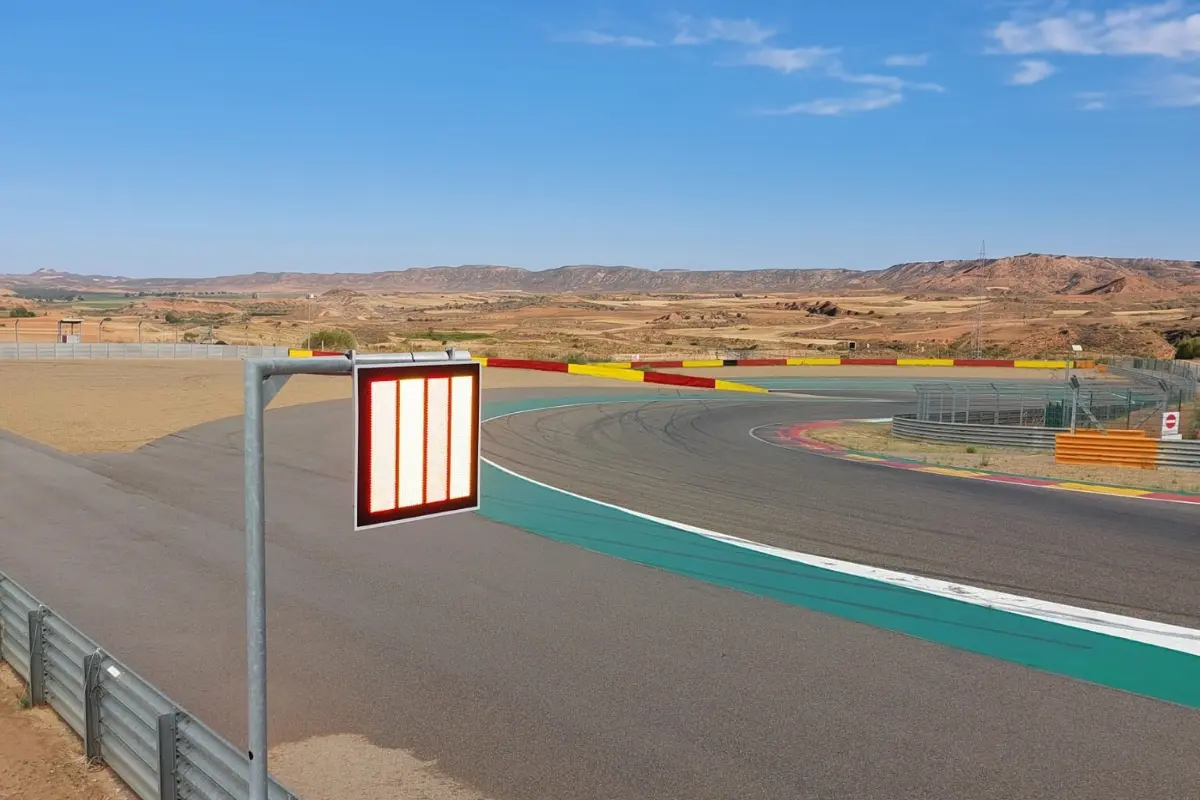
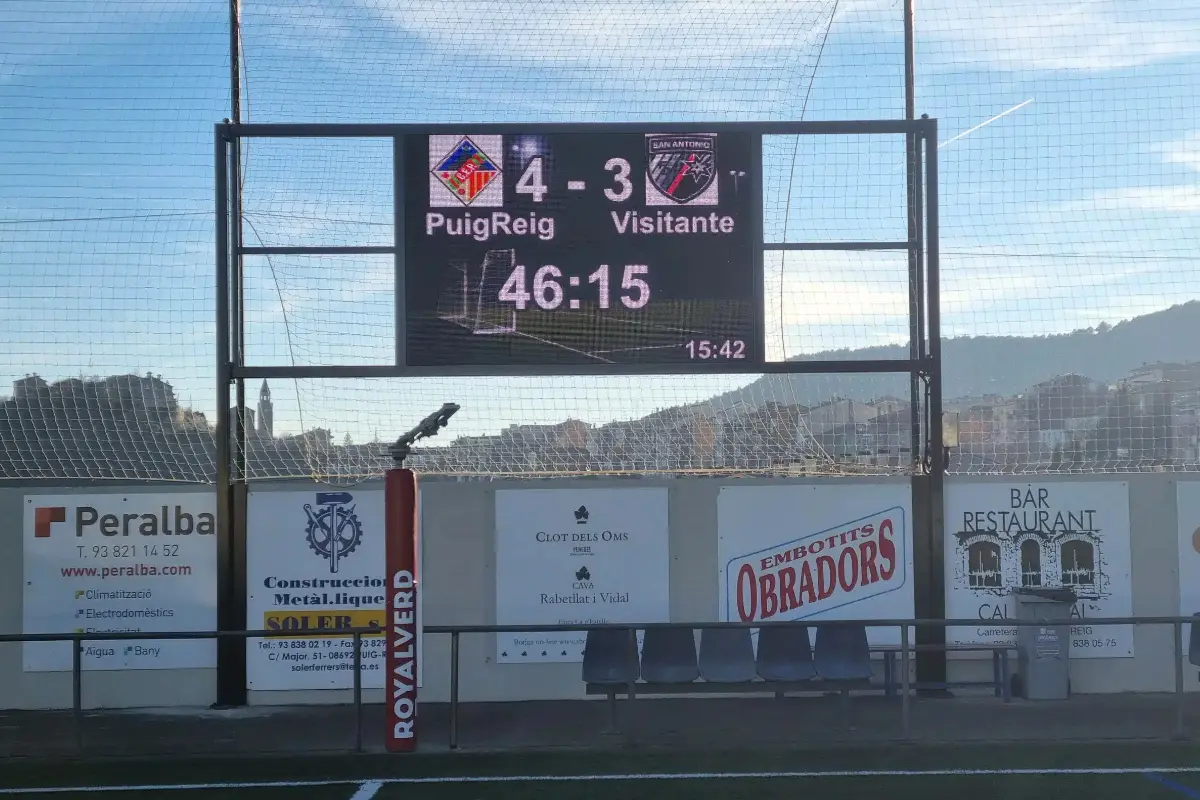
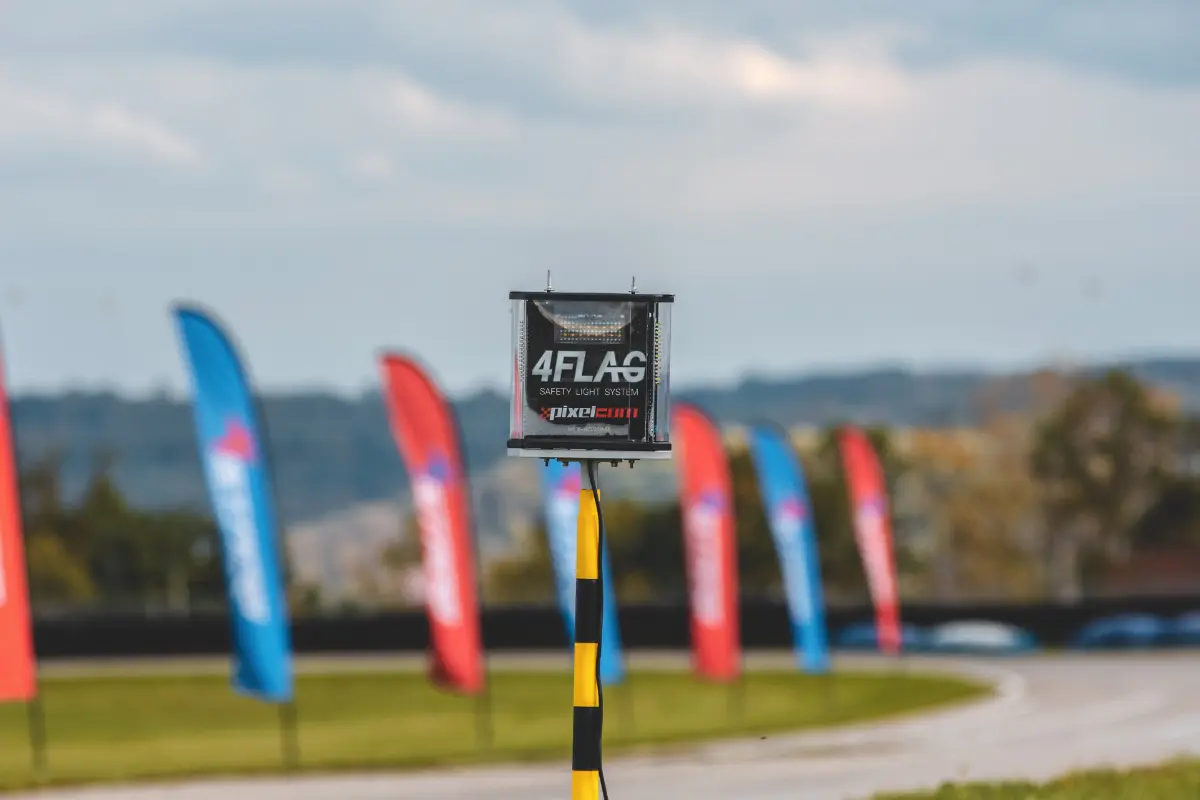
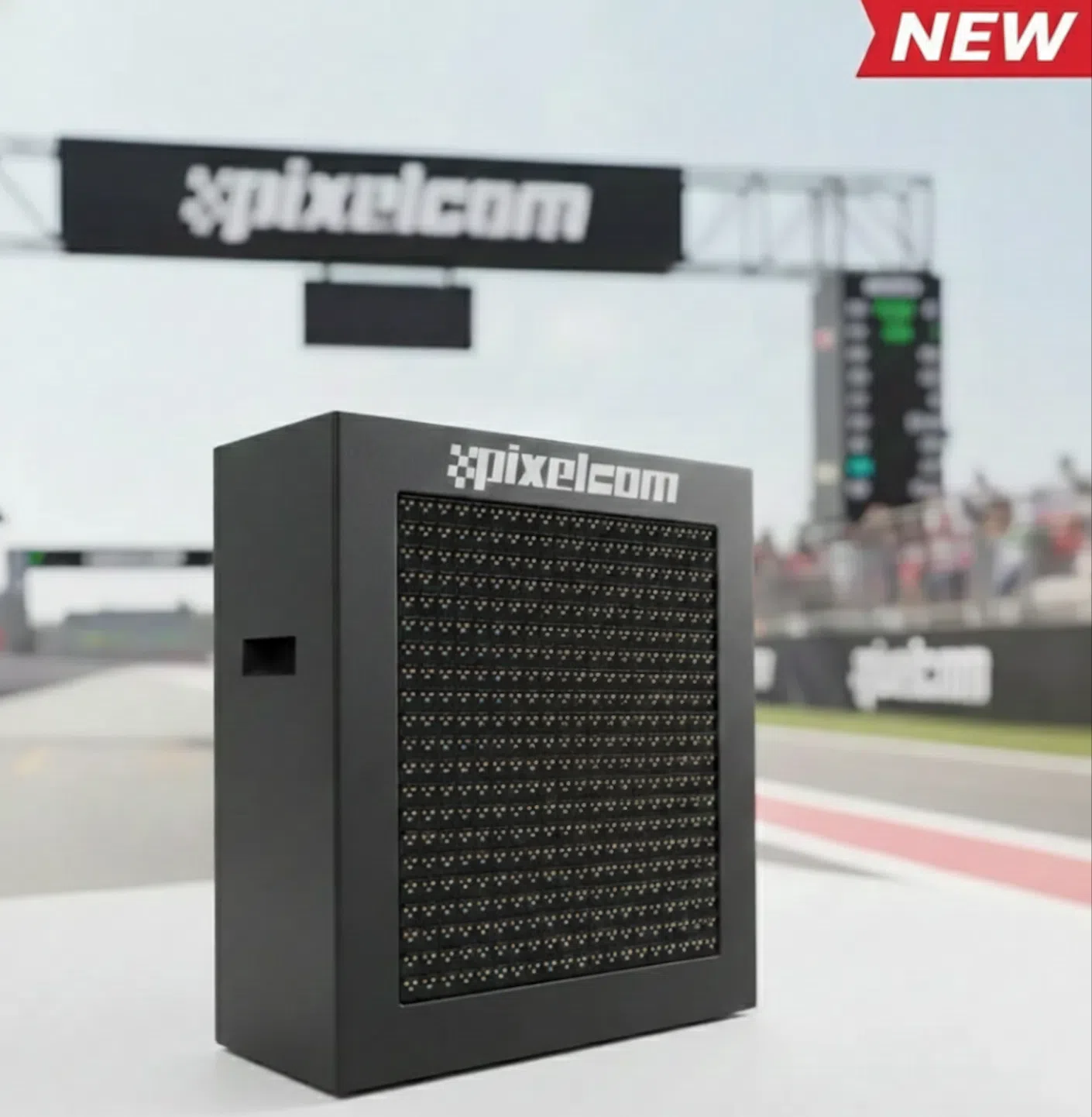
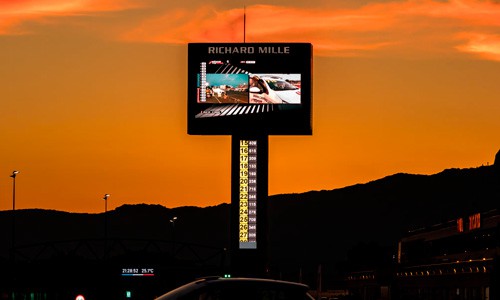
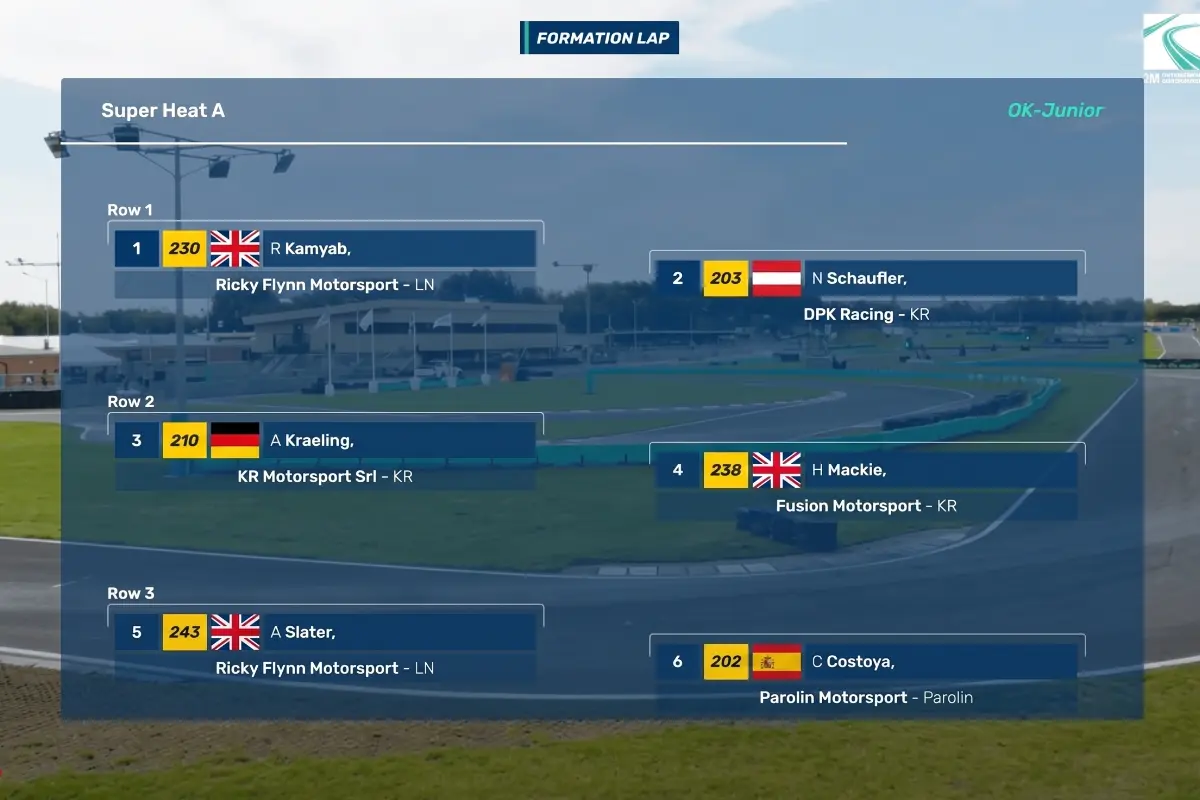
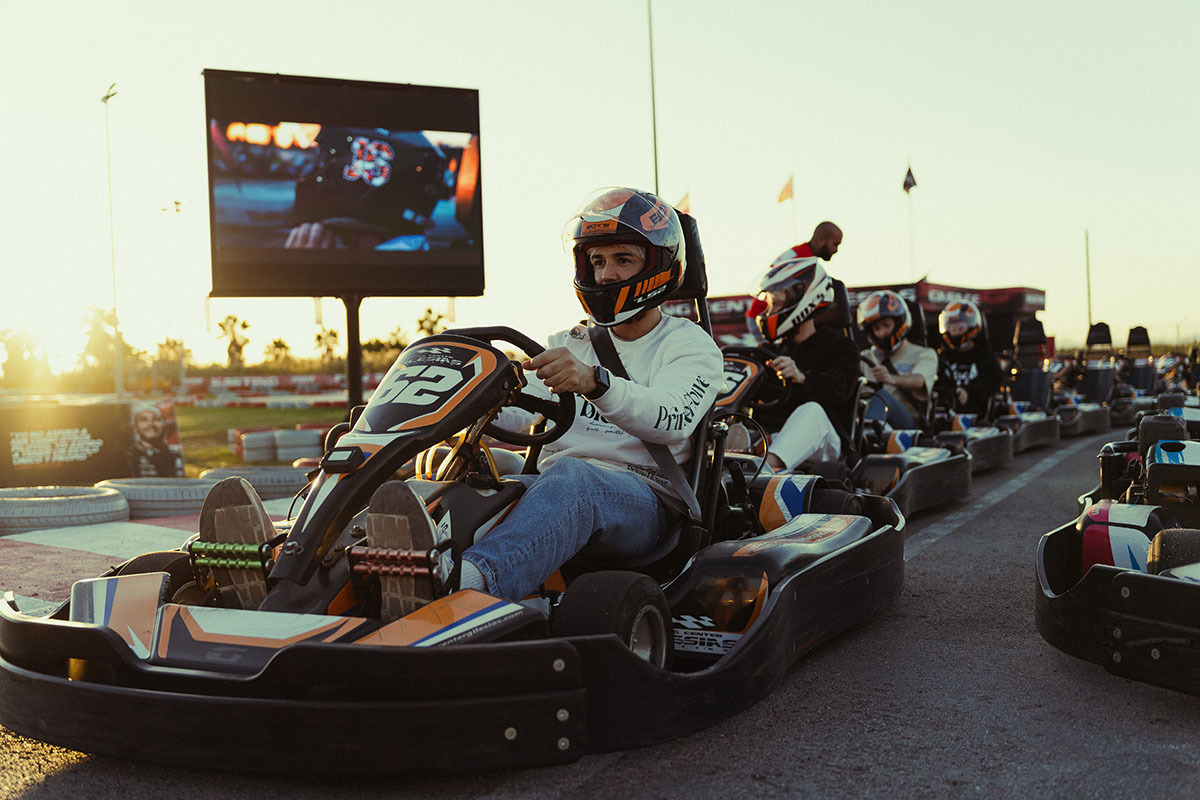
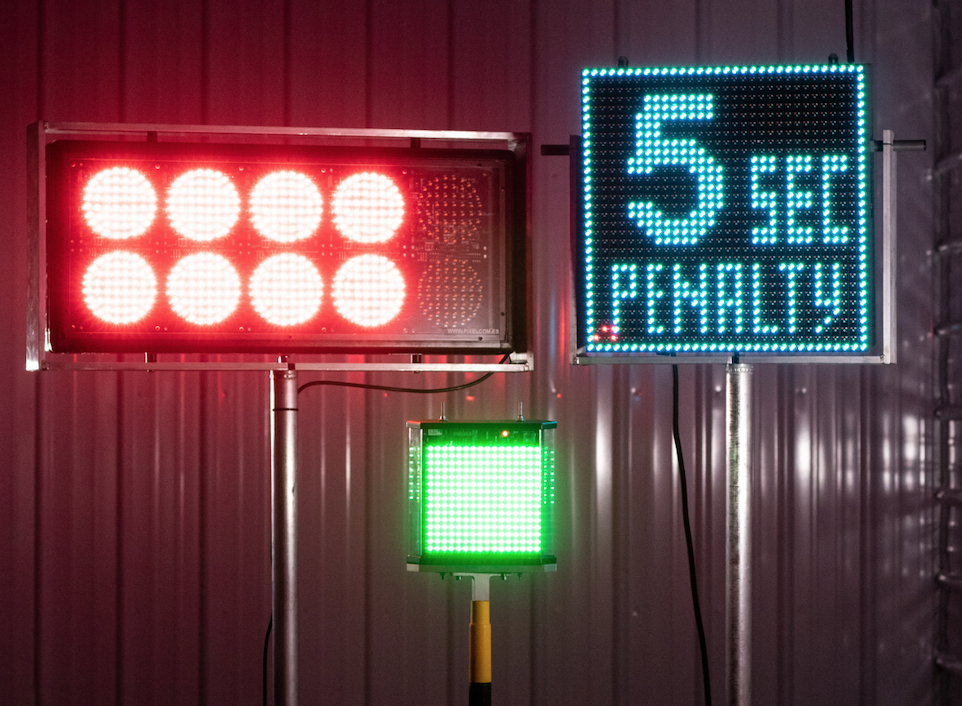
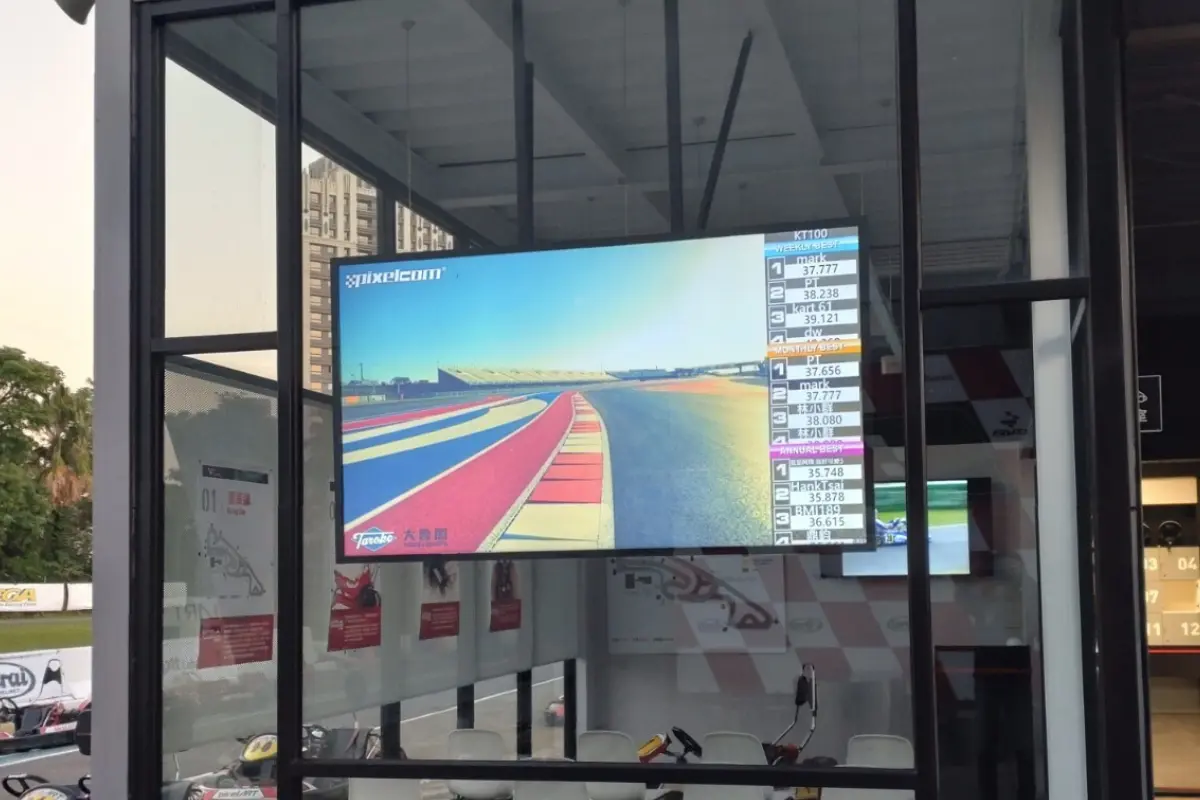
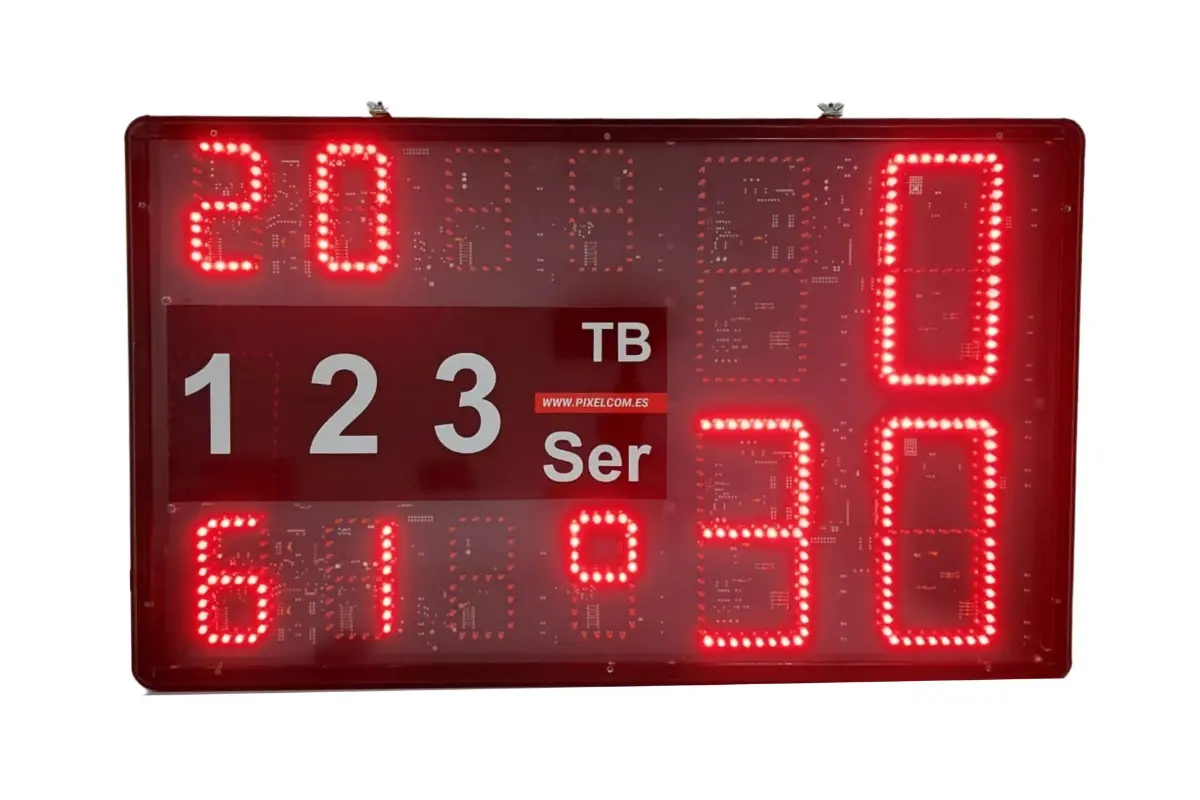
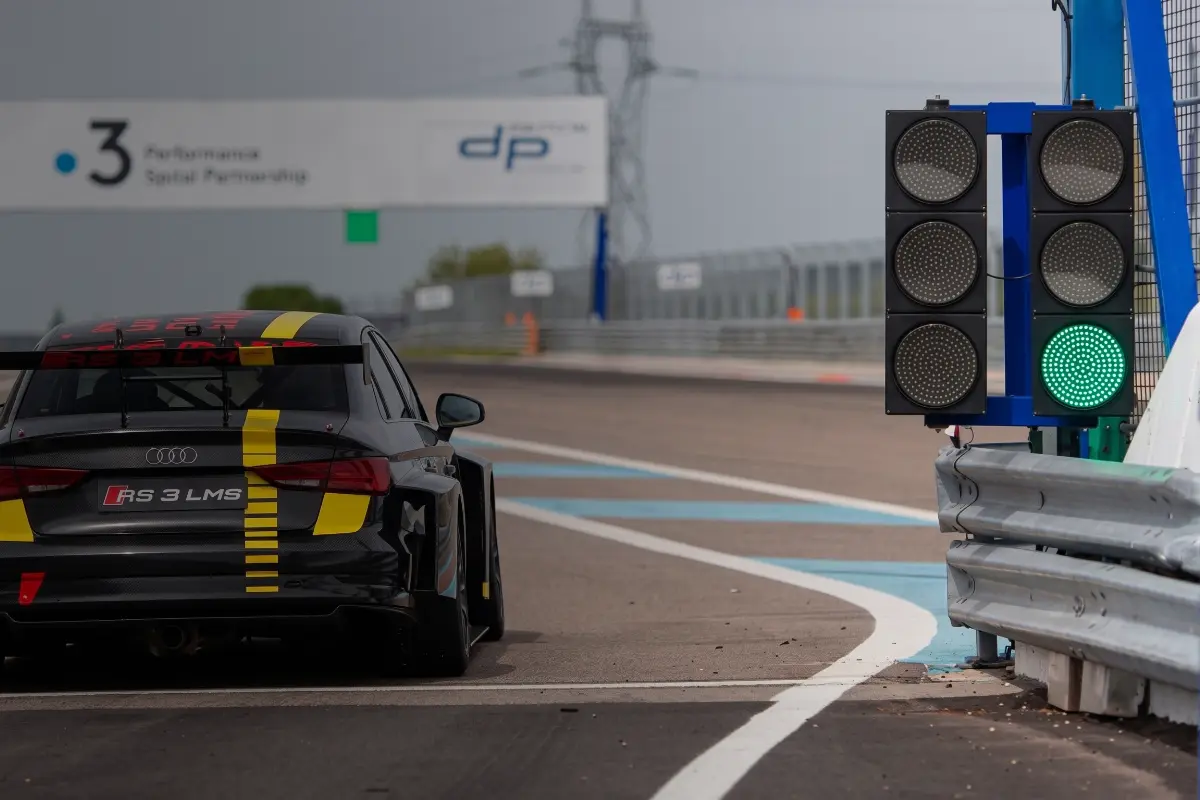
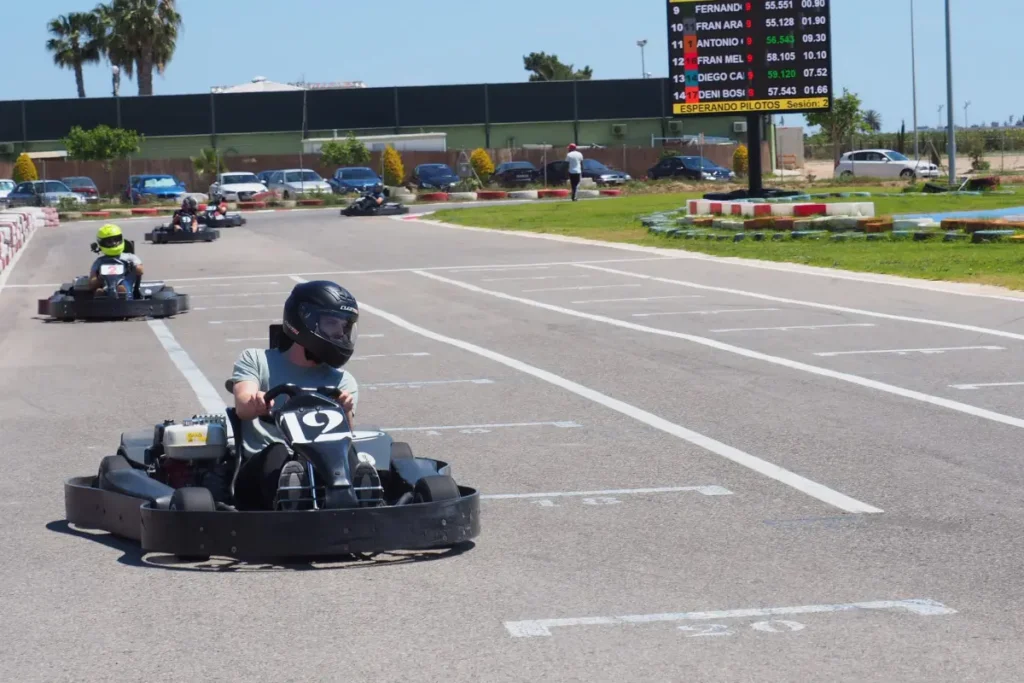
Step 1 — Warning to the driver. Where the circuit has digital signage or a public address system, staff can use these to issue a warning quickly, either visually or verbally. Depending on the system in place, it may also be possible to identify the kart or driver to whom the warning is directed.
Step 2 — Selective speed reduction. If the behaviour persists and safety conditions permit, the operator can temporarily reduce the speed of that specific kart, either via the remote control or from the track management app, without affecting the flow of the other drivers.
Step 3 — Individual kart stoppage. In situations requiring more decisive action, the track operator can use the shutdown system to remotely stop that specific kart. Provided track conditions allow, this intervention can be applied selectively; in high-risk cases, the track manager must assess whether further action is necessary, including the suspension of the session.
Team training: what every operator needs to know
For any protocol to work properly, the team must know in advance which behaviours require intervention, who has the authority to make certain decisions, and how the available control systems should be used. It is advisable to set out three things in writing:
- Define criteria for action. The team must know which behaviours warrant a warning, a speed intervention or a more far-reaching measure.
- Establish responsibilities. It is important to determine which members of staff are authorised to implement each measure, to avoid uncertainty or conflicting decisions during an incident.
- Maintain clear communication with the customer. When intervention is necessary, communication must be brief, clear and safety-focused, avoiding an unnecessarily confrontational tone.
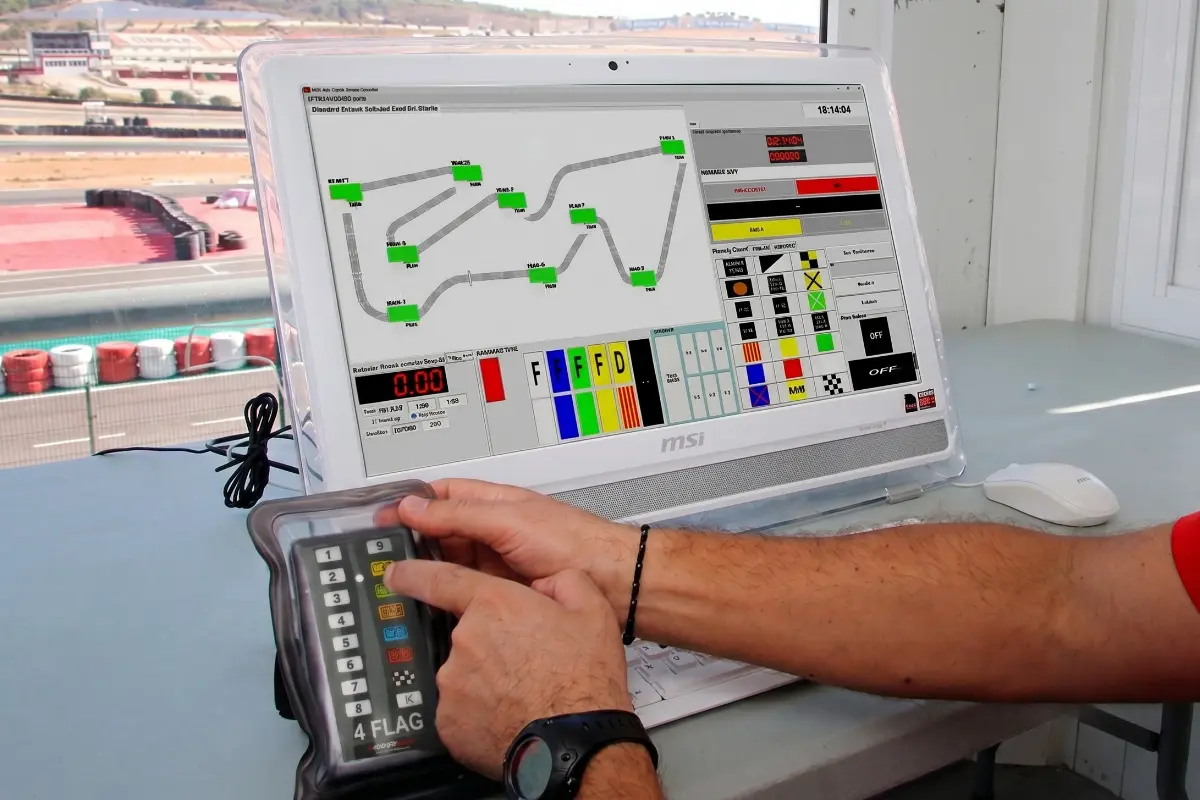
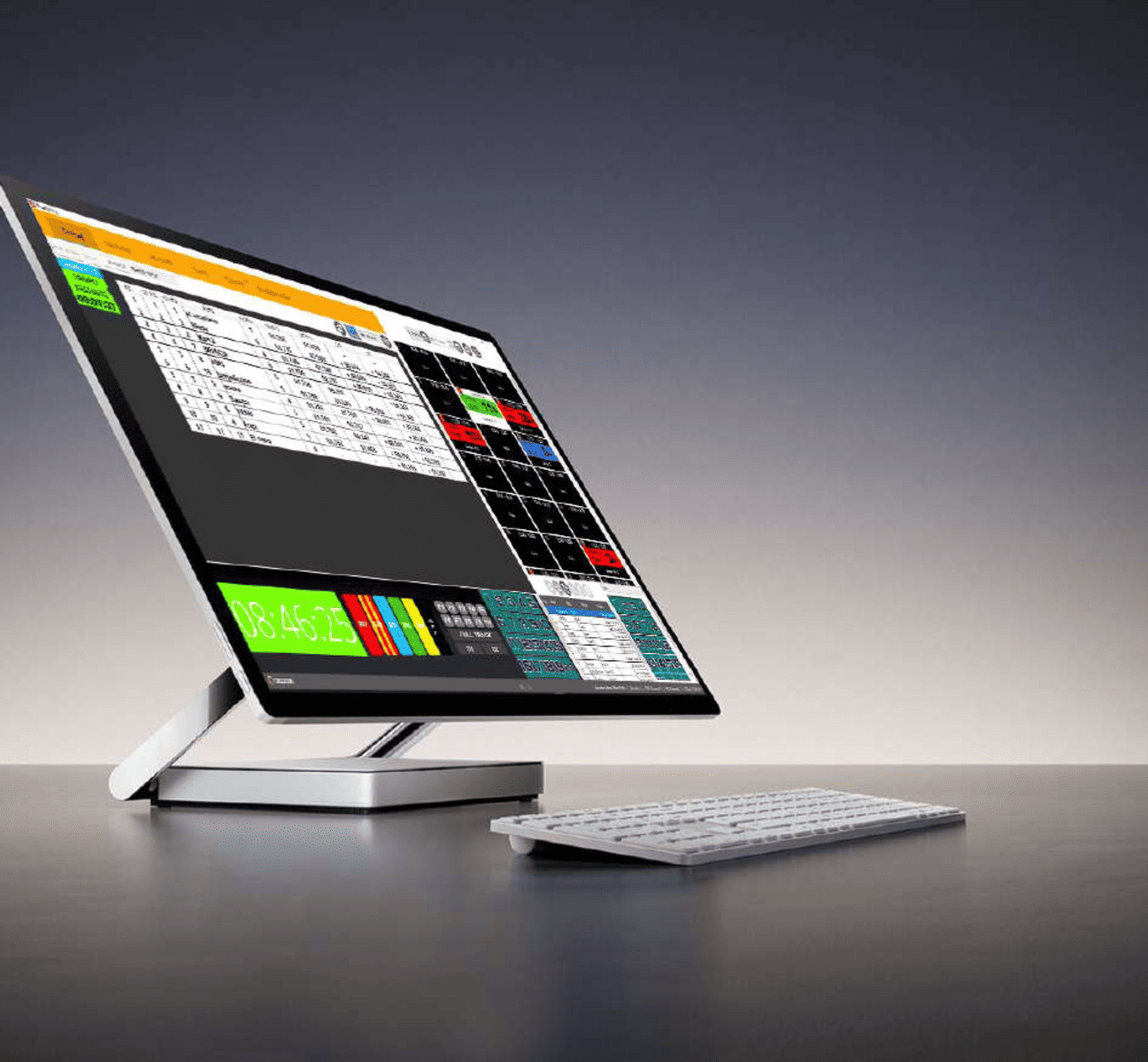
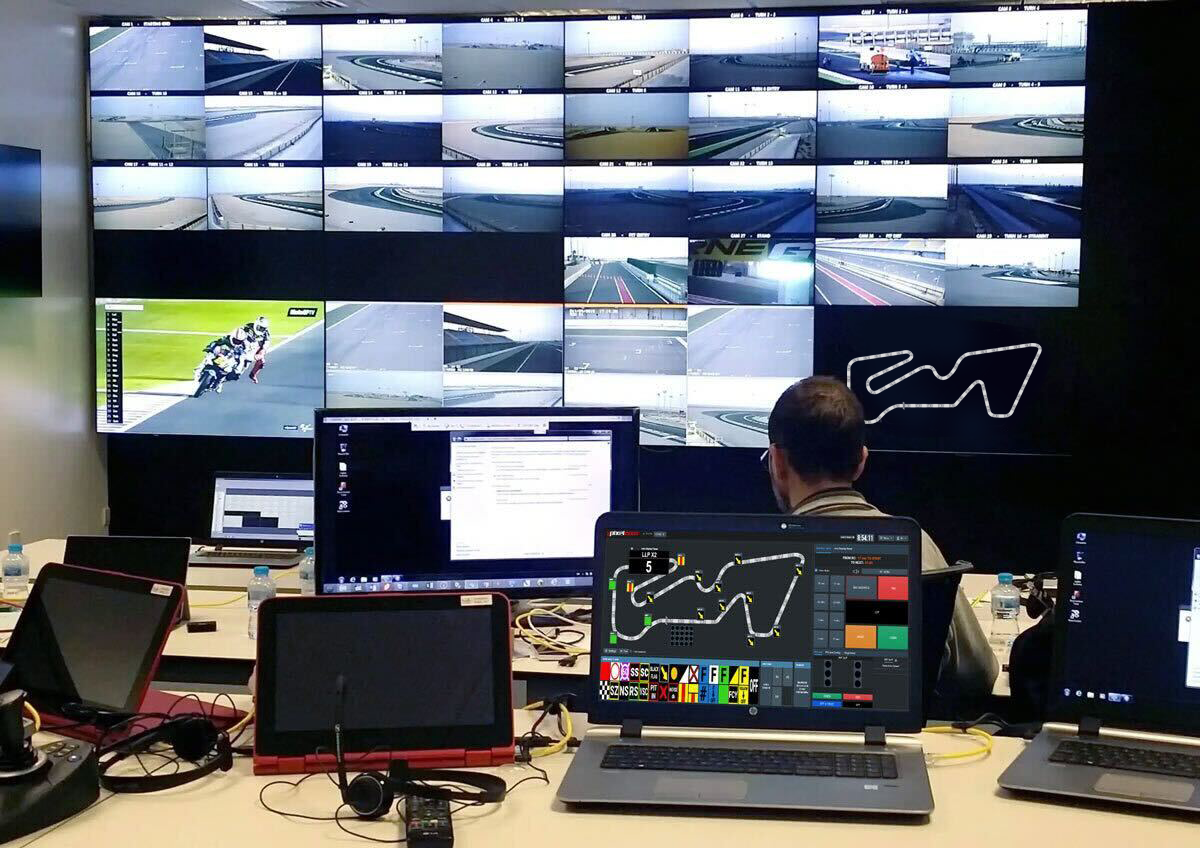
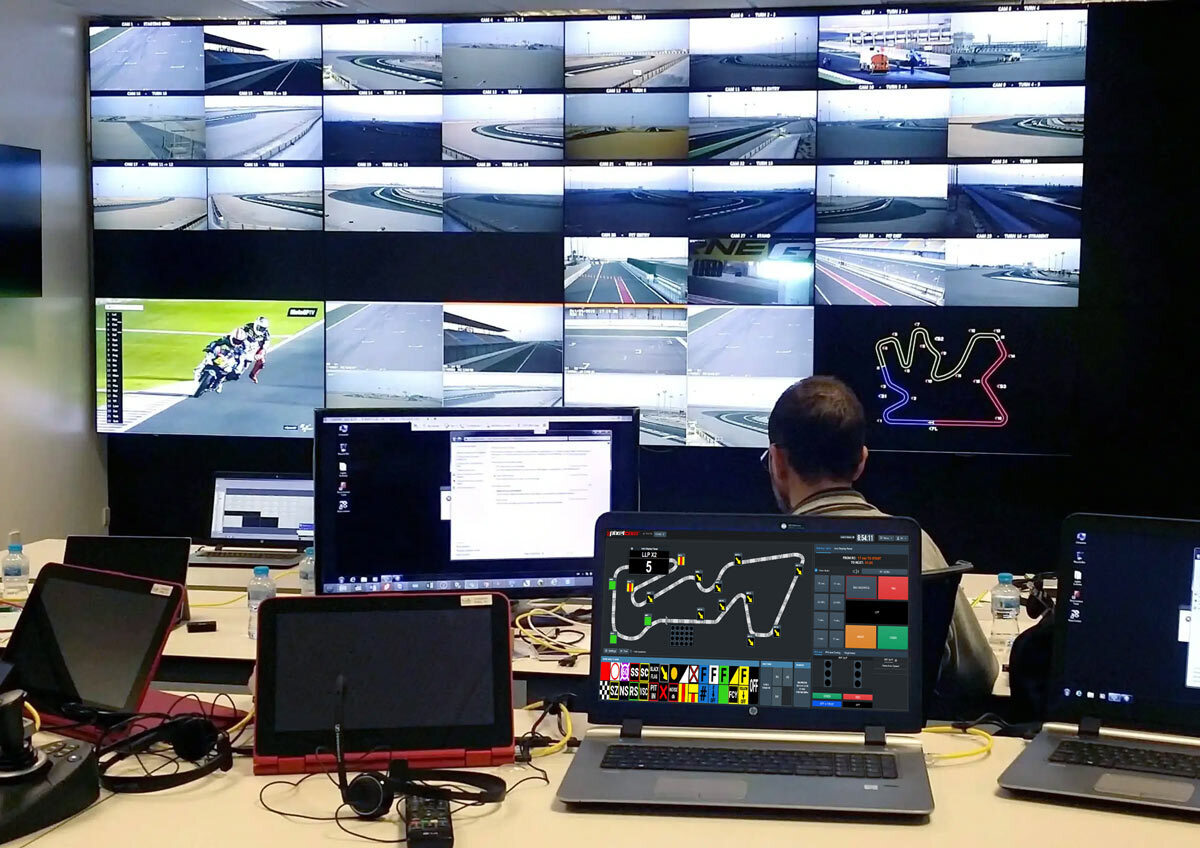
With the PKC (Pixelcom Karting Control) app, operators can apply these criteria on the ground: managing races, alerts and certain speed control functions from their mobile phones whilst moving around the designated areas of the circuit, without relying on a fixed control booth.
Furthermore, it is advisable to document every relevant incident, even if only with a quick note: this helps maintain continuity between shifts and provides context should a complaint arise later.
The result: a circuit that is perceived as safe and professional
Customers value a circuit where they feel that safety is managed proactively and professionally. Having systems in place that enable a rapid response and the implementation of targeted measures when conditions allow can help to reduce incidents, limit unnecessary wear and tear on the fleet, and ensure a smoother experience for participants.
Furthermore, effective management of these situations helps to convey an image of greater operational control and professionalism.
If you wish to improve your team’s responsiveness to this type of situation, you can contact Pixelcom to discuss which remote control system best suits your track’s layout.
Frequently Asked Questions
Does an individual speed reduction affect the other drivers in the heat?
No. The system allows selective intervention on a specific kart, so, when safety conditions permit, it is not necessary to adjust the speed of the other participants.
Do I need someone in the control room to implement the protocol?
Not necessarily. The marshal or track manager can issue the warning or reduce the speed directly from their mobile phone whilst on the circuit itself, provided that safety conditions allow it.
What is the difference between a visual warning and a speed reduction?
A warning is a notification via digital signage or the public address system that does not affect the kart’s driving; a speed reduction does, however, temporarily limit the actual speed of that kart.
Can the speed of a single kart be reduced without affecting the rest?
Yes. The remote control system allows the speed of a specific kart to be adjusted in real time, whilst the rest of the grid continues to race as normal.